Takaichi’s Distant Tribute to Yasukuni Shrine Sparks Diplomatic Friction
Regional neighbours condemn the actions as a failure to atone for wartime atrocities, while Tokyo maintains the visits honour the war dead.
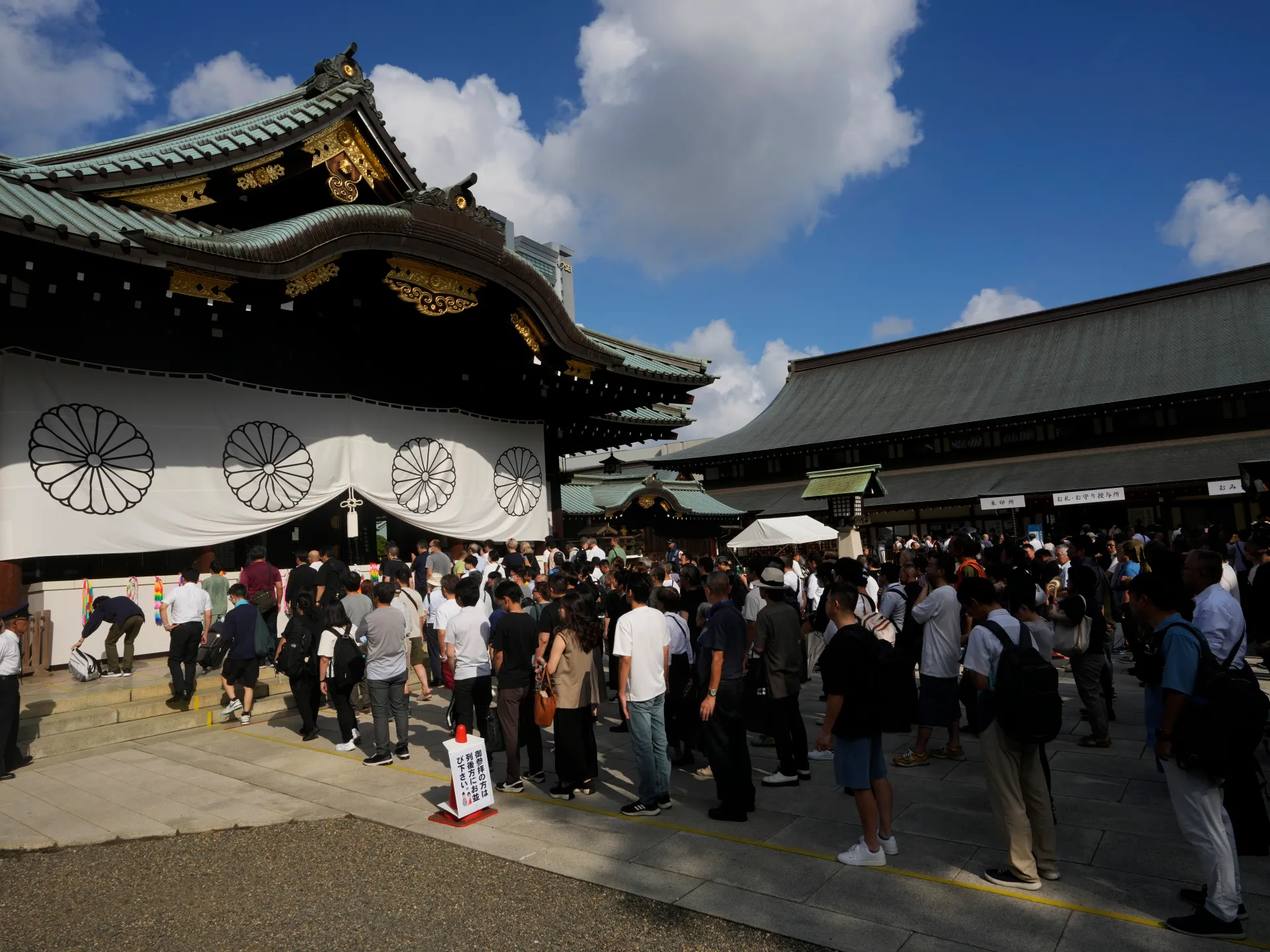
Japanese Prime Minister Sanae Takaichi and Defence Minister Shinjiro Koizumi have drawn strong diplomatic condemnation from China and South Korea following their respective tributes to the Yasukuni Shrine on the 81st anniversary of Japan’s surrender. While Koizumi visited the shrine in Tokyo, Takaichi remained approximately 200 metres away in a car park, performing a ritual bow and offering from a distance. The actions have intensified tensions with neighbouring states that view the site as a symbol of Japan’s unresolved wartime history.
Takaichi, who assumed leadership in October, chose not to enter the shrine, a departure from the direct visits made by predecessors such as Shinzo Abe and Junichiro Koizumi. Local media reported that the Prime Minister stepped out of her vehicle, bowed twice, clapped twice, and bowed again towards the shrine. This approach aligns with her stated objective to secure understanding from allies and regional partners, although she has not explicitly expressed remorse for Japan’s colonial-era atrocities during these tributes.
The controversy centres on the shrine’s enshrinement of approximately 2.5 million war dead, including 14 convicted Class A war criminals added in 1978. China’s Ministry of Foreign Affairs lodged strong protests, stating it strongly condemns both the Prime Minister’s offering and the Defence Minister’s visit. South Korea’s Ministry of Foreign Affairs expressed deep regret, describing the actions as anachronistic and urging Japanese leaders to demonstrate humble reflection and sincere remorse for past actions.
Defence Minister Koizumi defended the visit by reaffirming Japan’s commitment to its postwar path. Speaking to reporters at the site, he stated that alongside the vow to renounce war, he reaffirmed the determination to uphold Japan’s role as a peaceful nation. Some Japanese officials continue to characterise these visits as personal acts of honouring the war dead, distinct from state policy on historical accountability.
The Yasukuni Shrine, established in 1869, commemorates those who died in conflicts including the invasion of Manchuria in 1931 and the Second Sino-Japanese War. Historical grievances regarding forced labour and the sexual enslavement of women during Japan’s colonisation of the Korean peninsula (1910–1945) remain significant points of contention. Relations with China, South Korea, North Korea, and Taiwan remain strained due to these unresolved historical issues, with regional governments viewing official shrine visits as a lack of genuine atonement for wartime atrocities.