Taiz women drive economic shift amid Yemen’s crisis
Sociologists and business leaders in Yemen’s Taiz governorate report a surge in women-led enterprises, challenging conservative norms and reshaping household dynamics.
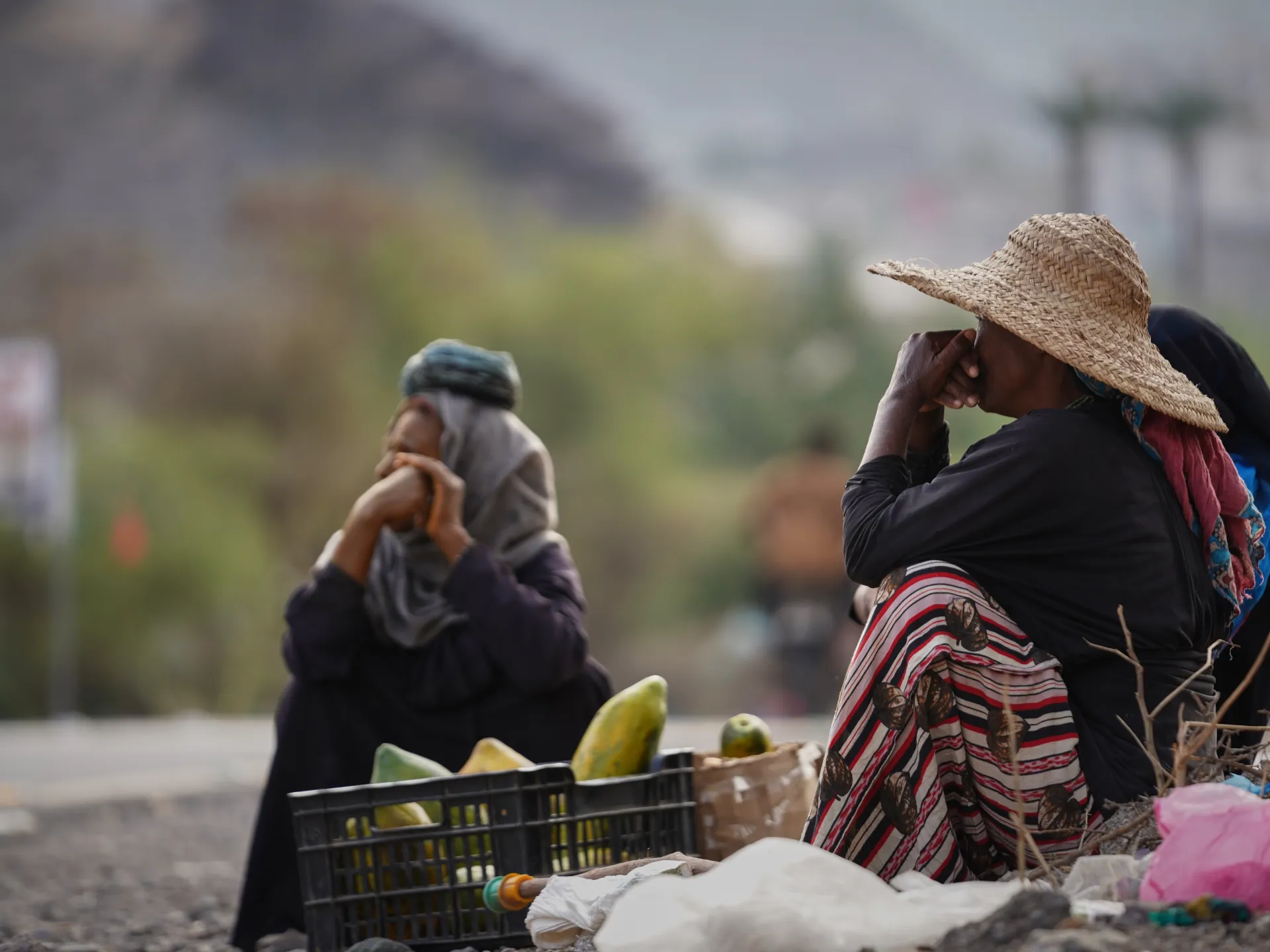
Amid Yemen’s severe economic crisis and high male unemployment, women in the city of Taiz are increasingly launching small businesses to support their families. This shift is challenging traditional gender roles in the conservative city, with women moving from being aid recipients to active economic contributors. A prominent example is Abu Sultan, a fast-food restaurant in Taiz co-owned by Baleegh Al-Doba’ai and his wife Aziza. Sociologists and business leaders note that this trend is improving household living standards and forcing local male business owners to adapt to a changing market landscape.
The couple operates Abu Sultan, serving burgers, fries, pizzas, and fried chicken, a novel concept in Taiz. The couple works side-by-side: Baleegh is the head chef, while Aziza manages daily operations, finances, and hospitality. Aziza helped fund the business and took over management after Baleegh’s initial doubts nearly led him to return to Saudi Arabia, where he previously worked. The restaurant has been open for two months, serving approximately 30 customers daily, with a significant portion of sales coming from deliveries to students.
Customer Muthana Adimi, 36, prefers women-led culinary businesses, citing cleaner food, greater care, and fair pricing. He noted that he usually buys from women-led establishments, believing they bring a homemade quality to commercial dining. Adimi stated that the food is clean, delicious, and fairly priced, adding that there is a responsibility to support these women in their businesses.
Local male business owner Tareq Al-Mallah, 40, reports losing female customers to women-owned shops but acknowledges that business failure is not gender-specific. Al-Mallah, who runs a cleaning supplies and toy store, said he lost many female customers because they prefer buying from women. However, he clarified that the failure of a few businesses does not mean they failed because they are women, noting that some men also fail while others succeed in the marketplace.
Sociologist Natheer Abdulhadi states that women’s income has secured children’s needs in families disrupted by war and elevated women’s status as decision-making partners. Abdulhadi, who has extensive experience teaching entrepreneurship to women, said the growth of women’s enterprises reflects a growing awareness of their ability to produce and contribute to economic development. He emphasised that this shift has fostered a culture of cooperation within households without compromising domestic roles.
Arwa Al-Omari, director of the businesswomen’s unit in Taiz, notes a massive surge in women-led businesses, partly encouraged by humanitarian organisations, though no definitive figures exist. Al-Omari stated that women are no longer passive recipients of humanitarian aid but active partners in sustaining their households. She observed that new businesses are launching every day, allowing women to manage their own shops and deal directly with customers in the local markets.