Taiwan’s AI-driven growth widens wealth gap as ‘K-shaped’ economy takes hold
Rapid expansion in the tech sector has driven record GDP figures, yet experts warn that stagnant wages and rising housing costs are creating a deep divide between industry insiders and the broader population.
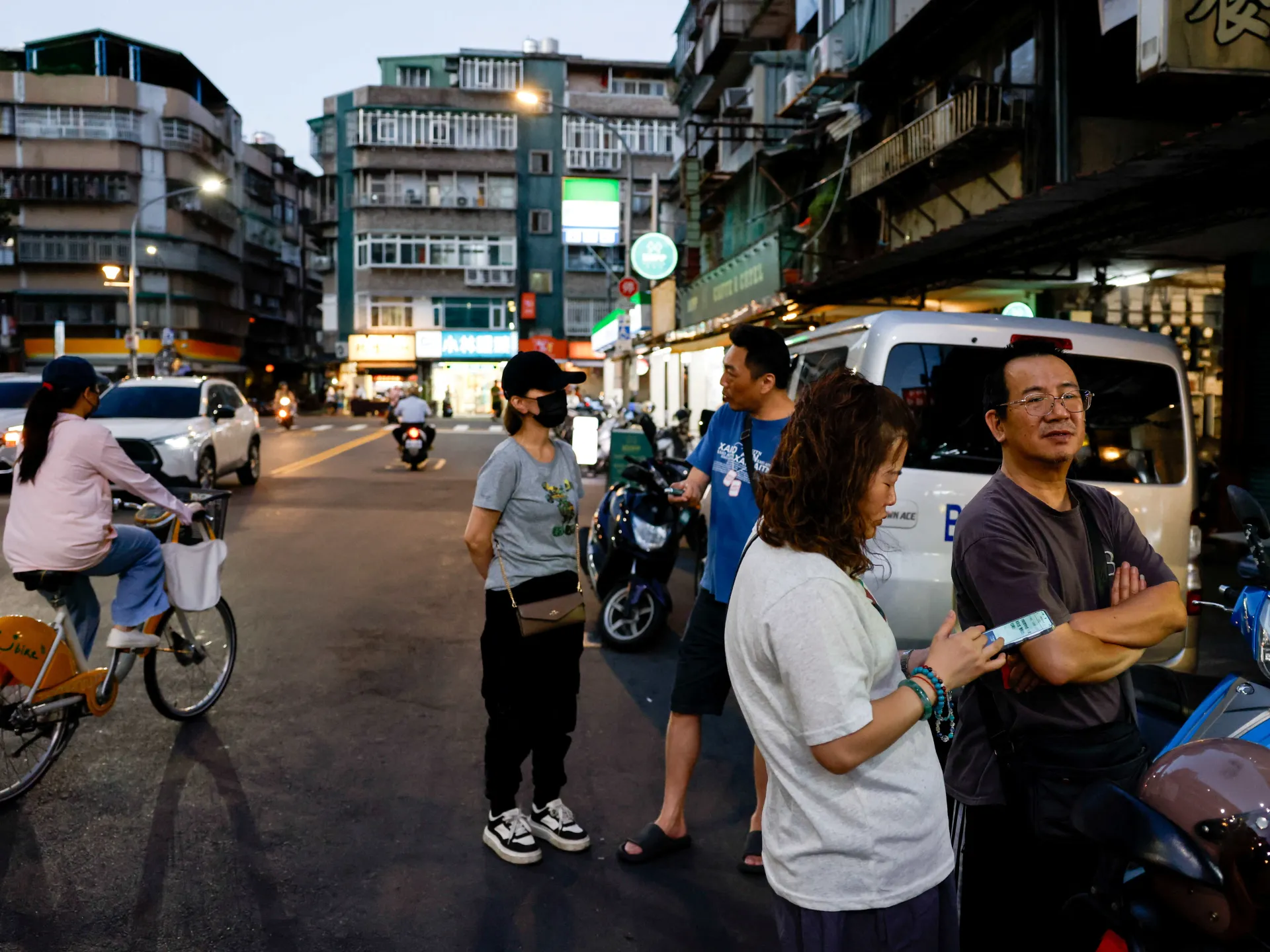
Taiwan’s economy has recorded explosive growth in recent months, with gross domestic product rising 8.63 per cent in 2025 and expanding a further 13.69 per cent in the first quarter of 2026. This expansion is largely attributable to the global artificial intelligence boom, which has driven a 34.9 per cent surge in exports to $640.7 billion last year. More than two-thirds of these exports are tech-related goods and services, with semiconductors alone accounting for over 20 per cent of the island’s GDP.
Despite these headline figures, officials and economists are raising alarms about the uneven distribution of this wealth. Taiwan’s Central Bank Governor Yang Chin-lung has described the emerging dynamic as a “K-shaped economy,” where the technology sector thrives while other industries stagnate. The semiconductor industry, dominated by Taiwan Semiconductor Manufacturing Company (TSMC), employs only 300,000 people within a total workforce of 11 million. Consequently, the benefits of the AI windfall are concentrated in a narrow segment of the labour market, leaving the majority of workers outside the tech sphere with limited gains.
The disparity is evident in wage data released by the Directorate-General of Budget, Accounting and Statistics. While real average wages grew by 1.4 per cent in 2025, the median wage rose by only 1.35 per cent. The distortion is significant, with 70 per cent of earners making less than the average salary, a statistic driven by the high compensation packages in the tech sector where pay is nearly double the national average. Alicia Garcia Herrero, chief economist for Asia Pacific at Natixis, warned that the current model risks creating a “dual society” where talent and funding are siphoned away from other industries.
Non-tech sectors face additional structural headwinds, including trade barriers that do not affect their competitors. Chao-Hsi Huang, associate dean at the Taipei School of Economics, noted that traditional manufacturing exporters suffer from higher tariffs than counterparts in Korea, Japan, or Southeast Asia, largely because Taiwan cannot sign free trade agreements. These external pressures, combined with a weak currency that has eroded consumer purchasing power, have left many in the service sector, which employs approximately seven million people, struggling against rising living costs.
The financial anxiety among the general population is reflected in recent data from Academia Sinica. A survey of 1,195 respondents found that 40 per cent felt “anxious” or “very anxious” about household finances, particularly regarding housing affordability. While the Taiwan Stock Exchange has doubled in value to $2.2 trillion between 2019 and 2025, attracting 13.77 million trading accounts, this market growth has not translated into broad-based prosperity. The island’s Gini coefficient, a measure of wealth inequality, has risen from 0.308 in 1980 to 0.341 in 2024, underscoring the deepening divide between asset holders and ordinary workers.