Taiwan voices concern over US pause on $14bn arms package
Officials on the island warn that a reported hold on military hardware could weaken defences and undermine confidence in US support.
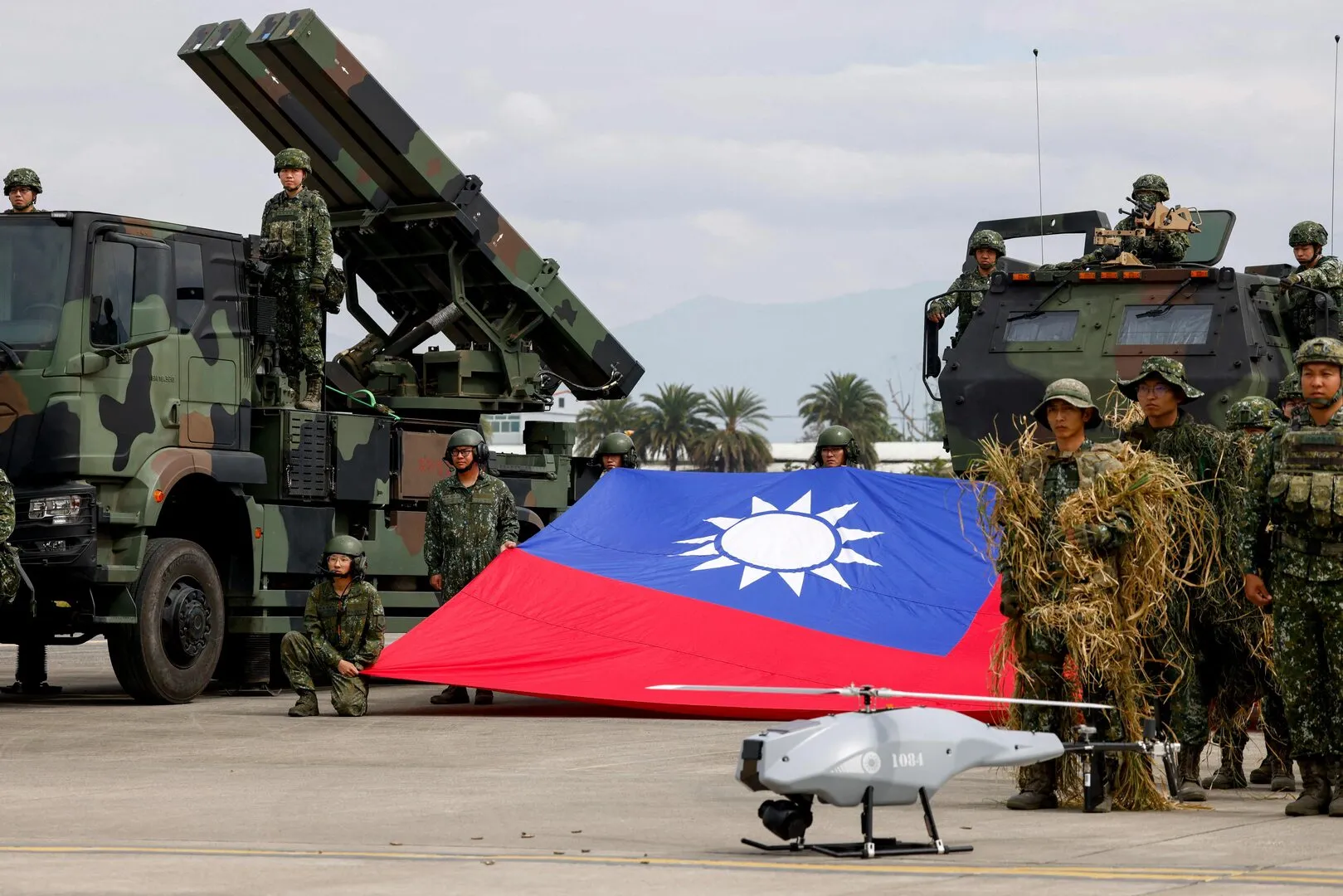
Taiwanese authorities have expressed significant concern regarding a reported pause by the United States on a $14 billion arms package, a development that has sparked anxiety over the reliability of Washington’s security commitments. According to reporting by Al Jazeera, the delay has prompted fears that the interruption could weaken the island’s defensive capabilities at a critical time.
The core of the issue centres on a pause in the delivery or approval of the military hardware, rather than a complete cancellation of the deal. Taiwanese officials have cited this uncertainty as a potential vulnerability, suggesting that the hold on the package may have tangible implications for the region’s strategic balance and the island’s ability to maintain its deterrence posture.
This reported delay has shaken confidence in the consistency of US support, a factor that remains central to Taiwan’s security strategy. The anxiety stems not only from the immediate gap in equipment but also from the broader institutional signals such pauses may send regarding the durability of the trans-Pacific security relationship amidst evolving geopolitical tensions.
While the specific nature of the pause remains undefined in available reports, the reaction from Taipei underscores the high stakes attached to the timely implementation of military aid. The uncertainty surrounding the timeline for resolution and the exact status of the $14 billion figure leaves the island navigating a period of strategic ambiguity without clear guidance on when the agreed-upon support will be fully realised.
The situation highlights the ongoing sensitivity surrounding US-Taiwan defence relations, where administrative or political holds on arms sales are viewed through the lens of immediate security needs. As the pause continues, the focus remains on how such institutional delays impact the perceived stability of the security architecture that Taiwan relies upon.