Bolivia President Paz faces resignation demands as unrest tightens around capital
Six months into his term, Rodrigo Paz confronts a coalition of Indigenous and working-class groups accusing him of betraying his electoral mandate, while the government rules out a state of emergency but establishes humanitarian corridors.
Bolivian President Rodrigo Paz is confronting intensified calls for his resignation as social unrest spirals into a broader political conflict. Just six months after taking office, Paz faces highway blockades and barricades surrounding the capital, La Paz, driven by a convergence of sector-specific grievances that have evolved into a demand for his departure. The crisis, which began with disputes over wages, contaminated fuel, and land classification laws, has been amplified by former President Evo Morales, who has mobilised supporters to march on the seat of government.
The unrest originated from distinct sectoral demands, including complaints about contaminated fuel damaging vehicles and opposition to a land law critics argued favoured big business. While the government conceded on some points by repealing the land law and offering compensation, Indigenous groups from the highlands escalated the protests by blocking roads. Hundreds of demonstrators erected barricades around La Paz and El Alto, securing the support of the Central Obrera Boliviana, which has historically exerted significant pressure on government decision-making.
Political analysts suggest the unrest reflects deeper discontent among Indigenous and working-class sectors who feel excluded from the current administration. Paz, a centrist senator who rose to power largely thanks to former Movement for Socialism (MAS) voters, has faced accusations of a strategic shift away from his campaign promises. Critics point to his elimination of a tax on large fortunes, appointment of business elites to his cabinet, and alignment with the United States and Israel as evidence of a betrayal of the popular sectors that elected him.
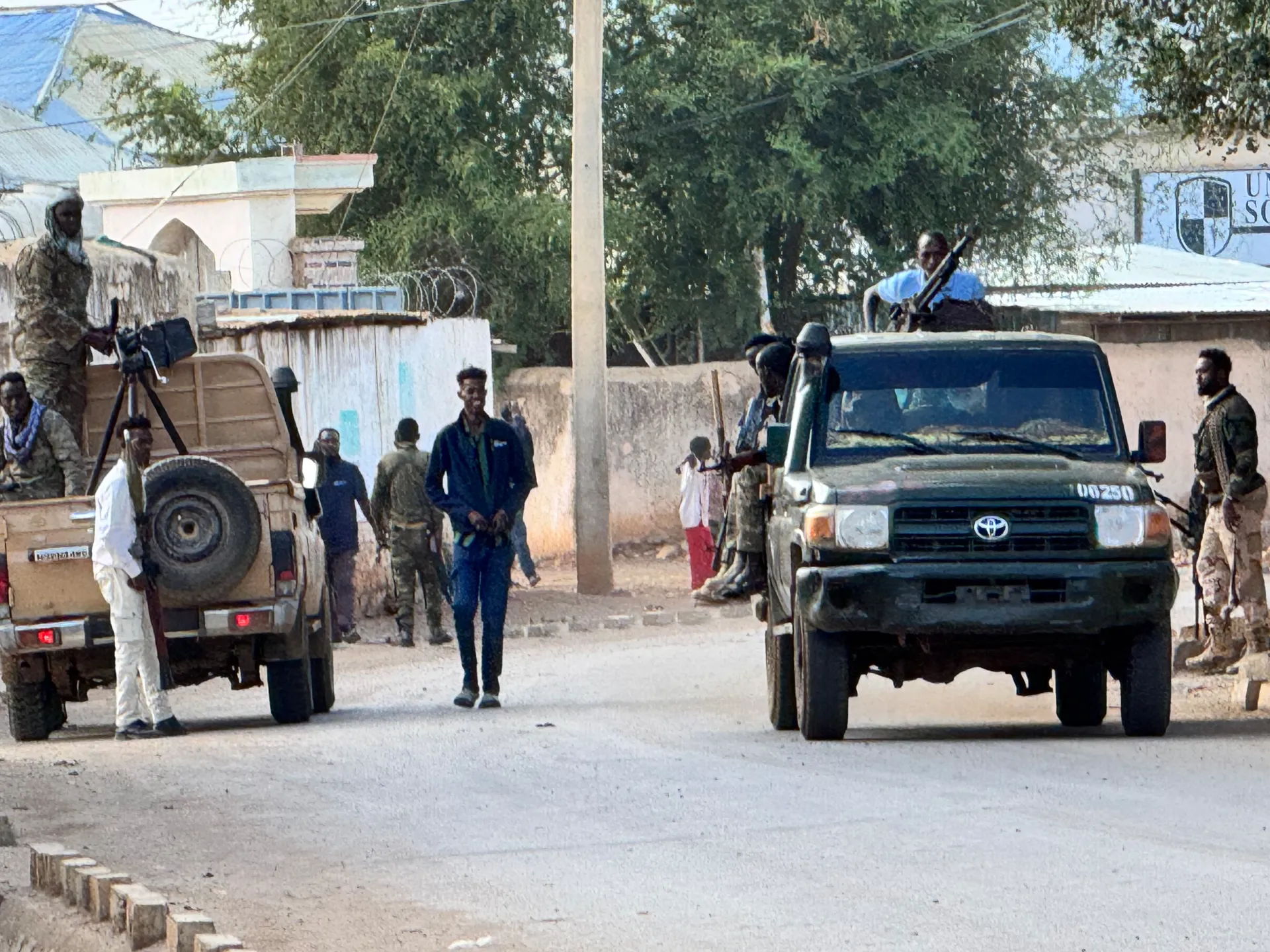
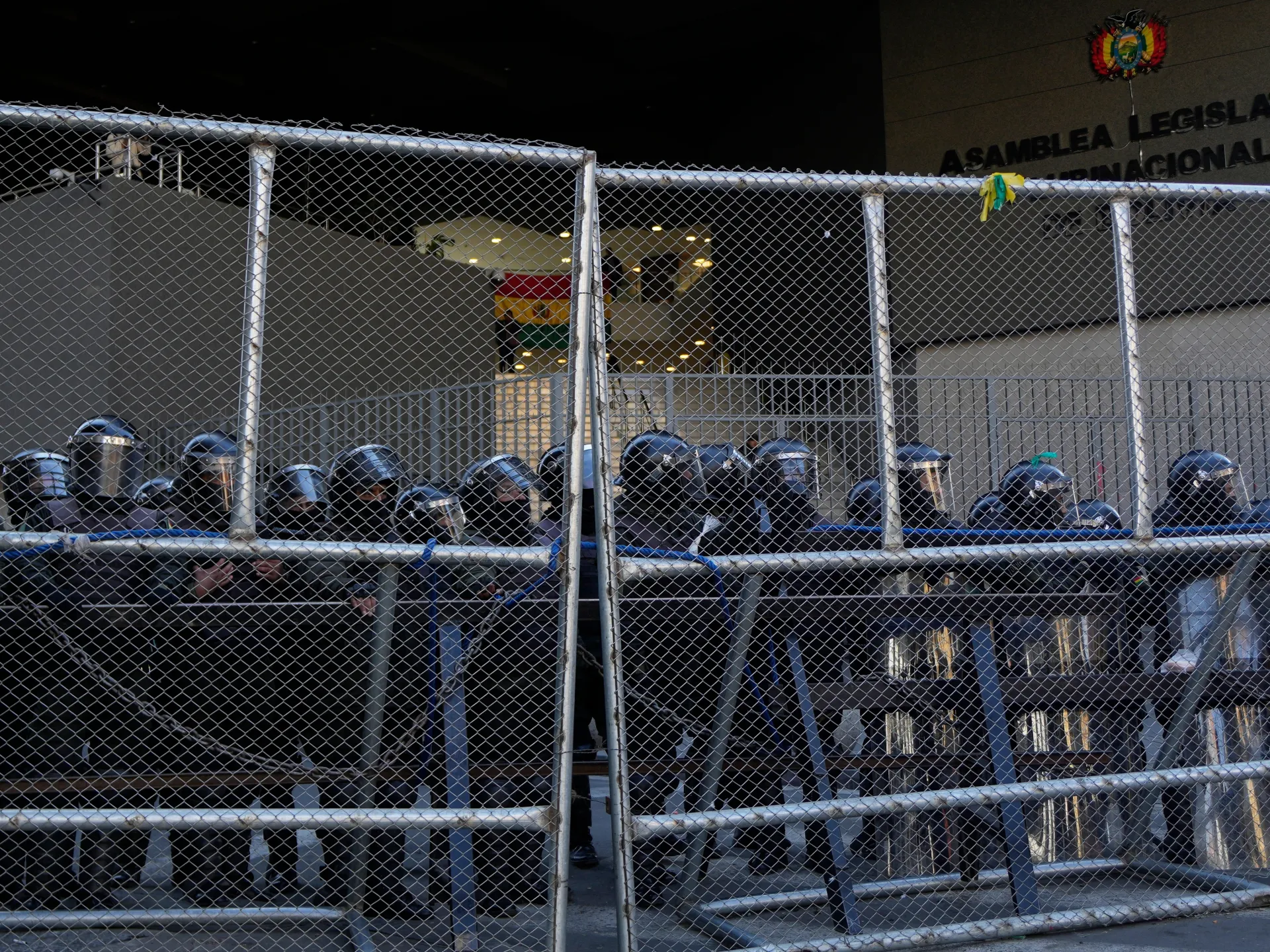
Tensions have intensified with clashes between miners armed with explosives and police in La Paz, resulting in over 120 detentions and at least 11 injuries. The government has ruled out declaring a state of emergency but has ordered police to establish humanitarian corridors to allow food and medicine to reach the capital. Presidential officials have accused Morales of orchestrating a plan to destabilise the government, alleging without evidence that the protests are financed by drug trafficking.
Morales, who faces an arrest warrant for alleged abuse during his presidency, has criticised the current administration for protecting business elites while ordinary citizens endure hunger. In response to the escalating crisis, government ministers have indicated a willingness to cede some power, with proposals to create a ministry that includes participation from social organisations. As the country navigates this period of instability, authorities are attempting to balance dialogue with legitimate demands against the full force of the law regarding attacks on democracy.