Taiwan sovereignty claim follows Trump-Xi summit as arms sales take centre stage
Taiwan’s foreign ministry asserts independence status after President Xi warns of conflict risks, while US stock markets react positively to trade and AI developments.
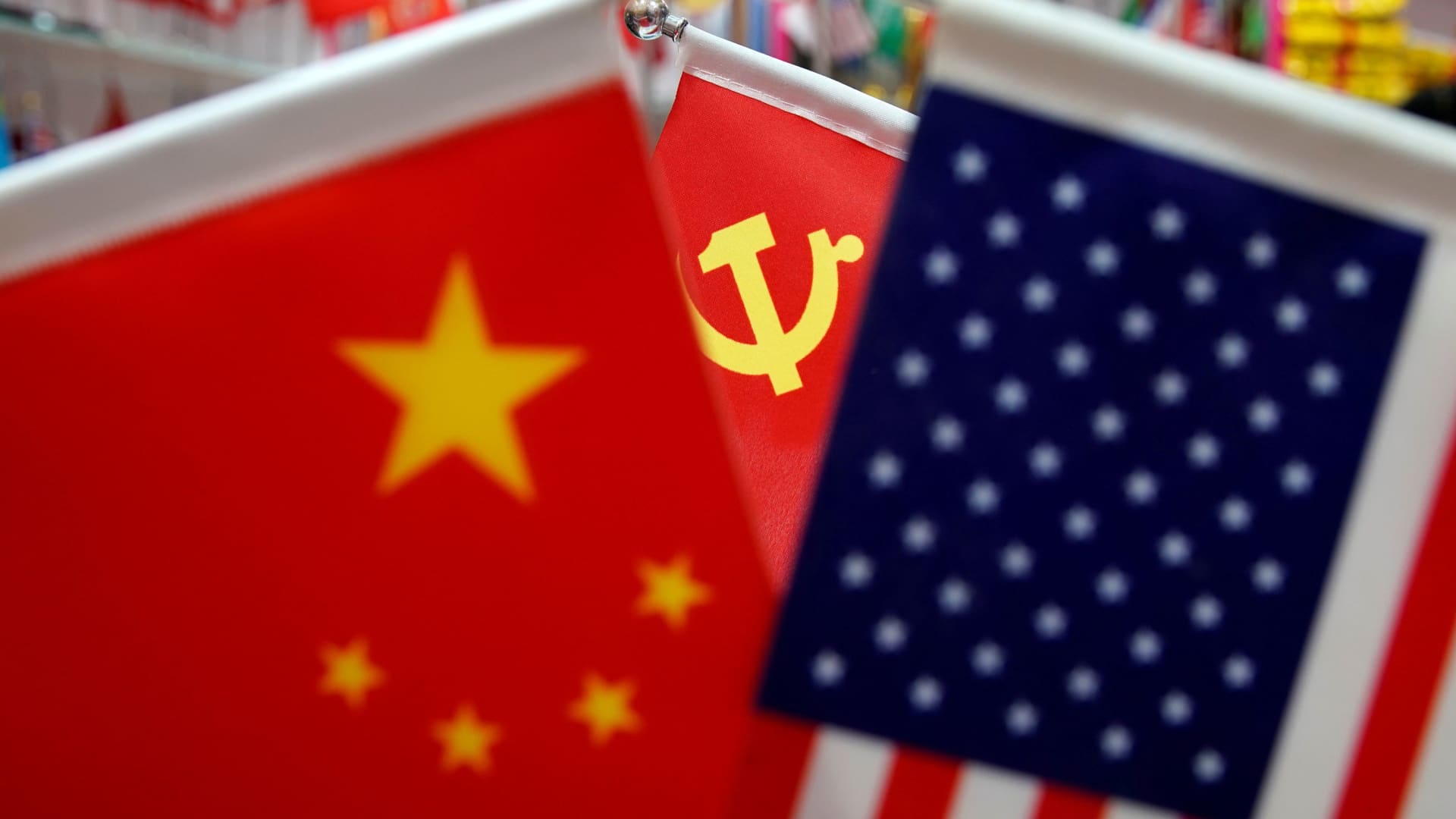
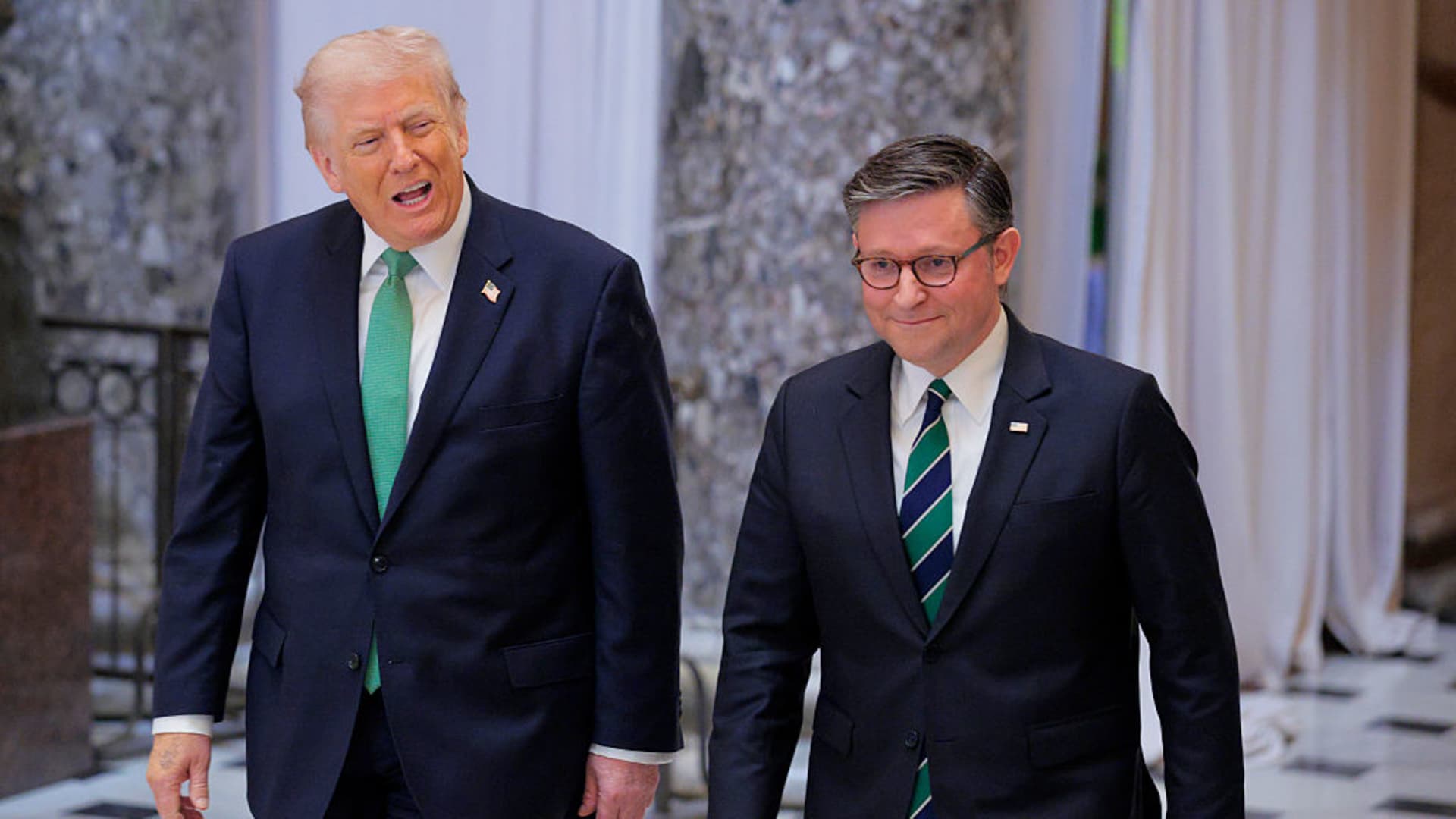
U.S. President Donald Trump and Chinese President Xi Jinping concluded a two-day summit in Beijing on Friday, with arms sales to Taiwan emerging as a defining issue in the discussions. President Trump had previously indicated that the topic would be on the agenda, underscoring the sensitivity of the strategic relationship between Washington and Beijing.
The diplomatic engagement occurred amidst a positive reaction from global markets. On Thursday, as the summit began, U.S. stock markets rose, with the Dow Jones Industrial Average gaining 0.8 per cent, the S&P 500 rising 0.3 per cent, and the Nasdaq Composite climbing 0.2 per cent. Nvidia shares surged more than 2 per cent following news that the U.S. approved H200 chip sales to Chinese firms, reflecting investor optimism surrounding technology trade.
President Xi warned President Trump that missteps on the Taiwan issue could push the two nations into conflict. This warning came as President Trump advised against a formal independence declaration following the summit. The remarks highlight the persistent geopolitical tensions that the leaders addressed alongside trade, artificial intelligence, and tensions regarding Iran.
In response to the political climate, Taiwan’s foreign ministry issued a statement on Saturday asserting that the island is a “sovereign and independent democratic nation” and is not subordinate to the People’s Republic of China. The declaration follows warnings from President Trump and underscores the island’s stance, with President Lai Ching-te considering the island already independent.
Under U.S. law, Washington is required to provide weapons to Taiwan for its defence, though ambiguity remains regarding whether U.S. forces would intervene militarily in the event of an attack. While the summit yielded few resolutions to persistent trade and geopolitical tensions, the specific outcomes regarding the proposed arms sales were not detailed in the source material.