Chalmers defends tax policy as Labor holds Stafford in byelection
Federal Treasurer Jim Chalmers has dismissed the Coalition’s plan to index tax brackets as a $250 billion liability, while Queensland Labor maintains its lead in the Stafford byelection despite a significant swing.
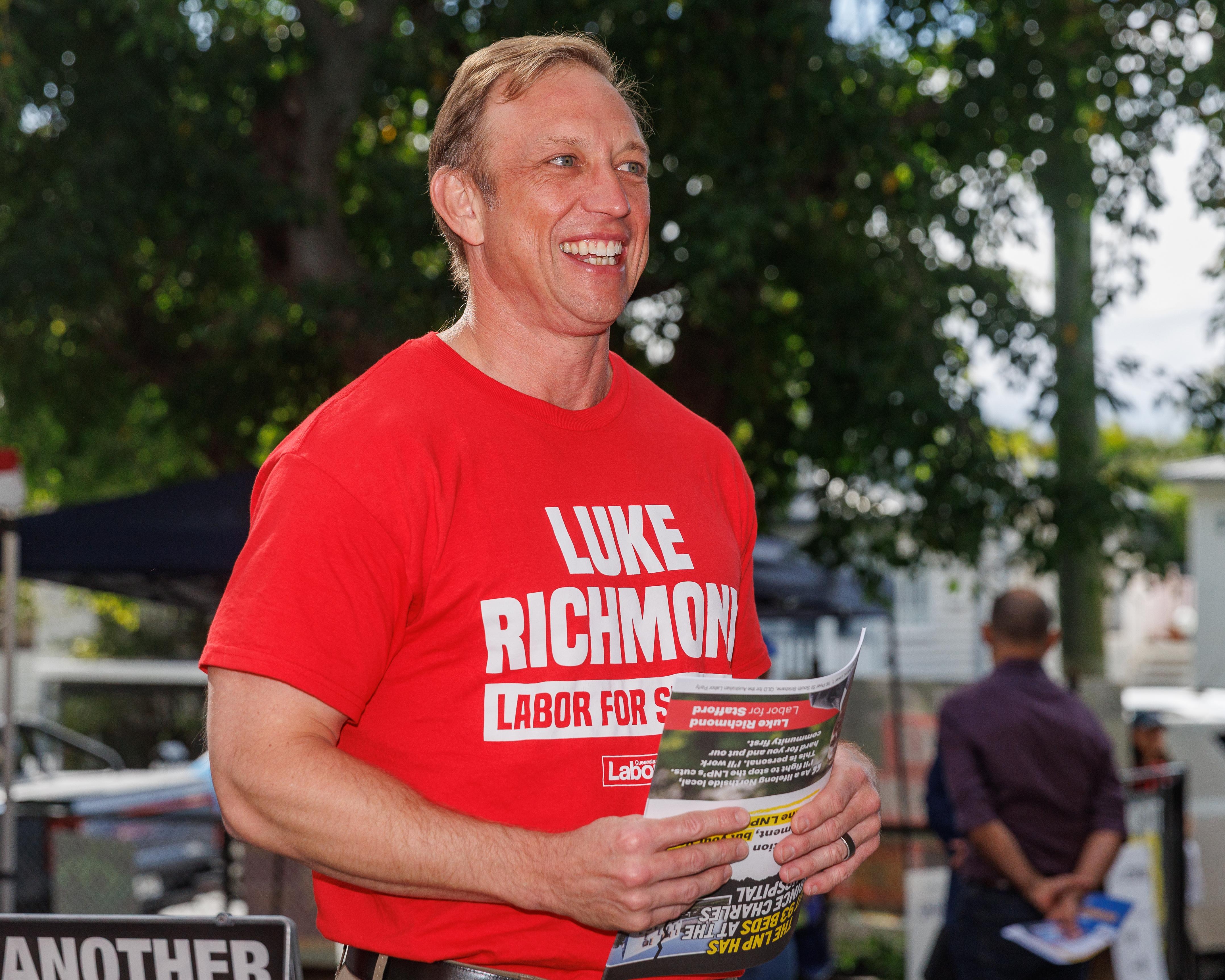
Queensland Labor has retained its lead in the Stafford byeelection following a substantial swing, according to live coverage on 17 May 2026. The result underscores the party’s resilience in the seat, even as federal Treasurer Jim Chalmers faces intensifying scrutiny over the government’s approach to tax policy and bracket creep.
Speaking on the ABC’s Insiders program, Chalmers defended the government’s strategy of returning bracket creep to taxpayers in a manner he described as responsible and affordable. He argued that the opposition’s proposal to fully index tax brackets would impose a $250 billion cost on the budget over a decade. Chalmers further warned that such unfunded tax announcements would generate tens of billions of dollars in additional debt interest.
The Treasurer attributed the Coalition’s policy stance to political necessity rather than fiscal prudence. Chalmers suggested that the opposition’s unfunded tax promises were designed to stave off support for the One Nation party. He maintained that the government is committed to addressing bracket creep, defined as the phenomenon where inflation and wage rises push taxpayers into higher tax brackets, thereby increasing liability while the cost of goods also rises.
Opposition figures, including Angus Taylor, have accused Labor of betraying taxpayers by not fully returning the accrued bracket creep. Taylor contended that the high cost figure cited by Chalmers represents revenue the government is retaining and spending annually, rather than a cost of returning funds to taxpayers. During the interview, host David Speers pressed Chalmers on whether the government is returning all accrued bracket creep, a question the Treasurer skirted by reiterating the responsible nature of the current policy.
The political tension coincides with the ongoing Stafford byelection, where live coverage indicates Labor remains ahead despite the significant swing. The juxtaposition of the byelection results and the federal tax debate highlights the challenging environment for the Labor government as it balances fiscal responsibility with political pressure from both the Coalition and minor parties.