Warsh faces Fed resistance as inflation and yields stall rate cut hopes
Spiking inflation and surging Treasury yields have left the Federal Open Market Committee in no mood to cut rates, creating a significant rift within the central bank.
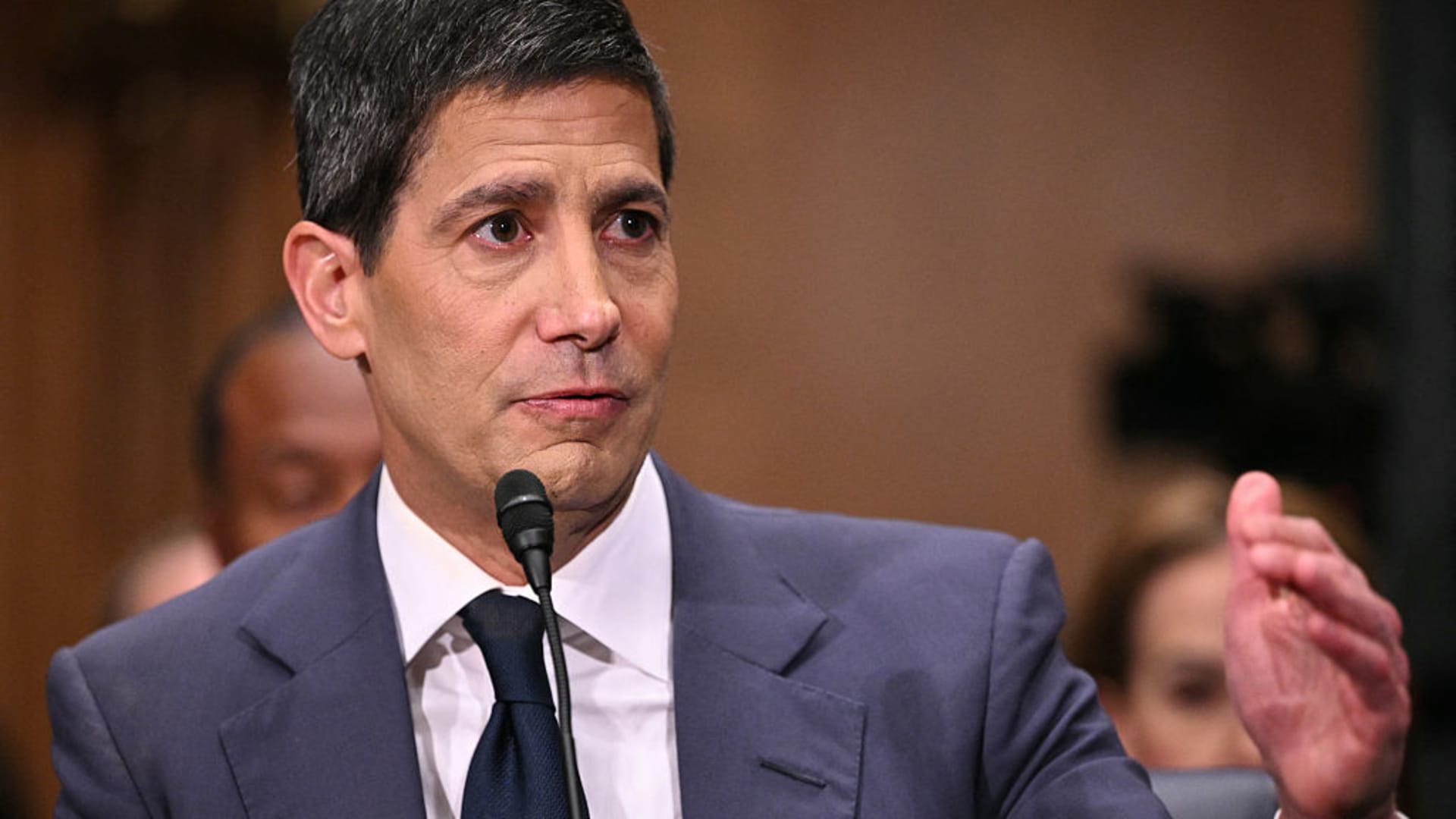
Kevin Warsh is set to confront a Federal Open Market Committee that is currently resistant to easing monetary policy, marking a significant internal divergence within the US central bank. According to reports from CNBC, Warsh faces what has been described as a substantial "family fight" regarding the direction of interest rates, with the committee showing little appetite for cuts at this juncture.
The primary drivers of this resistance are recent spikes in inflation and surging Treasury yields. These macroeconomic pressures have hardened the stance of many FOMC members, who are wary of loosening policy while price stability remains uncertain. Warsh’s position appears to be at odds with this prevailing sentiment, highlighting a sharp split in strategy over how to navigate the current economic landscape.
This internal dispute occurs against a backdrop of broader market activity and geopolitical developments. US stock markets rose on Thursday as President Donald Trump and Chinese President Xi Jinping commenced a two-day summit in Beijing. The Dow Jones Industrial Average gained 0.8 per cent, the S&P 500 rose 0.3 per cent, and the Nasdaq Composite climbed 0.2 per cent during the opening day of the talks.
Corporate markets also reflected positive sentiment, with Nvidia shares surging more than 2 per cent following news that the US approved H200 chip sales to Chinese firms. The summit agenda covers critical areas including trade, artificial intelligence, and tensions in the Strait of Hormuz, adding another layer of complexity to the global economic environment in which the Fed operates.
Despite the positive equity market movements, the fundamental data regarding inflation and bond yields continues to dominate the policy debate. The lack of quantified data on the severity of the inflation spike and yield surge means the exact magnitude of the economic challenge remains unclear, but the directional trend is sufficient to stall any immediate rate reductions.
Warsh’s expected confrontation with the FOMC underscores the difficulty of achieving consensus in a divided committee. With inflation data trending upward and Treasury yields rising, the path to a rate cut appears blocked by the current economic realities, regardless of the diplomatic progress being made in Beijing.