Taiwan reaffirms sovereignty as Trump signals arms deal decision
Washington maintains policy stance while Beijing escalates military pressure on the self-governing island.
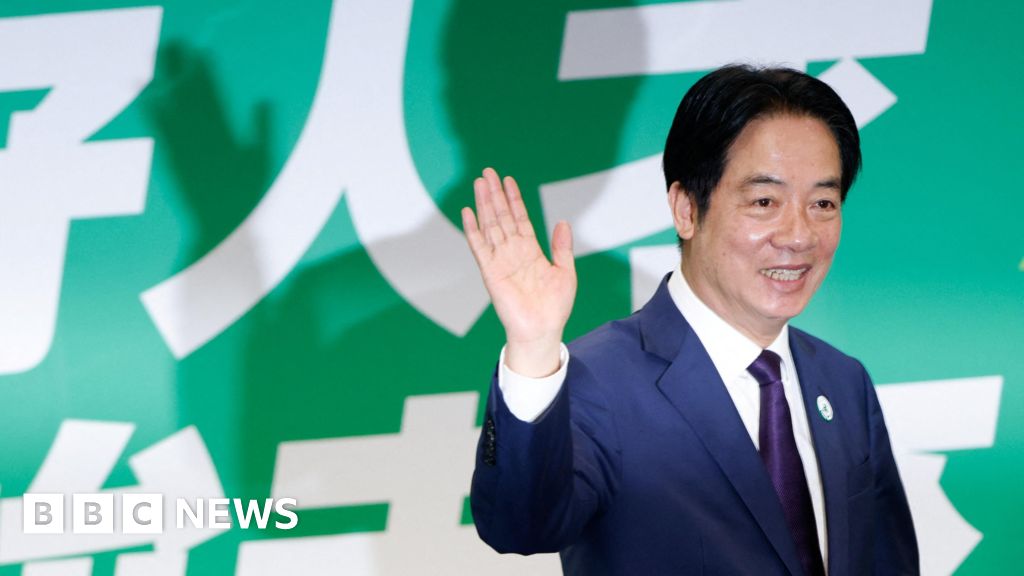
Taiwan has reiterated its status as a sovereign, independent nation following a caution from US President Donald Trump against a formal declaration of independence from China. The remarks came in the wake of a two-day summit in Beijing between President Trump and Chinese President Xi Jinping, where the US leader stated he had made no prior commitments regarding the political status of the self-governing island.
During the summit, President Trump indicated that a decision on an $11 billion weapons package for Taiwan would be made soon. He clarified that the United States was bound by law to provide the island with means of self-defence, a requirement that has historically required Washington to balance its alliance with Taiwan against its diplomatic relations with Beijing.
Taiwanese presidential spokesperson Karen Kuo described the island's sovereignty as "self-evident," stating it was a "sovereign, independent democratic country." However, she affirmed that Taiwan remained committed to maintaining the status quo, meaning it would neither declare formal independence nor seek unification with China. This position aligns with previous statements by Taiwanese President Lai Ching-te, who has argued that a formal declaration is unnecessary as the island already views itself as a sovereign state.
President Trump reiterated that US policy on Taiwan had not changed, while expressing a clear desire to avoid conflict with Beijing. Speaking after his meetings with President Xi, he noted that the Chinese leader opposed any movement for independence and stated he did not wish to travel 9,500 miles to fight a war. "I want them to cool down. I want China to cool down," Trump said, declining to discuss whether the United States would militarily defend the island.
Tensions in the region have been heightened by Beijing’s description of President Lai as a "troublemaker" and a "destroyer of cross-strait peace," accompanied by increased military drills around the island. While the United States does not maintain formal diplomatic relations with Taiwan, it sustains substantial unofficial ties. President Trump indicated he would speak with the current leader of Taiwan regarding the arms package, a move that deviates from the tradition of US presidents not speaking directly to Taiwan’s leader, which could provoke significant tension with Beijing.
Taiwan’s presidential spokesman expressed gratitude for President Trump’s continued support for security in the Taiwan Strait. The spokesperson stated that Taiwan would continue to deepen cooperation with the United States to achieve peace through strength, ensuring that stability across the strait is not undermined, which serves the common interests of Taiwan, the US, and the global democratic community.