Streeting launches leadership bid as Labour turmoil deepens
Internal dissent and electoral setbacks fuel a leadership challenge within the UK’s governing party, with multiple contenders positioning themselves for a contest that would determine the next prime minister.
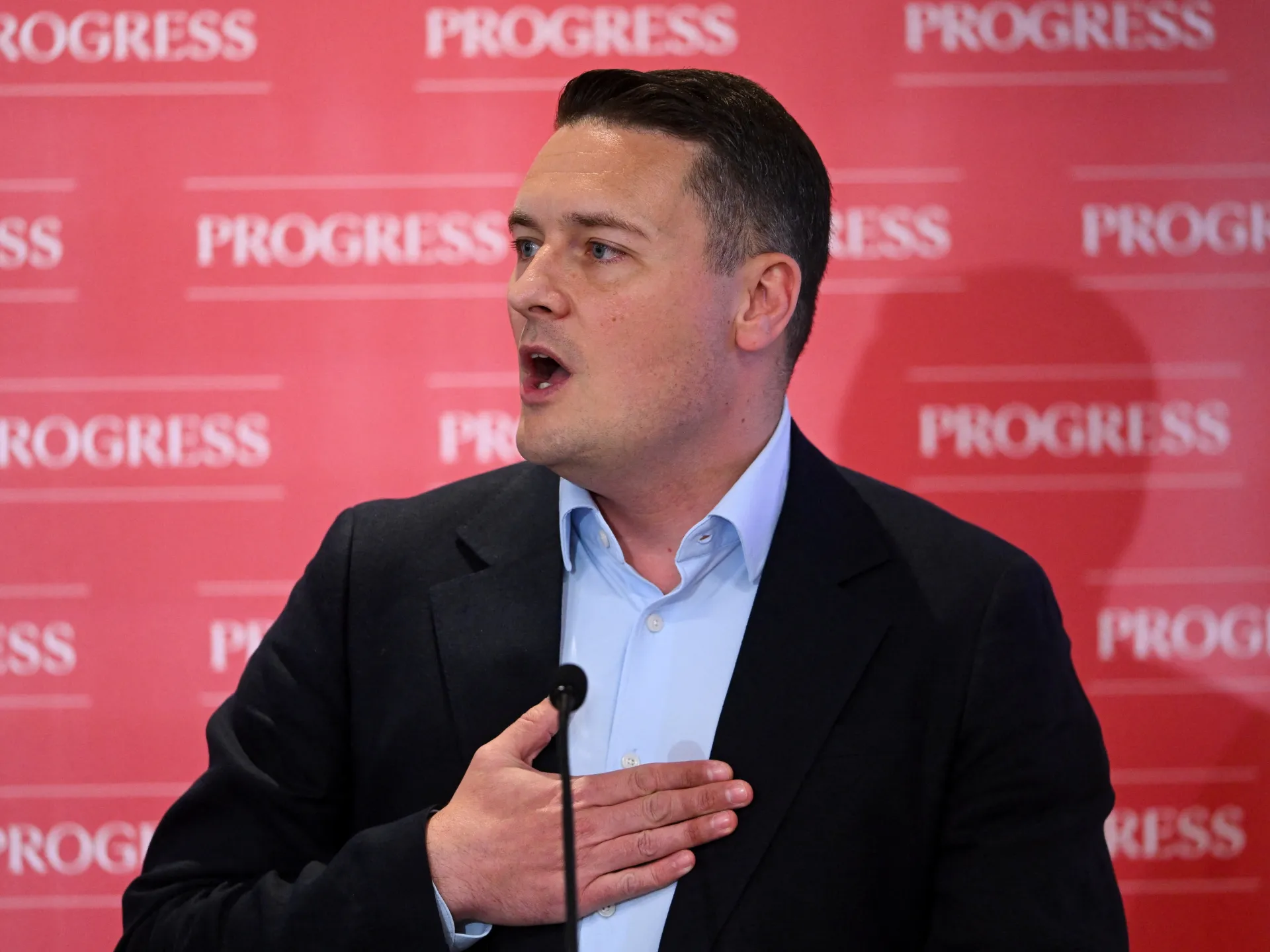
Wes Streeting, the former British health secretary who resigned from the government earlier this week, has confirmed he will run to replace Prime Minister Keir Starmer as leader of the Labour Party. Streeting’s announcement, made at a Progress group gathering in London on Saturday, signals a significant escalation in internal party dissent following disastrous local election results that have placed Starmer’s administration under intense scrutiny.
Streeting urged Starmer to establish a clear timetable for his departure, criticising the current government’s governance as lacking direction. Speaking to supporters, the former health secretary described the administration as having arrived in office underprepared and devoid of a clear vision. His resignation on Thursday cited a fundamental loss of confidence in Starmer’s leadership, which he previously characterised as heavy-handed and stifling to policy innovation.
The former minister threw his support behind Greater Manchester mayor Andy Burnham, identifying him as the strongest candidate to win the leadership contest. Streeting argued that electoral viability must take precedence over factional interests, stating that Burnham represents the best chance for the party to succeed. This endorsement places Burnham as a primary contender, though he must first secure a seat in parliament to qualify for the challenge.
Burnham is currently seeking election to parliament via a by-election in Makerfield, a move facilitated by the resignation of sitting MP Josh Simons. The Labour Party has agreed to allow Burnham to stand, with the by-election scheduled for next month at the earliest. Should Burnham win the seat, he will need to secure the support of 81 Labour MPs, representing 20 percent of the party in parliament, to formally trigger a leadership challenge.
Other potential challengers are also advancing their positions. Former deputy leader Angela Rayner has cleared a significant hurdle after tax authorities cleared her of wrongdoing following an investigation into her tax affairs. Meanwhile, pressure on Starmer continues to mount, with more than 80 MPs calling for his resignation and four junior ministers having already stepped down. The winner of the leadership contest will automatically become prime minister, given Labour’s large majority in parliament.