Taiwan asserts sovereignty amid US arms sales scrutiny following Beijing summit
Diplomatic tensions rise after US president warns against formal independence declaration, while Taipei insists arms transfers remain a legal security commitment under the Taiwan Relations Act.
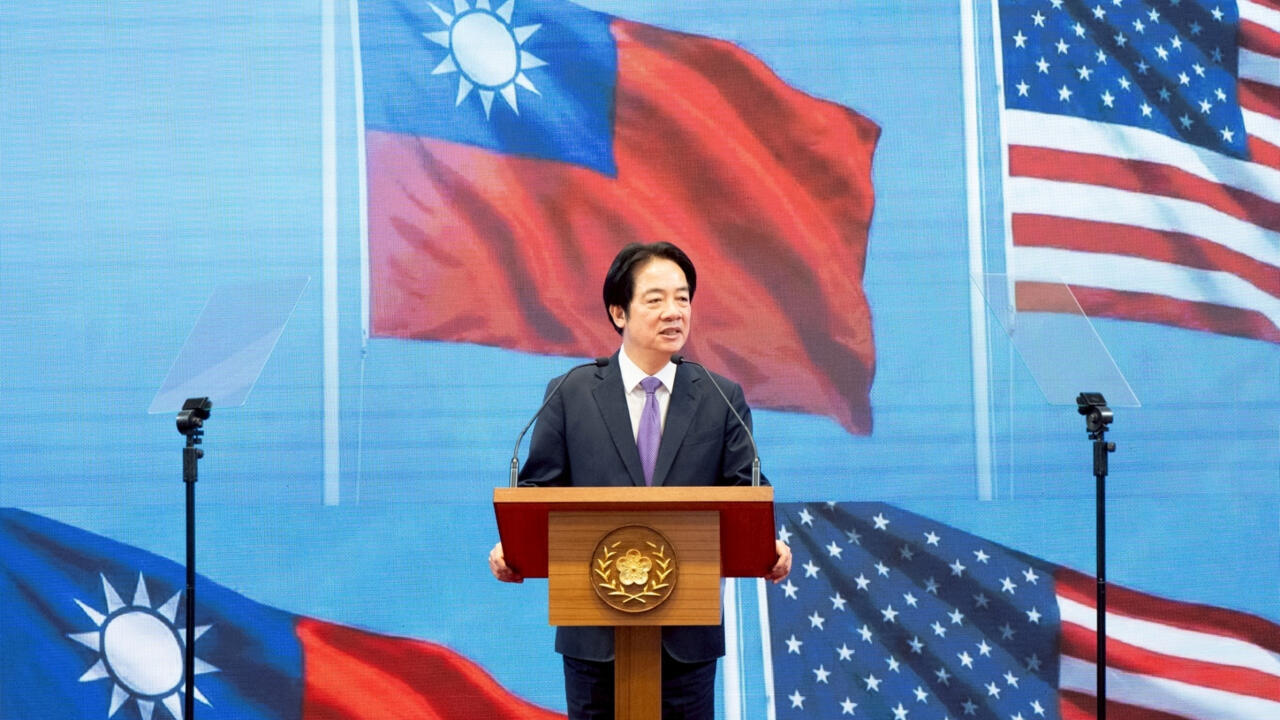
Taiwan’s foreign ministry issued a statement on Saturday asserting that the island is a “sovereign and independent democratic nation” and is not subordinate to the People’s Republic of China. The declaration came in direct response to warnings from US President Donald Trump, who advised against a formal independence declaration following his recent summit with Chinese President Xi Jinping in Beijing.
The diplomatic friction intensified after Trump told Fox News host Brett Baier that he opposes Taiwanese independence and questioned the logic of US military intervention. “I’m not looking to have somebody go independent... We’re not looking to have wars,” Trump said, adding that he wants both sides to “cool down” and suggesting that maintaining the status quo would be acceptable to China.
In response, Taiwan’s foreign ministry emphasised that US arms sales constitute a formal security commitment under the Taiwan Relations Act. Deputy Foreign Minister Chen Ming-chi described these transfers as a “cornerstone of regional peace and stability” and a form of joint deterrence against regional threats. Chen confirmed that while a record $11 billion package was approved in December, a second package worth approximately $14 billion remains pending approval.
Chen declined to comment on the status of the $14 billion package, noting it has not yet been made public, but stated that Taiwan will continue to engage with the US to understand the situation. The US government recognises only Beijing and does not officially support formal independence for Taiwan, though historical policy has stopped short of explicitly opposing it.
Under US law, Washington is required to provide weapons to Taiwan for its defence, but ambiguity remains regarding whether US forces would intervene militarily in the event of an attack. During the summit, Xi Jinping warned Trump that missteps on the Taiwan issue could push the two nations into conflict, a concern echoed by Taiwan’s President Lai Ching-te, who considers the island already independent and views a formal declaration as unnecessary.
Financial markets reacted negatively to the summit’s outcomes, with the NY Dow falling by $537, reflecting investor disappointment over the lack of tangible results. This downturn contrasted with pre-summit optimism, during which the Dow Jones Industrial Average had gained 0.8% and Nvidia shares had surged more than 2% following approvals for H200 chip sales to Chinese firms.