Taiwan asserts diplomatic rights following Eswatini visit and airspace obstruction
Beijing-aligned nations obstructed the flight path, prompting remarks on the right to international engagement
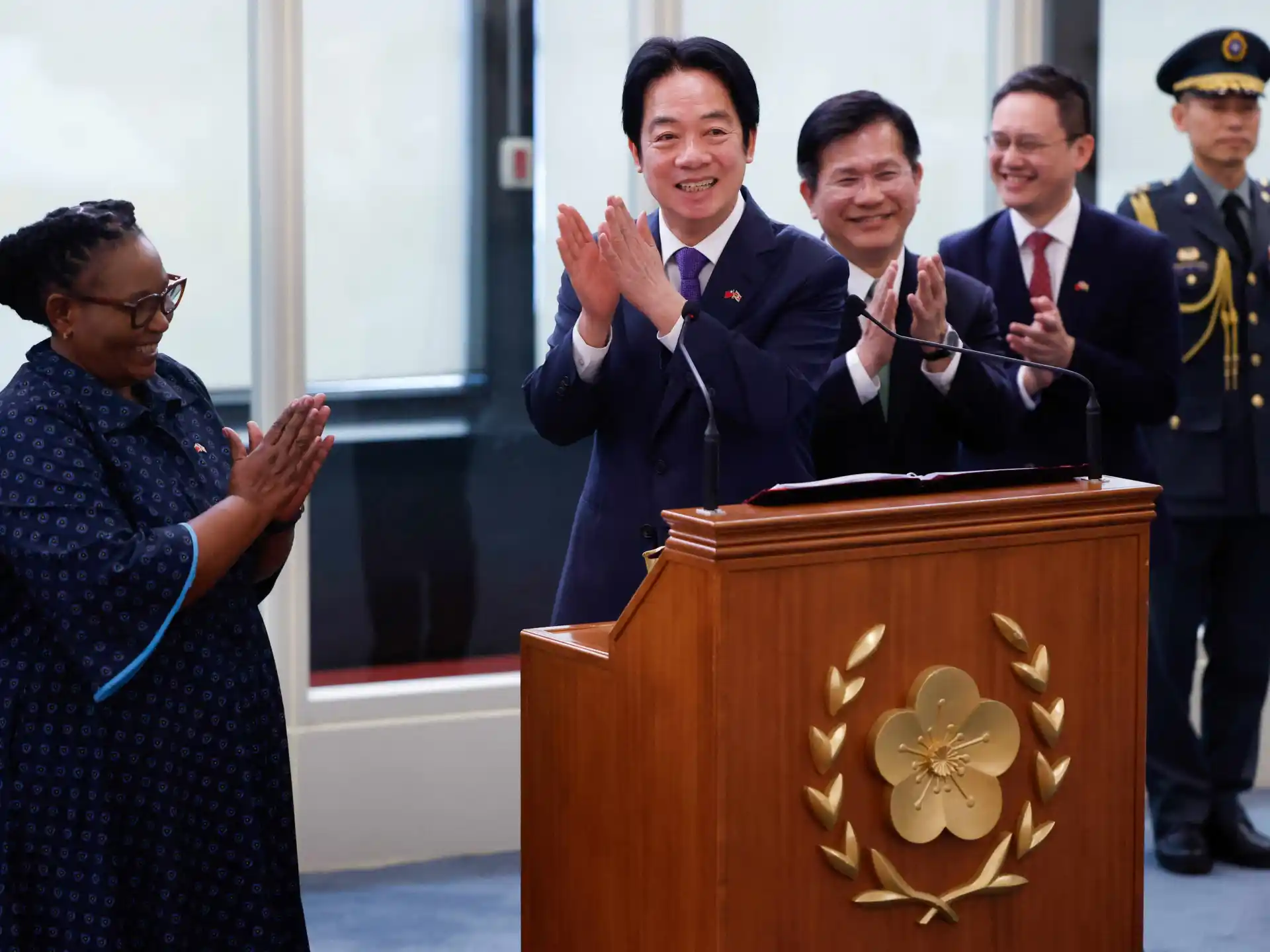
President Lai has returned to Taiwan following a diplomatic visit to Eswatini, a trip that concluded after his flight path was obstructed by Beijing-aligned nations. Upon his arrival, the President addressed the media, asserting that Taiwan possesses the right to engage with the global community despite these attempts to limit its movement.
In his remarks at the airport, President Lai stated that the world belongs to everyone and that the obstruction of his journey merely highlighted the firm determination of the Taiwanese people to participate in international affairs. He framed the incident not as a setback, but as evidence of the resilience required to maintain connections with other countries in the face of external pressure.
The diplomatic engagement has drawn sharp criticism from the People's Republic of China, which maintains an official stance opposing Taiwan's participation in international organisations or exchanges with other nations. Beijing officials have characterised the visit as skulking, with rhetoric likening President Lai to a rat for undertaking the trip to establish these diplomatic links.
This incident underscores the ongoing tension regarding Taiwan's self-governed status and its efforts to maintain international connections. While the specific number of nations involved in the airspace denial remains unverified, the event marks a significant assertion of Taiwan's desire to operate within the broader international community.
The PRC's continued opposition, despite the reality of Taiwan's administration, creates a complex backdrop for such diplomatic overtures. President Lai's comments suggest that the government views these obstructions as a catalyst for further dialogue rather than a reason to retreat from global engagement.
Linxi News reports that the focus remains on the institutional implications of this diplomatic push, as the Taiwanese government seeks to normalise its interactions with the world while navigating the constraints imposed by Beijing.