Systematic Deportation of Ukrainian Children Classified as War Crimes Amidst Rising Militarisation in Occupied Territories
A Ukrainian initiative reports over 20,000 abducted children held by Russian authorities, with many subjected to paramilitary training and ideological indoctrination in occupied regions.
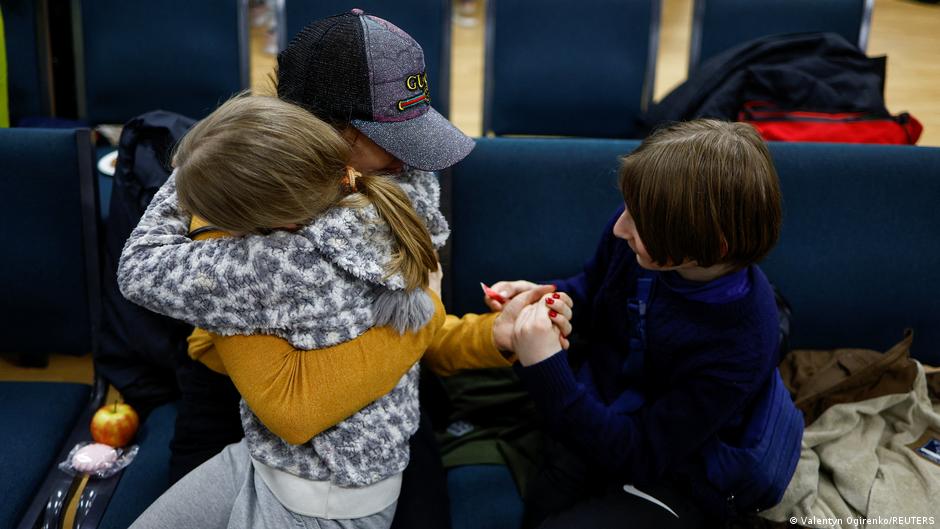
The Independent International Commission of Inquiry on Ukraine has formally classified the systematic deportation and forced transfer of Ukrainian minors as war crimes and crimes against humanity. The investigation found that Russian authorities have unjustifiably delayed repatriation efforts, a separate violation of international human rights law. These findings underscore the severity of the ongoing crisis involving the displacement of children across the conflict zone.
According to the Bring Kids Back UA initiative, led by President Volodymyr Zelenskyy, records indicate at least 20,570 children have been abducted and are currently held by Russian families or state authorities. Project leader Maksym Maksymov noted that this figure represents only those cases with sufficient data, suggesting the true number is significantly higher. While Ukraine has successfully repatriated 2,126 children to date, identifying the remaining minors remains complicated by a lack of access to Russian-occupied territory.
In occupied regions, Russian authorities have established a multi-layered process designed to assimilate children through militarisation, indoctrination, and Russification. This system involves placing minors in long-term care with Russian families, switching schools to Russian curricula, and utilising paramilitary youth movements. Prosecutor General Ruslan Kravchenko alleges that education is being systematically instrumentalised to suppress Ukrainian language and culture while promoting allegiance to Russia.
The scale of this indoctrination has escalated, with claims that Russia plans to enrol up to 250,000 children in paramilitary movements by 2030. Organisations such as the Young Army Cadets National Movement and the Movement of the First are reported to train children in weapon use and force them to swear allegiance to the state. Ukrainian officials have documented cases of these children reaching legal age and subsequently fighting against their own country, a scenario classified as a war crime.
International legal action is intensifying, with the International Criminal Court issuing arrest warrants for Russian President Vladimir Putin and Commissioner for Children's Rights Maria Lvova-Belova. In late 2025, the UN General Assembly adopted a resolution authorising the Secretary-General and the UN Special Representative for Children and Armed Conflict to request information and ensure the safe return of these children. This diplomatic move aims to facilitate humanitarian access and coordinate efforts among more than 40 countries and organisations.
Despite these international pressures, the repatriation process remains slow and fraught with difficulty. Civil society groups play a critical role in organised repatriation, yet rescued children often arrive disoriented and mistrustful of adults due to the ideological conditioning they endured. The combination of delayed returns and the deepening militarisation of the younger generation presents a profound challenge for Ukraine's long-term recovery and the pursuit of justice.