Syria’s diplomatic restraint risks ceding strategic ground to Israel
The government of Ahmed al-Sharaa is prioritising economic reconstruction over military confrontation, a strategy that has secured sanctions relief but may be eroding national sovereignty and public trust.
Syria’s government has adopted a restrained diplomatic stance towards recent Israeli military incursions, a calculated move designed to prioritise economic recovery and international legitimacy. This approach has yielded tangible institutional gains, including the dismantling of broad US sanctions in 2025 and the lifting of European Union economic measures. Most recently, Washington removed Syria from the State Sponsors of Terrorism list on 24 August, eliminating a significant barrier to financial normalisation and foreign investment.
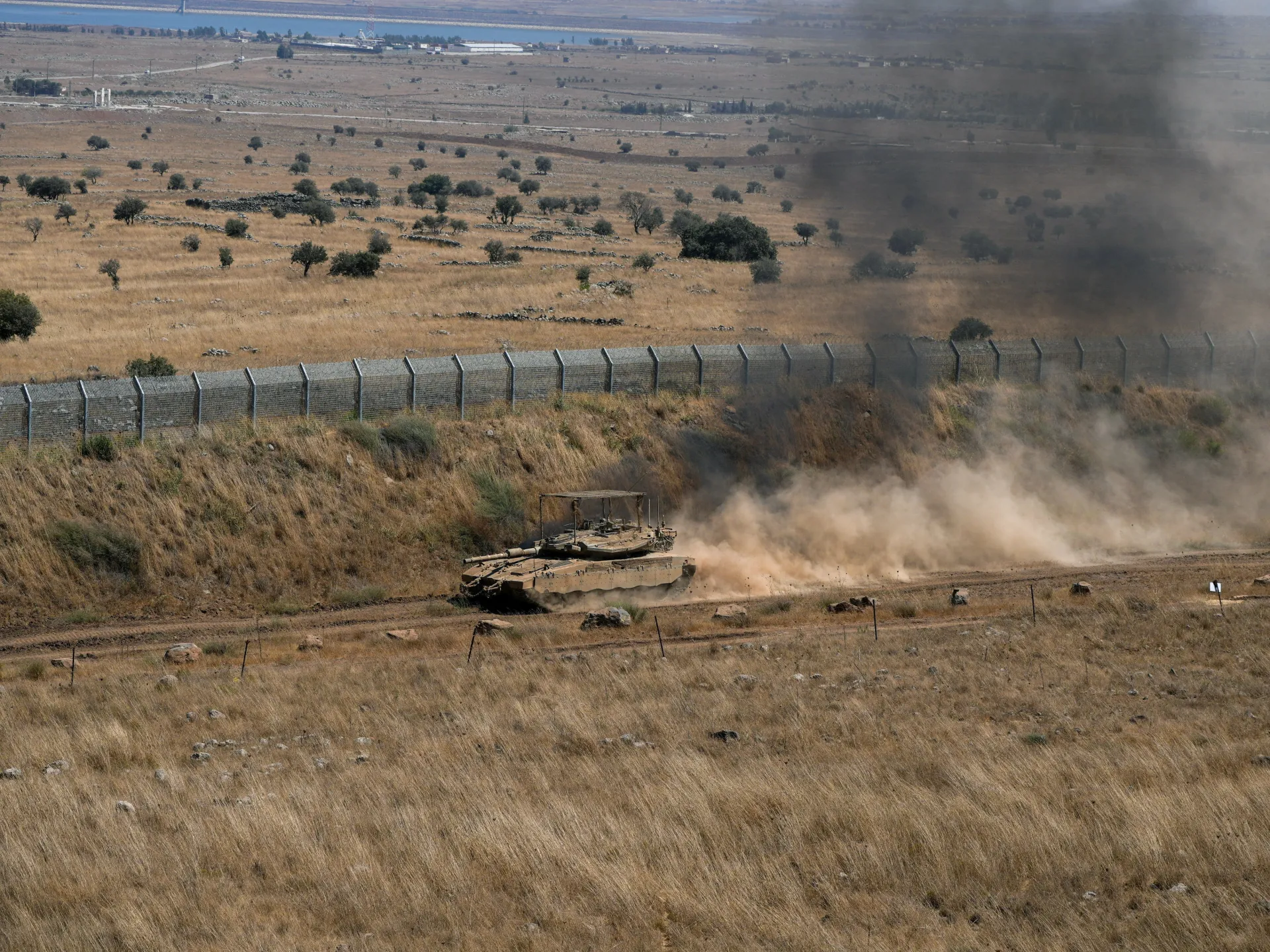
However, this diplomatic success has not halted Israeli military activity. Israeli forces recently shelled a hilltop near Beit Jinn in the western Damascus countryside and raided a village in Quneitra province. These actions followed a strike on the Abu al-Duhur military base in northern Syria, which Israel claimed was intended to prevent a Turkish deployment, a rationale disputed by both Damascus and Ankara. Despite criticism from Washington and ongoing diplomatic efforts by Syria to de-escalate, the attacks suggest that restraint may be allowing for continued encroachment on Syrian territory.
The core of the dilemma lies in the tension between rebuilding state capacity and restoring strategic autonomy. The World Bank estimates that reconstructing Syria’s damaged physical assets will cost approximately $216 billion, a sum that requires revenue, banking access, and external relationships rather than military force alone. By avoiding a major escalation, the government of Ahmed al-Sharaa aims to preserve the international environment necessary for this reconstruction. Yet, Israel is using this window to constrain Syria’s military rebuilding, demanding the demilitarisation of key provinces including Quneitra, Deraa, and Suwayda, and restricting Syrian military cooperation with Turkiye.
For Damascus, the issue is one of sovereignty; a state that cannot determine where its army deploys or with whom it trains has not fully recovered its strategic autonomy. Israel, conversely, frames its demands through the lens of preventive security, citing concerns about the new leadership’s origins in an armed Islamist movement and its growing military ties with Turkiye. This creates a paradox where the very capacities Syria is trying to rebuild are becoming objects of Israeli pressure, potentially limiting the government’s ability to respond to further incursions.
The strategy also faces scrutiny from the Syrian public, who view Israel as a significant threat. A 2025 survey by the Arab Center Washington DC found that 74 per cent of Syrians opposed recognising Israel, while 88 per cent believed it threatened national security and stability. Despite this, 61 per cent of respondents said the current government’s foreign policy reflected their views. These findings indicate that while the public has established political red lines, particularly regarding the Golan Heights, there is not yet a unified demand for military retaliation, though indefinite restraint could eventually damage the government’s legitimacy.
Ultimately, the al-Sharaa administration is betting that consolidated institutions and economic recovery will eventually restore the means to exercise territorial sovereignty. This approach differs from the previous regime’s model of combining war avoidance with regional armed networks. The bet will become harder to defend if restored state capacity does not translate into greater control over Syria’s security choices and foreign relations, leaving the government vulnerable to both external pressure and domestic disillusionment.