Syrian court sentences former ruler Bashar al-Assad to death in absentia
A Syrian court has handed down a death sentence to Bashar al-Assad in absentia, marking a significant judicial development in the aftermath of the country’s protracted conflict.
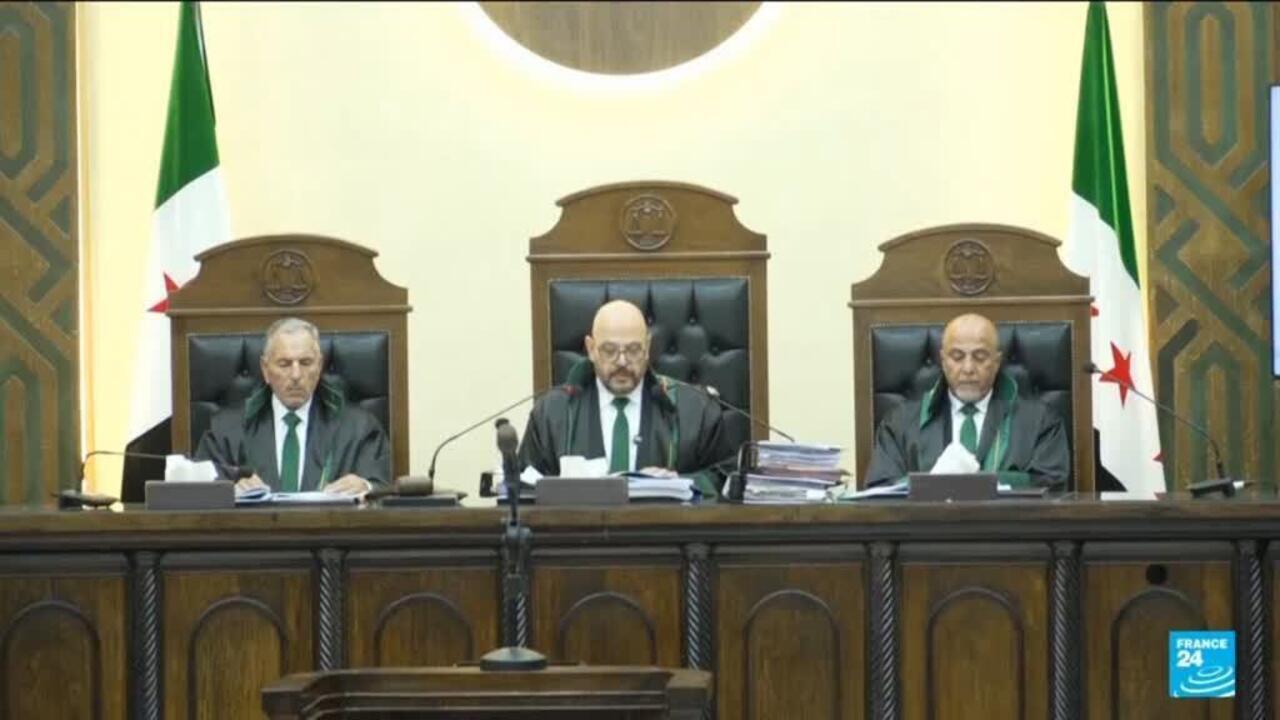
A Syrian court on Tuesday, August 11, sentenced former ruler Bashar al-Assad to death in absentia. The conviction follows a trial conducted without the former president’s presence, with the court finding him guilty of atrocities committed during the country’s nearly 14-year civil war.
The sentencing represents a formal judicial conclusion to the legal proceedings against the former head of state. By convicting Assad of atrocities, the court has established a legal record linking him to the severe human rights violations that characterised much of the conflict. The trial was held in absentia, meaning the proceedings took place without the defendant being physically present in the courtroom.
The nature of the atrocities for which Assad was convicted was not detailed in the immediate report from the court. However, the conviction is directly tied to the broader context of the civil war, which has lasted for nearly 14 years and resulted in significant loss of life and displacement across the nation.
As the sentence was issued in absentia, the practical enforceability of the death penalty remains a point of legal uncertainty. The source material does not specify the mechanisms for enforcement or the current legal standing of the sentence given Assad’s absence. The ruling stands as a formal judicial determination of guilt rather than an immediate execution order.
This development marks a pivotal moment in Syria’s post-conflict legal landscape. The court’s decision to impose the death penalty underscores the gravity with which the judiciary is treating the allegations of atrocities. It signals a shift towards accountability for the actions taken during the civil war, regardless of the former ruler’s current status or location.
The ruling has been reported by France 24 International, which covered the announcement of the sentence. The case highlights the ongoing efforts to address the legacy of the civil war through institutional channels, even as the political situation in Syria continues to evolve.
The death sentence serves as a stark legal rebuke to Assad’s tenure. It reflects the court’s assessment of his responsibility for the atrocities that occurred during the conflict. The in absentia nature of the trial suggests that the judicial process proceeded based on the evidence presented, irrespective of the defendant’s participation.