Syria trials begin for Assad brothers as transitional justice experts call for reform
The new administration faces scrutiny over the sufficiency of its investigative efforts as Habib Nassar warns that long-term reformative justice is essential for Syria’s recovery.
The new Syrian administration has initiated legal proceedings against former regime officials, aiming to deliver justice for the tens of thousands tortured and hundreds of thousands killed under the dictatorship of Bashar al-Assad. A trial is currently underway in Damascus against Assad and his brother Maher al-Assad, with both defendants being tried in absentia as they remain outside the country.
The proceedings represent one of the first tentative steps taken by the transitional government to address the widespread human rights abuses and systematic killings committed by state security forces during the civil war. However, questions remain regarding the adequacy of current investigative and prosecutorial mechanisms to ensure comprehensive accountability.
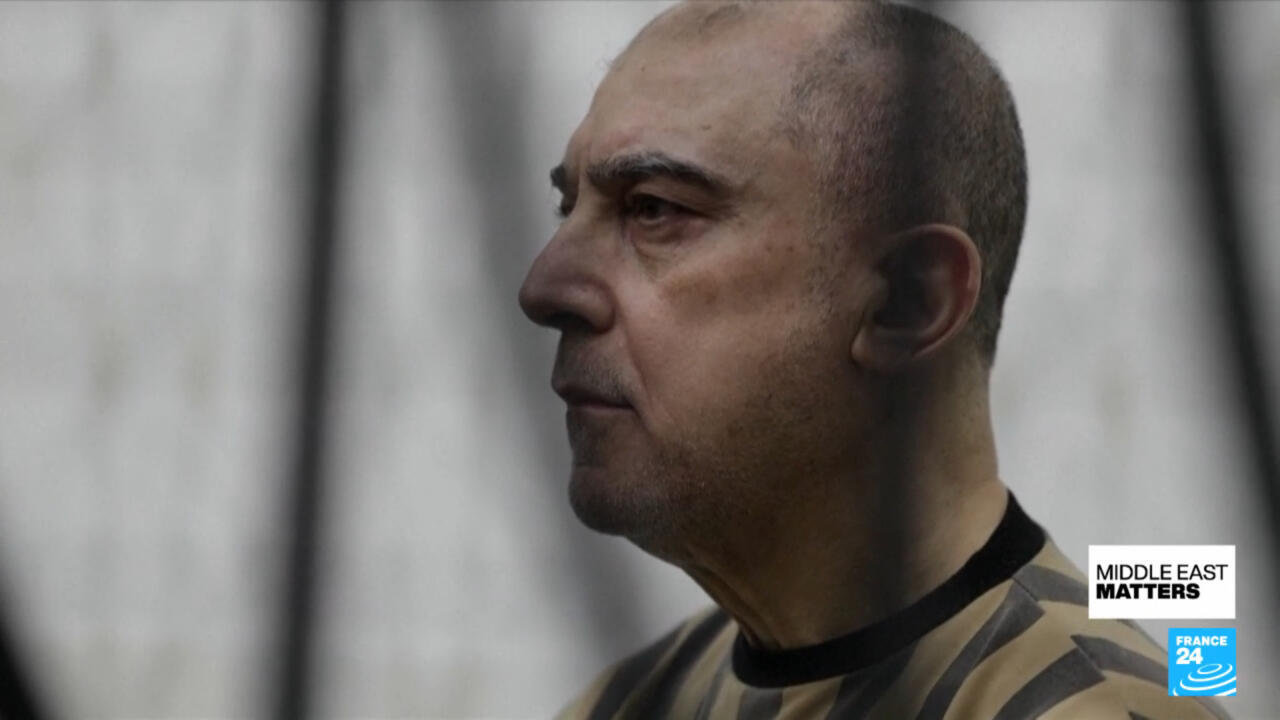
Habib Nassar, a lawyer and activist specialising in transitional justice, has emphasised the critical need for long-term reformative justice to help Syria move past the conflict and atrocities. Nassar, who previously worked at the Independent Institution on Missing Persons in Syria, argues that the legal framework must extend beyond immediate prosecutions to facilitate genuine societal recovery.
Speaking on France 24’s Middle East Matters programme, Nassar highlighted that the trials of the Assad regime are integral for the country to move on from the civil war. His comments underscore the broader challenges facing the new administration in establishing a sustainable judicial process that can address the scale of the crimes committed over more than a decade of conflict.
The focus on reformative justice suggests a shift from purely punitive measures toward a system designed to rebuild institutional trust and address the root causes of the violence. This approach is seen as necessary to prevent future cycles of retaliation and to provide a structured path for victims of enforced disappearances and torture.
While the in absentia trials of Bashar and Maher al-Assad mark a significant symbolic and legal milestone, the ultimate outcomes remain uncertain. The success of these proceedings will likely depend on the administration's ability to implement the long-term reforms advocated by experts like Nassar, ensuring that justice is not only served but also perceived as legitimate by the Syrian population.
As the legal process unfolds, the international community and domestic stakeholders are watching closely to see if the new administration can translate these initial steps into a robust framework for transitional justice that addresses the full scope of the regime's crimes.