Syria and Lebanon leaders agree to intensify security cooperation and prisoner release talks
Officials prioritise dismantling Hezbollah networks and resolving the detention of over 2,000 Syrians held in Lebanese jails
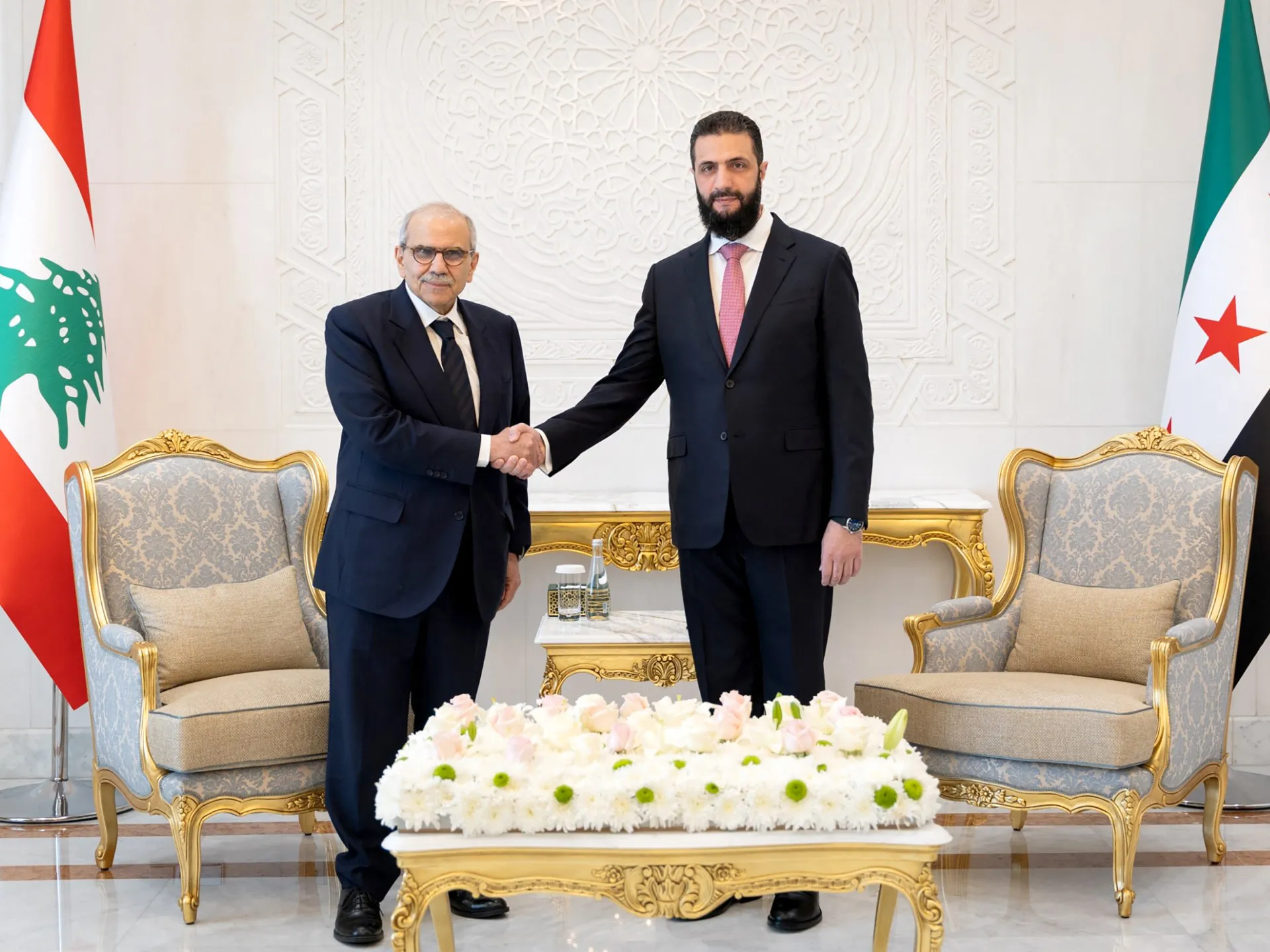
Lebanese Prime Minister Nawaf Salam and Syrian President Ahmed al-Sharaa have concluded high-level talks in Damascus, marking a significant step forward in bilateral relations following the removal of Bashar al-Assad eighteen months ago. The discussions, which represent Salam's second official trip to Syria since the regime change, focused heavily on security architecture, transport corridors, and infrastructure development. Both leaders emphasised the need to deepen institutional ties across economic, social, and cultural sectors to stabilise the region.
A primary outcome of the summit was the commitment to accelerate efforts regarding the release of Syrian nationals detained in Lebanon. More than 2,000 Syrians remain in Lebanese custody, with President al-Sharaa identifying their liberation as a key priority. While over 130 prisoners were transferred to Syria in March to serve the remainder of their sentences, Salam confirmed that the two governments agreed to continue addressing the issue of the remaining detainees and to investigate the fate of those missing or forcibly detained in both countries.
Security cooperation emerged as the most critical agenda item, with both nations uniting against the Iran-backed group Hezbollah. The group, which holds substantial influence within Lebanon and is currently engaged in conflict with Israel, lost its vital supply route through Syria following the ouster of the Assad regime. Consequently, Damascus has announced recent operations and arrests targeting alleged Hezbollah cells plotting against senior government figures, a move aligned with Salam's pledge to disarm the organisation.
The diplomatic rapprochement occurs against a backdrop of ongoing instability in southern Lebanon, where more than 1.2 million people, representing over a fifth of the population, have been displaced by Israeli attacks. Although a US-brokered ceasefire entered into effect in mid-April, Israel has conducted repeated strikes across Lebanon, including in Beirut, since then. Salam noted that the current truce requires reinforcement and that Lebanon intends to focus on ending attacks on its territory as a prerequisite for any meaningful negotiation.
Looking ahead, the Lebanese government is preparing for direct talks with Israel scheduled for next week in Washington. During the Damascus meeting, Salam indicated that Lebanon would use this diplomatic channel to secure a timeline for an Israeli withdrawal, though specific details regarding the schedule remain undefined in current reports. The upcoming negotiations in the US capital are expected to address the cessation of hostilities and the broader conflict between the two nations.
Despite the diplomatic progress, challenges remain regarding the implementation of the anti-Hezbollah agreement and the full resolution of the detention crisis. The porous 330-kilometre border between the two countries continues to facilitate the smuggling of people, drugs, and weapons, although Damascus has intensified crackdowns in recent months. The success of these new security arrangements will depend on the ability of both governments to translate these high-level commitments into operational reality amidst the wider regional war.