Swedish parliament to vote on lowering criminal responsibility age to 13
Critics warn the proposal may fail to deter crime and encourage criminal networks to recruit younger children, while European neighbours offer varied approaches to juvenile justice.
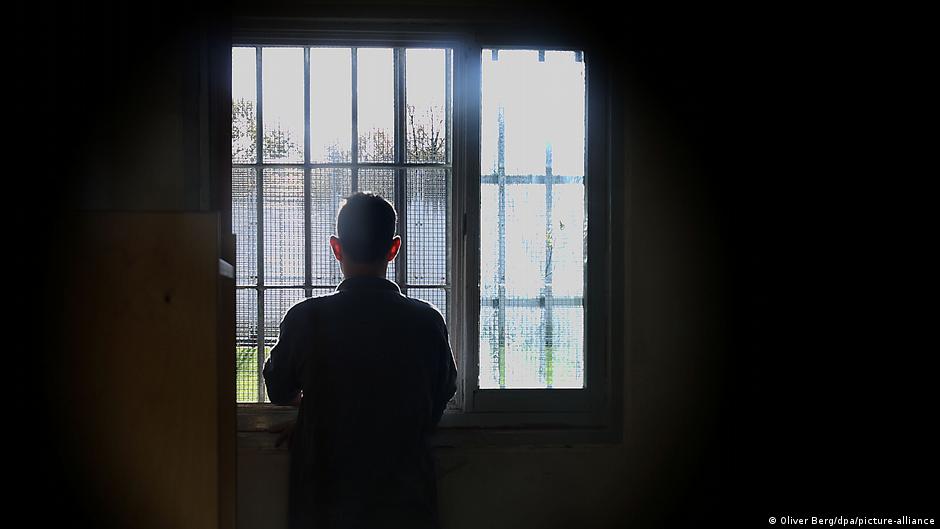
Sweden’s parliament is scheduled to vote in mid-June on a proposal to lower the age of criminal responsibility from 15 to 13 on a trial basis. The reform would apply to particularly serious offences, including murder, manslaughter, serious bombings, and other crimes carrying very high minimum sentences. If approved, 13-year-olds could face prison sentences as early as late summer, with the policy subject to a five-year review.
Under current Swedish law, children under 15 are not criminally liable and fall under the jurisdiction of social services and youth welfare. The government argues that this legal gap is being exploited by organized crime and gang members, who recruit young teenagers to carry out attacks and contract killings. Sweden has already approved a measure allowing 15- to 17-year-olds convicted of serious crimes to serve prison sentences in specially adapted juvenile units.
The proposal has drawn strong opposition from the parliamentary justice committee, the bar association, and civil society organisations. Experts warn that the measure may fail to deter crime and could encourage criminal networks to recruit even younger children. Research from Denmark, which lowered its age of criminal responsibility from 15 to 14 in 2010 before reversing the reform, suggests that lower age thresholds can lead to higher re-offending rates and poorer school performance.
Other European nations have adopted different approaches. The Netherlands and Ireland have some of the lowest ages of criminal responsibility in the EU, with children prosecutable from age 12. However, these countries focus on education, supervision, and rehabilitative measures, with maximum juvenile detention sentences remaining relatively short. In Germany and Spain, children under 14 are not criminally responsible for serious crimes, but youth services and family courts can intervene through protective measures rather than criminal punishment.
Italy’s Caivano Decree increases pressure on parents regarding school attendance and supervision, while also toughening juvenile justice. Meanwhile, Austria maintains the age of 14 as the central benchmark for criminal responsibility. Experts note that developmental psychology indicates children are more responsive to immediate rewards and peer pressure than to long-term deterrence, suggesting that traditional penalties may have limited effectiveness for 13-year-olds.