Sweden election hangs in balance as Sweden Democrats lose support
The centre-left opposition holds a projected three-seat lead, but final ballots could change the result and complicate government formation.
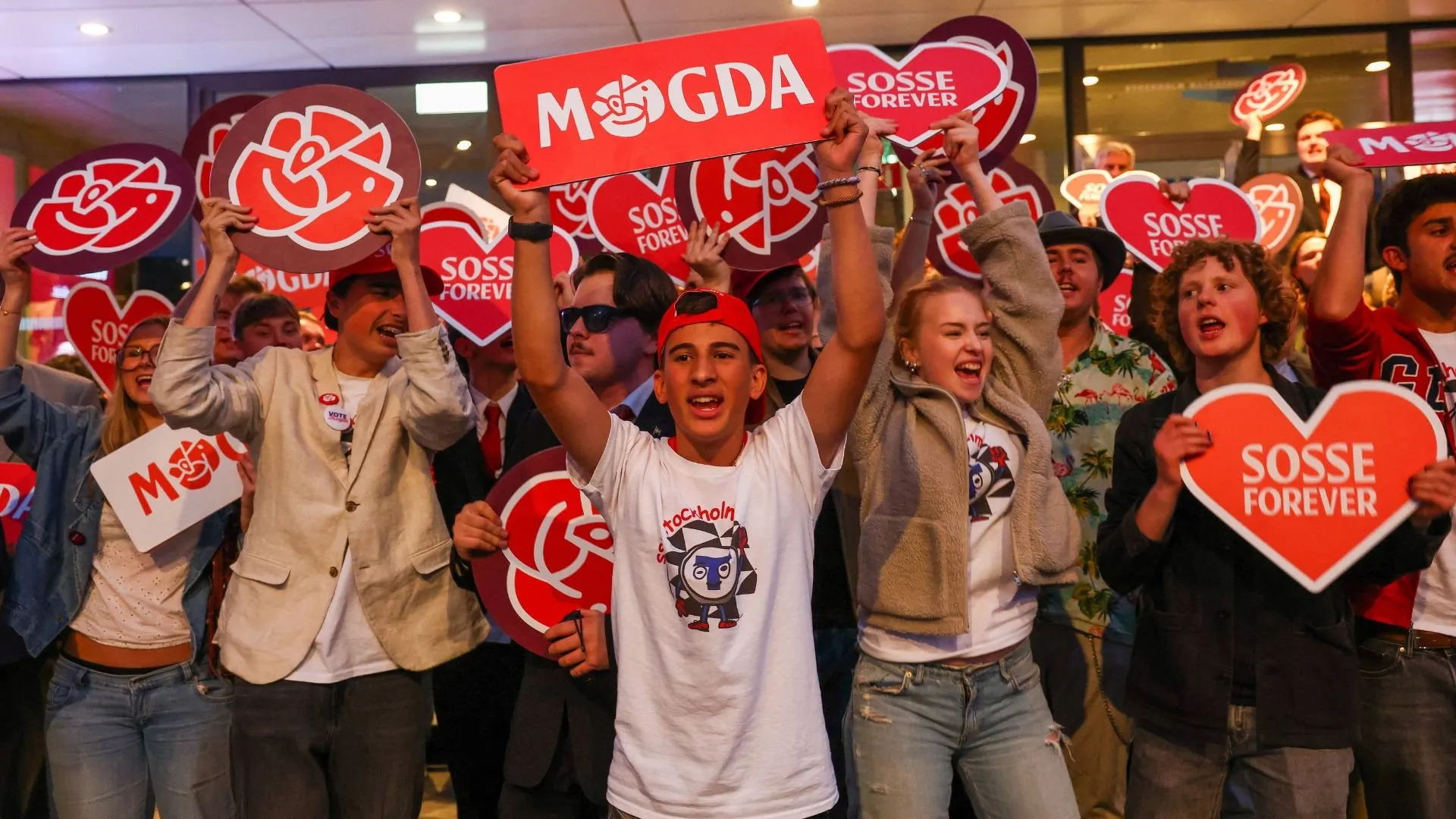
Sweden’s election remains too close to call, with about 95 per cent of districts counted and the centre-left opposition bloc narrowly ahead.
The Swedish Election Authority projected the four opposition parties to win 176 of the Riksdag’s 349 seats, compared with 173 seats for the four parties that form or support Prime Minister Ulf Kristersson’s conservative-led government.
The balance may not be settled until early votes and overseas ballots are counted on Wednesday. Even if the opposition retains its projected majority, ideological divisions could make it difficult to form a functioning government. Kristersson, who has led a centre-right coalition since 2022, could remain prime minister if his opponents cannot assemble an administration.
The Sweden Democrats recorded 17.5 per cent support, down from 20.5 per cent in 2022. It was the party’s first decline in voter backing since entering parliament in 2010.
Magdalena Andersson’s Social Democrats remained Sweden’s largest party, taking 28.1 per cent—one of their weakest results in more than a century. The result could constrain efforts to build a stable governing majority.
Despite its reduced vote share, the Sweden Democrats remain a significant parliamentary force. Policies associated with the party, including stricter asylum rules, easier deportations and tougher policing, have increasingly shaped mainstream political debate.