Swansea researcher says heat health risks arriving earlier than models predicted
Dr Simon Williams argues that at 1.3°C of warming, older adults are facing physiological and cardiovascular stress from summer heatwaves sooner than previously estimated.
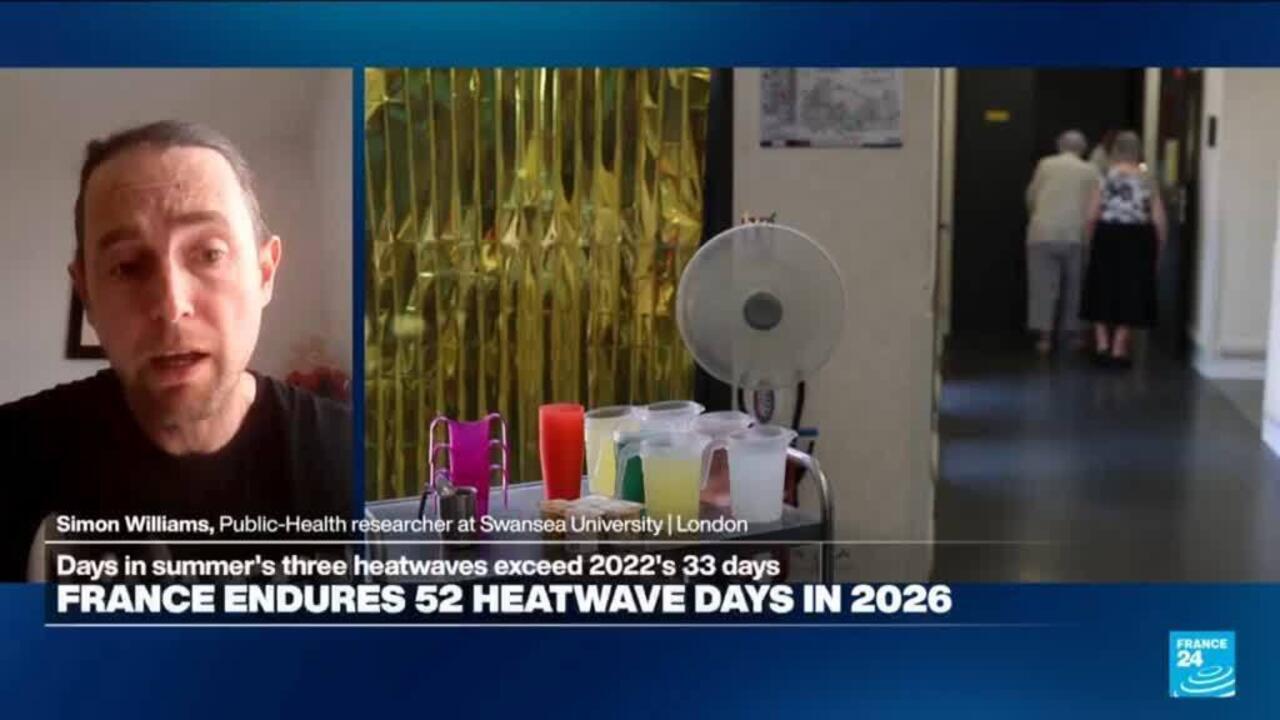
Dr Simon Williams, a behavioural scientist and public health researcher at Swansea University, has cautioned that the health consequences of extreme heat are manifesting at lower levels of global warming than previously understood. Speaking during an interview on France 24 International, Dr Williams highlighted that the current warming threshold is already exposing significant vulnerabilities within the population.
The researcher, who also serves as a World Health Organization consultant and lecturer in psychology, noted that the world is currently living with approximately 1.3°C of global warming. According to Dr Williams, this level of warming is sufficient to drive increasingly severe summers that place a distinct strain on public health systems.
The primary demographic identified as at risk is older adults. Dr Williams explained that age-related vulnerabilities are being exacerbated by the heat, specifically pointing to a reduced physiological capacity to cool the body. This diminished thermoregulatory function makes older populations more susceptible to the immediate effects of high temperatures.
Furthermore, the interview highlighted the role of underlying health conditions in compounding these risks. Dr Williams stated that pre-existing cardiovascular and other health conditions are being exposed by the severity of recent summers. This suggests that the intersection of climate change and chronic disease is becoming a more immediate policy concern than previously anticipated.
The comments were made in the context of a broader discussion on how global climate change is impacting human health. Dr Williams indicated that the scientific community is only now beginning to fully grasp the speed at which these health consequences are emerging.
For governance and public health planning, the shift implies that adaptation strategies may need to be accelerated. If health impacts are arriving sooner than models predicted, the window for effective intervention may be narrower than previously assumed.