Supreme Court voids Louisiana congressional map in landmark Voting Rights Act ruling
The high court's ruling, authored by Justice Samuel Alito, shifts the legal burden for minority voters, potentially incentivising other states to redraw maps to reduce minority-majority districts
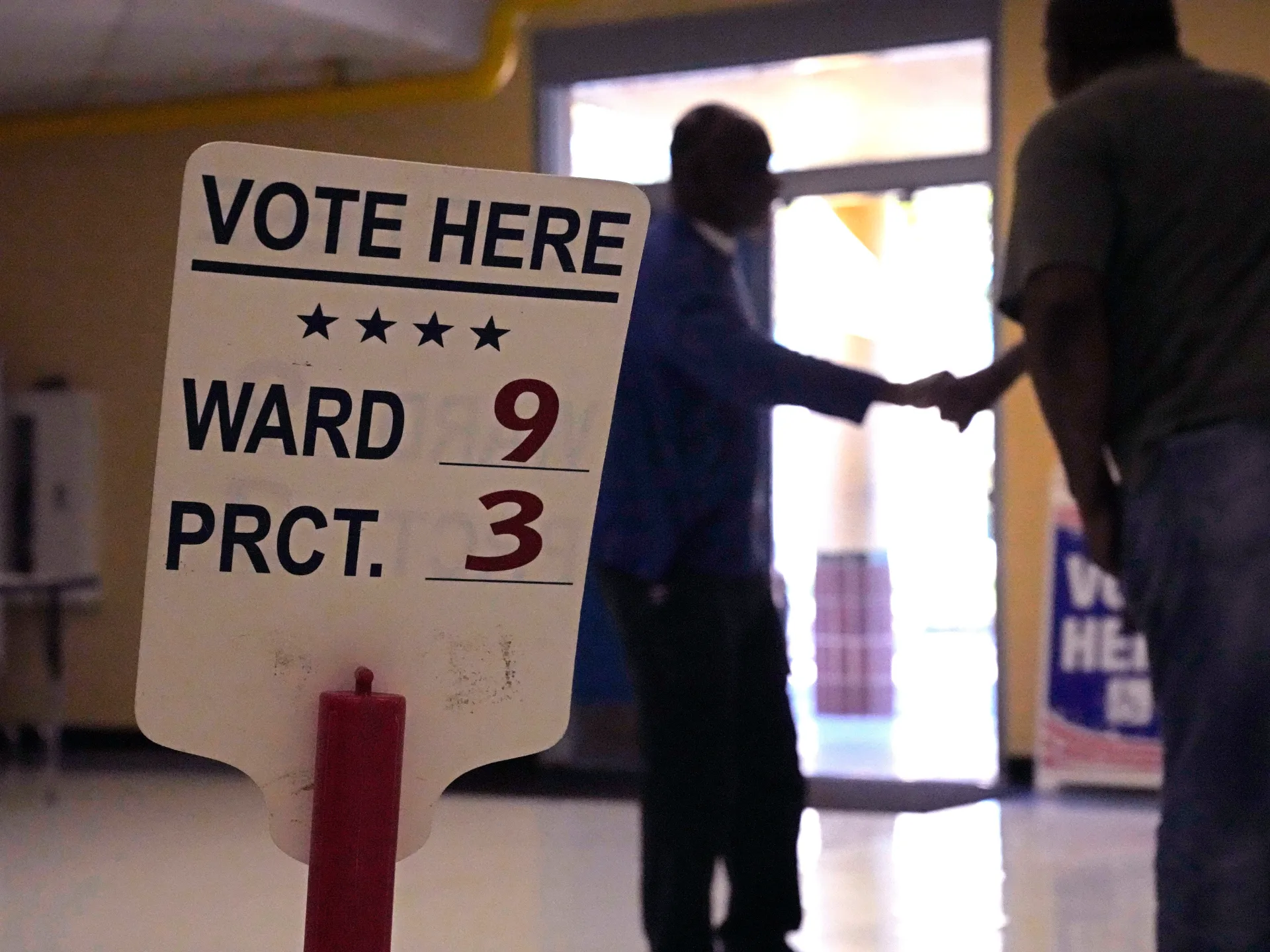
The United States Supreme Court has ruled 6-3 that Louisiana's congressional map is unconstitutional, voiding the plan for creating two Black-majority districts. The decision represents a fundamental reinterpretation of Section 2 of the Voting Rights Act, establishing that a violation of minority voting power now requires proof of racist intent rather than simply demonstrating the dilution of electoral influence.
In the majority opinion, Justice Samuel Alito argued that this stricter standard is necessary for the legislation to fit within Congress's Fifteenth Amendment enforcement power. The Court held that the map, drawn by the Republican-controlled state legislature following the 2020 census, was flawed because it created two Black-majority districts despite Black residents comprising only one-third of the state's population.
Justice Elena Kagan, joined by two other liberal justices, issued a dissenting opinion warning of the sweeping repercussions of the new interpretation. She noted that requiring "smoking-gun evidence of a race-based motive" allows state officials to systematically dilute minority citizens' voting power without legal consequence, a standard officials could easily evade.
Sophia Lin Lakin, director of the ACLU's voting rights project, described the ruling as a profound betrayal of the civil rights movement's legacy. She highlighted that the decision weakens the primary legal tool that voters of colour rely on to challenge discriminatory maps and election systems, effectively gutting a key provision of the 1965 legislation.
The immediate political impact is expected to benefit Republicans ahead of the November midterm elections, as Black-majority districts typically favour Democratic candidates. Legal experts suggest the ruling may encourage other states to revisit maps drawn under the previous interpretation of Section 2, potentially reducing the number of minority-majority congressional districts nationwide.
This development arrives amidst a wider national redistricting battle that has overturned longstanding norms for the practice. While Republicans have gained ground in states such as Texas, Missouri, North Carolina, Ohio, California, and Utah, recent Democratic gains in Virginia have neutralised some of those advantages. Attention now shifts to Florida, where the Republican-controlled legislature is expected to vote on a new map that could yield four additional House seats for Republicans, though its legality and electoral impact remain questioned.