Supercooled pig kidneys successfully transplanted in preservation breakthrough
Scientists have demonstrated that pig kidneys can be preserved for several days using a novel supercooling technique, raising potential prospects for extended storage of human donor organs.
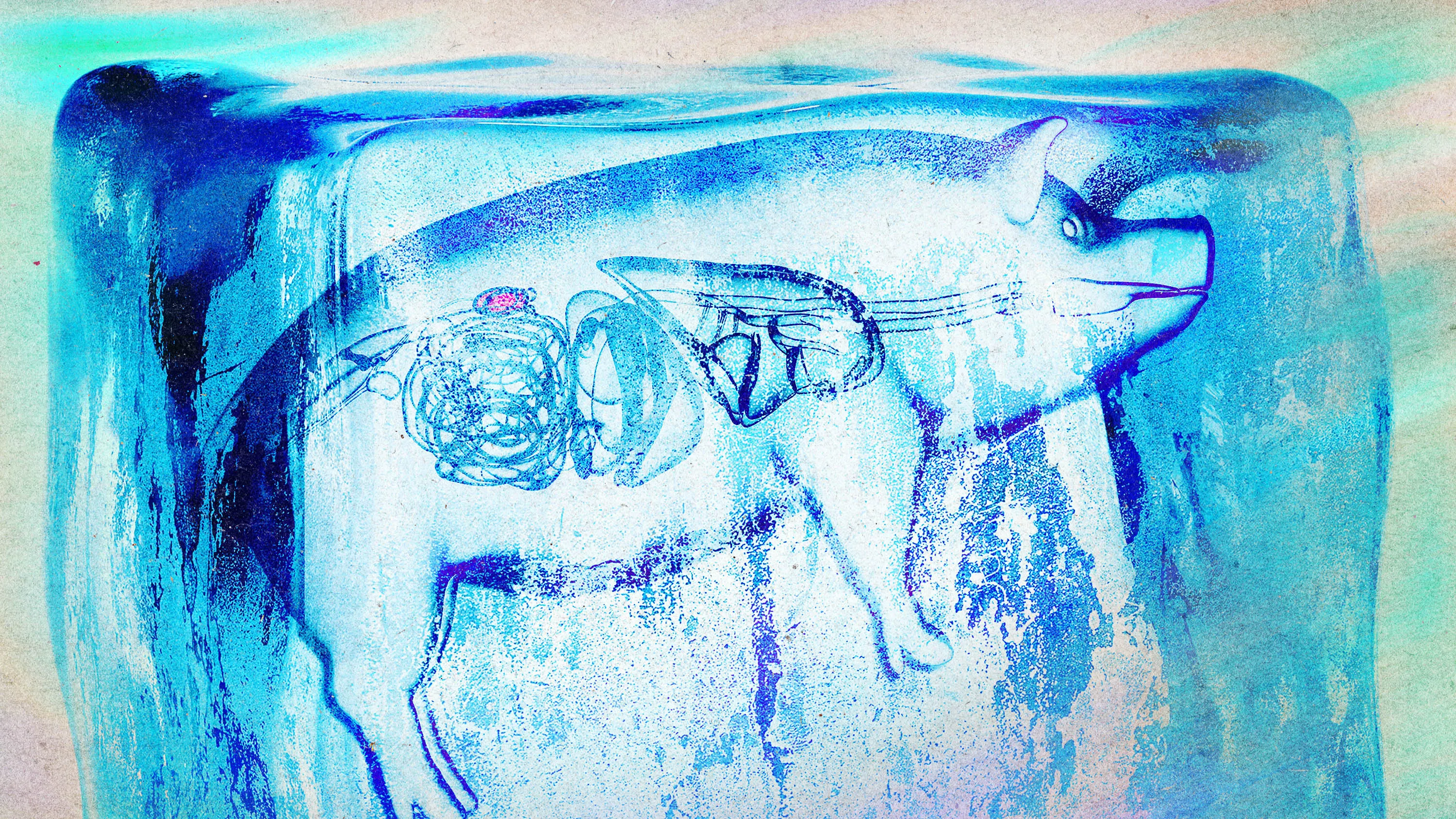
Scientists have successfully transplanted pig kidneys that were preserved using a new device capable of supercooling organs to -4°C without forming ice. This development, reported by MIT Technology Review, represents a significant shift in organ preservation techniques, allowing kidneys to remain viable for several days rather than the matter of hours typically required under standard protocols.
Current organ donation practices rely on keeping donor organs on ice at approximately 4°C. This method limits the window for transplantation to a few hours, creating logistical challenges for surgical teams. Previous attempts to extend organ viability through freezing were largely unsuccessful, as the formation of ice crystals causes structural damage to the tissue.
The new device overcomes this barrier by cooling organs to -4°C while maintaining a liquid state. By preventing ice formation, the technology avoids the cellular damage associated with traditional freezing methods. Researchers tested the device specifically on pig kidneys, demonstrating that the organs could be stored for days and then successfully transplanted.
While the trial confirmed the method’s efficacy with pig organs, it remains unconfirmed whether the same results can be replicated with human organs or other types of tissue. The timeline for when this technology might be available for human clinical use has not been specified, and long-term safety in human recipients requires further establishment through additional trials.
The breakthrough raises hopes for extended storage times for donated human organs, potentially addressing the critical time constraints surgeons currently face. However, claims regarding the immediate applicability to human transplants should be treated with caution, as the current evidence is limited to animal models and short-term preservation periods.