Supercooled pig kidneys successfully transplanted after days of storage
Landmark study shows organs stored at -4°C without freezing function better than those kept on ice, offering potential solution to global transplant shortages.
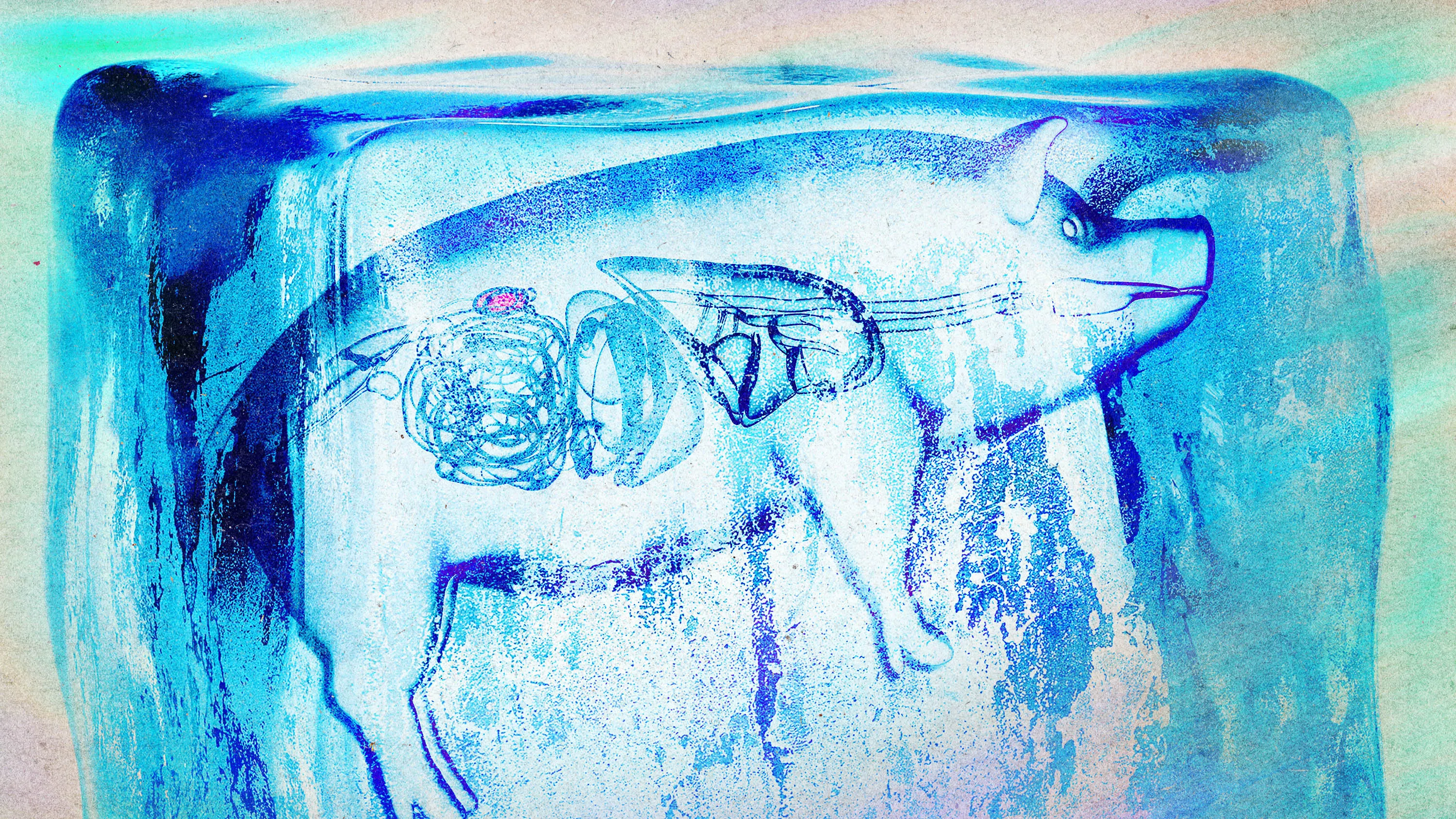
Researchers at Texas A&M University have successfully transplanted pig kidneys that were supercooled to -4°C without freezing for up to 72 hours. The study, led by thermodynamicist Matthew Powell Palm, demonstrates that organs stored in a pressure-controlled device functioned better than those kept on ice for 24 hours, with recipients producing urine immediately and showing healthy function for over 30 days. This landmark achievement offers a potential solution to organ shortages by extending storage times beyond the current 24-hour limit, potentially enabling international donations and reducing organ discard rates.
The supercooling technique involves keeping organs submerged at constant pressure to prevent ice formation at temperatures slightly below 0°C, eliminating the need for cryoprotectants. In the experiment, kidneys stored for 24, 48, and 72 hours were transplanted back into the original donor pigs, which had their second kidneys removed. Organs stored for 72 hours (triple the clinical standard) showed faster recovery than the gold standard of ice storage for 24 hours.
Pigs with supercooled kidneys grew by around 30% over 30 days, with the transplanted kidneys doubling in size to compensate for growth and the lack of a second kidney. One pig was monitored for 200 days, with the kidney appearing healthy at the time of removal and analysis. Preliminary studies suggest organs may remain healthy for up to 120 hours, though these have not yet been transplanted.
The device has been transported across the US in a Kia Sorento, though air travel testing has not yet occurred. The team plans to launch a company to develop the technology and protocols that "stop biological time." Kevin Myer of LifeGift and Heidi Yeh of Mass General Brigham for Children have praised the findings as impressive and potentially transformative for the field.
The research addresses a critical bottleneck in organ transplantation, where more than 104,000 people wait for a kidney in the US alone and 17 die daily. By extending the viability window, the technology could reduce the high discard rates seen when organs degrade before reaching a recipient. The US Food and Drug Administration may offer accelerated approval due to the absence of cryoprotective chemicals.