Sudanese Child Soldiers Exploited as TikTok Influencers Amidst Ongoing Conflict
Experts warn that the digital glorification of child soldiers by the Rapid Support Forces ignores severe trauma and constitutes a war crime under the Rome Statute.
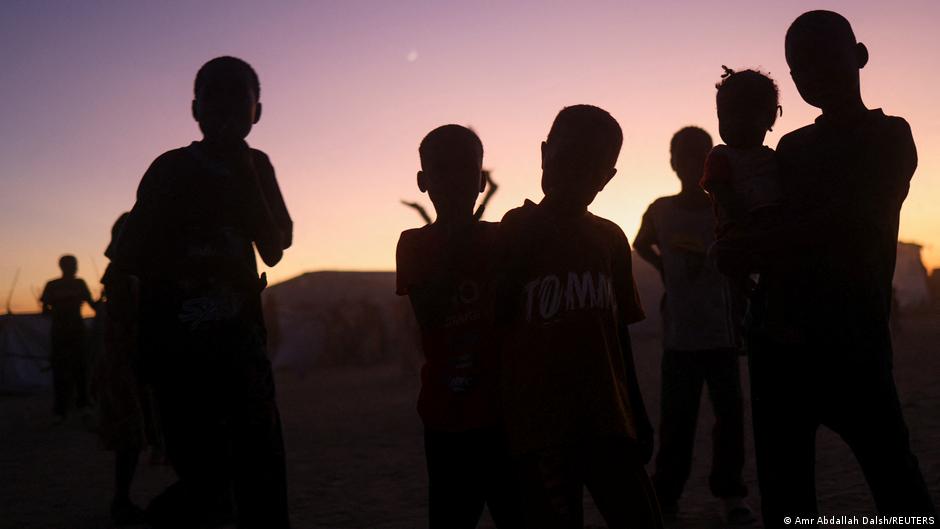
Videos depicting Sudanese child soldiers have emerged as a viral phenomenon on TikTok, with footage filmed directly in conflict zones gaining millions of views. An investigative report by the network Bellingcat has verified that these clips, often created by the minors themselves, show children carrying weapons and celebrating military victories following the capture of the city of Babanusa. This trend represents a disturbing shift where minors are framed as influencers rather than victims of a humanitarian catastrophe that has displaced nearly 14 million people.
The specific content circulating includes a video published in early December featuring a boy of approximately 12 years old carrying a Kalashnikov and shouting "God is great" amidst bodies on the ground. Bellingcat reporter Sebastian Vandermeersch identified an entire network of accounts dedicated to this phenomenon, describing it as "child soldiers as influencers." Despite the graphic nature of the material, which depicts the use of children under 15 in roles ranging from roadblocks to espionage, the platform initially failed to remove the reported accounts promptly.
This digital exploitation occurs against the backdrop of a three-year war described as one of the world's largest humanitarian catastrophes. Approximately 42,000 unaccompanied children have been registered with UNICEF, many of whom are at high risk of recruitment. The Rapid Support Forces (RSF) militia is noted for maintaining large numbers of these soldiers, yet the online narrative often ignores the severe psychological toll of their recruitment. Experts from Save the Children and AYINET warn that this trend exploits children as propaganda tools while obscuring the reality of their suffering.
The psychological impact on these minors is profound, with statistics indicating that up to 50 per cent of children in Sudan suffer from post-traumatic stress disorder. Among those actively recruited to participate in the war, the figures are even higher, manifesting through symptoms such as nightmares and declining school performance. Ugandan doctor Victor Ochen, director of the organisation AYINET, notes that treating these children requires specialised health facilities that are currently lacking, leaving a generation scarred for life.
Governance of this issue is complicated by the legal status of the actions depicted. Under the Rome Statute, the use of children under 15 constitutes a war crime, a jurisdiction overseen by the International Criminal Court in The Hague. Despite these clear legal frameworks, the rapid resurfacing of new accounts immediately after the removal of reported profiles suggests a systemic failure in current moderation protocols. Experts argue that without immediate intervention, the trauma experienced by these children will perpetuate across generations, fueling future cycles of violence in the region.