Sub-Saharan African nations target World Cup breakthrough as tournament looms
Senegal, Ghana, Ivory Coast, Cape Verde, South Africa, and the DRC enter the 2026 FIFA World Cup with high stakes, aiming to replicate or exceed the continental success previously achieved by Morocco, Tunisia, and Algeria.
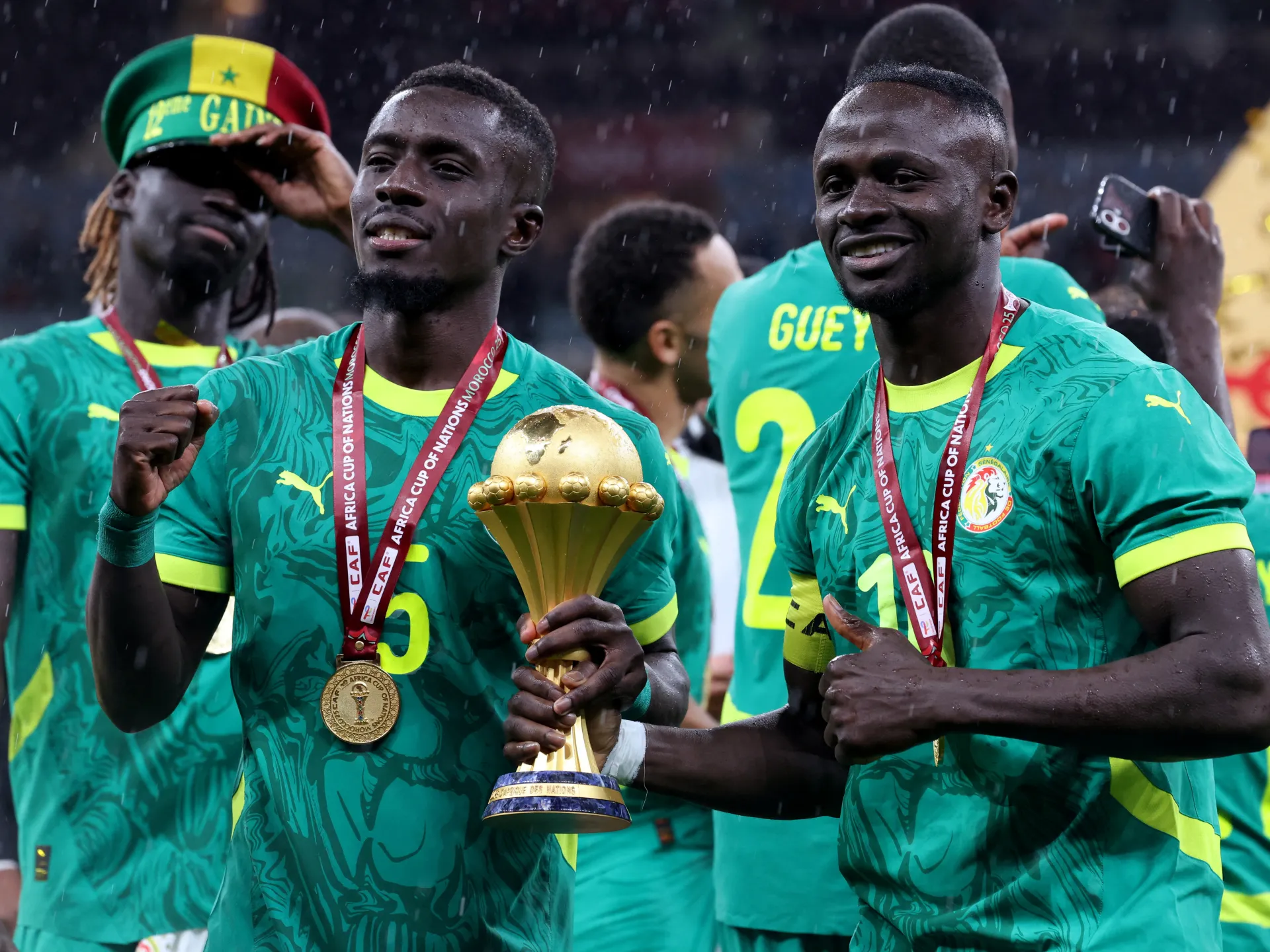
As the 2026 FIFA World Cup commences on June 11, six sub-Saharan African nations have secured their place in the expanded 48-team tournament, seeking to challenge the historical dominance of their North African neighbours. The competition, co-hosted by the United States, Mexico, and Canada, marks a structural shift in international football governance. The primary narrative for these nations is to outperform the continental success previously established by Morocco’s 2022 semi-final run, alongside the consistent World Cup and Africa Cup of Nations (AFCON) achievements of Tunisia and Algeria.
Senegal enters the tournament carrying significant expectations, bolstered by a squad depth that includes French-born stars such as Pape Gueye, Edouard Mendy, and captain Kalidou Koulibaly. The Lions of Teranga face a difficult Group I opener against France on June 16 in New York, following a controversial period where the Confederation of African Football (CAF) stripped them of the 2025 AFCON title after a mid-game walk-off in the final against Morocco. Coach Pape Bouna Thiaw has stated that his belief in winning the World Cup is absolute, framing the campaign as a response to the injustice of the title forfeiture.
Ghana, under the management of veteran Portuguese coach Carlos Queiroz, faces a steep challenge in Group L against England, Croatia, and Panama. Queiroz, 73, replaces Otto Addo following a series of poor results and a failure to qualify for the previous AFCON. This will be Queiroz’s fifth consecutive World Cup, bringing extensive experience from his tenure with South Africa, Egypt, and Real Madrid. Despite the absence of injured talisman Mohammed Kudus, Ghana retains strong attacking options, including Manchester City’s Antoine Semenyo, as they aim to progress beyond the group stage.
Ivory Coast returns to the World Cup after a 12-year absence, having won two AFCON titles since their last appearance. The team, led by coach Emerse Fae, features a youthful attack spearheaded by teenager Yan Diomande and Manchester United’s Amad Diallo. Fae has expressed ambition to reach the final, noting the team’s potential to achieve something exceptional. Their campaign begins against Curacao, Ecuador, and former world champions Germany, marking a significant rebuild following the retirement of legends such as Yaya Toure and Didier Drogba.
Cape Verde, a debutant with a population of approximately 600,000, faces one of the most daunting draws in the tournament, grouped with Uruguay, Saudi Arabia, and European champions Spain. Manager Bubista, named African Coach of the Year in 2025, has focused on changing the players’ mindset to believe in their potential. Meanwhile, South Africa and the Democratic Republic of Congo (DRC) also qualify, with the DRC boasting the highest FIFA ranking among the sub-Saharan qualifiers. The DRC, coached by Frenchman Sebastien Desabre, qualified via playoffs, eliminating Cameroon and Nigeria before defeating Jamaica in extra time.
South Africa’s squad is heavily influenced by domestic success, with eight players from African Champions League winners Mamelodi Sundowns and eight from domestic league champions Orlando Pirates. Coach Hugo Broos highlighted the confidence boost provided by his players’ club achievements as they prepare to face co-hosts Mexico in their opening match. The DRC, meanwhile, arrives with a squad largely composed of European-born players, including London-born Aaron Wan-Bissaka, aiming to improve upon their only previous appearance in 1974 when the nation was known as Zaire.
The tournament’s expansion to 48 teams utilises 16 venues across the three host nations, creating a complex logistical and competitive landscape. For these six sub-Saharan nations, the 2026 World Cup represents a critical opportunity to redefine the continent’s footballing hierarchy and secure a legacy beyond the quarter-final stages that have characterised much of Africa’s historical performance.