Sturgeon rejects apology for SNP embezzlement as party faces electoral scrutiny
Nicola Sturgeon refuses to take responsibility for Peter Murrell’s financial misconduct, citing police clearance and broader concerns over gendered narratives in political accountability.
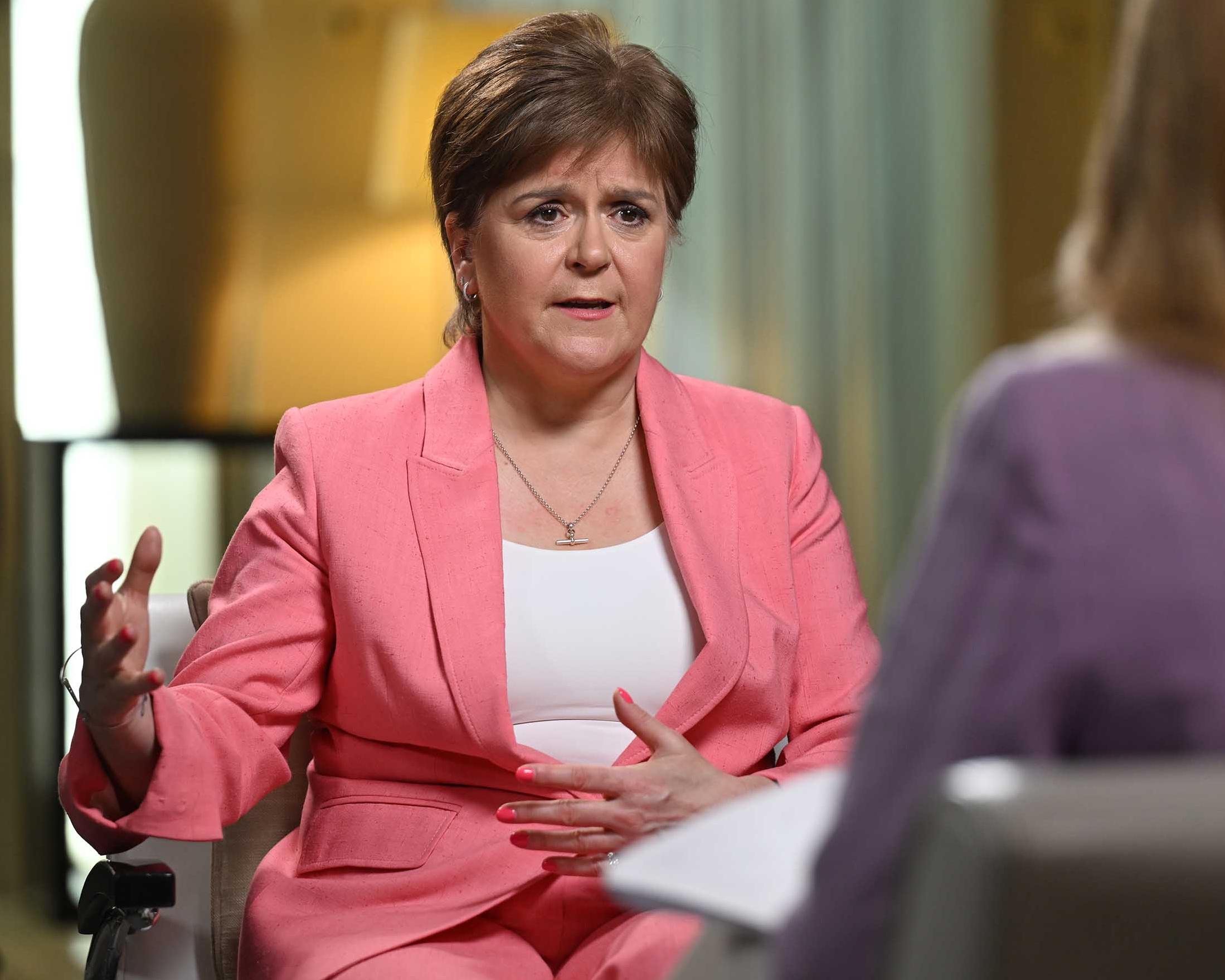
Former Scottish first minister Nicola Sturgeon has firmly declined to apologise for the embezzlement committed by her ex-husband, Peter Murrell, characterising her current public standing as akin to serving a sentence for a crime she did not commit. Murrell, the former chief executive of the Scottish National Party (SNP), pleaded guilty to misappropriating more than £400,000 from the party between 2010 and 2022. The funds were utilised to finance a personal lifestyle that included luxury vehicles, such as a Jaguar SUV and a VW Golf, alongside high-end goods including boutique cosmetics and a £2,618 Lalique Feuilles salt and pepper set.
In an interview on the BBC’s Sunday programme, Sturgeon, 55, stated she would not contribute to a narrative that assigns blame to women for the actions of the men in their lives. She emphasised her commitment to personal accountability for her own decisions while rejecting liability for Murrell’s offences. Sturgeon noted that she had been contacted by women who felt betrayed by their partners, asserting that she was determined to continue her public duties rather than withdraw from view. She described her former husband as having deceived her and perpetrated a crime against the SNP, which inherently impacted her role as party leader.
Police investigations have previously cleared Sturgeon of any wrongdoing, and she was not charged in connection with the financial misconduct. Murrell is scheduled to be sentenced in June, a timeline that overlaps with two significant UK parliamentary byelections for the SNP. The party faces electoral contests in Aberdeen South and Arbroath and Broughty Ferry, adding political pressure to the ongoing financial scandal. Amidst these developments, there are growing calls for an independent inquiry into the SNP’s financial management and governance structures.
Sturgeon, who served as Scotland’s first minister from 2014 to 2023, highlighted the disproportionate media focus on her image compared to that of her ex-husband. Speaking at the Hay festival in Powys, she remarked that her photograph had appeared on more Scottish front pages than Murrell’s, a situation she deemed inappropriate. She reiterated that she had done nothing wrong and refused to hide away from the scrutiny, maintaining that she was being held accountable for actions she neither committed nor authorised.
The SNP, under Murrell’s leadership as chief executive from 2001 to 2023, now confronts the dual challenges of legal proceedings and electoral vulnerability. Sturgeon’s refusal to apologise underscores a broader tension within the party regarding institutional responsibility and the personal fallout from leadership failures. As the June sentencing approaches, the party must navigate the political ramifications of the embezzlement while addressing demands for greater financial transparency and oversight.