Study identifies structural gaps in Kenyan and South African AI media coverage
Research by the Centre for Information Integrity in Africa at Stellenbosch University highlights how coverage in Kenya and South Africa often mirrors Global North perspectives, lacking multidimensional societal context.
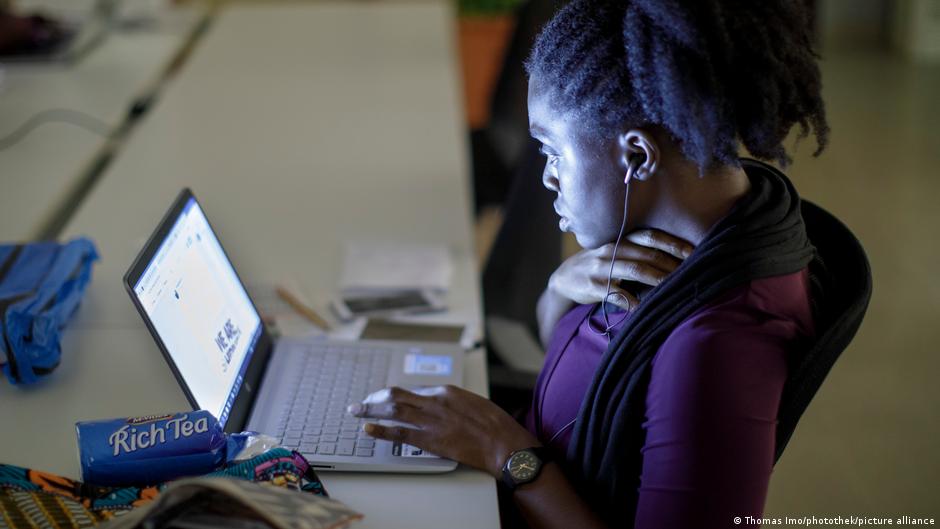
A comprehensive study conducted by the Centre for Information Integrity in Africa (CINIA) at Stellenbosch University, supported by DW Akademie, has identified significant deficiencies in how artificial intelligence is reported across Kenya and South Africa. The research, titled "AI in the Media: Kenya and South Africa", analysed 57 articles and incorporated two rounds of journalist interviews conducted between 2021 and 2026. The findings indicate that current coverage is predominantly reactive, siloed, and fails to engage with the multidimensional societal impacts of the technology.
The report notes that AI reporting in these regions is frequently triggered by crises or scandals rather than driven by proactive public-interest journalism. Consequently, articles tend to be framed as isolated business, security, or technology stories, with little interrogation of the geopolitical dimensions or broader structural implications. This approach results in a narrative landscape that lacks depth and often overlooks the specific realities of the African context, including digital exclusion and infrastructure deficits.
Eight substantive themes emerged from the analysis, ranging from AI’s potential for development and inclusion to its role in disinformation and political manipulation. Other identified themes include data colonialism, workforce displacement, and the environmental costs of AI infrastructure. While optimistic narratives regarding educational and healthcare improvements exist, they are often balanced by concerns over data extraction by tech companies based in the Global North and China, reflecting ongoing power dynamics and exploitation concerns.
Structural and professional barriers within newsrooms further constrain the quality of reporting. Journalists cited technophobia among senior editors, fear of job displacement, and under-resourcing as significant obstacles to in-depth coverage. The study also highlighted a knowledge gap among editorial staff, which allows technology companies to fill the void with favourable copy, thereby shaping narratives without sufficient critical scrutiny or local contextualisation.
Coverage frequently mirrors international narratives about the AI arms race between the United States and China, with insufficient adaptation to African realities such as language marginalisation and limited access to digital services. The report recommends practical steps to deepen reporting, emphasising the need for more robust policy frameworks within newsrooms and a shift away from crisis-driven journalism towards a more nuanced understanding of AI’s impact on governance, ethics, and social change.
The research was led by Herman Wasserman, Professor of Journalism and Director of CINIA, alongside Karen Allen, a senior researcher and former BBC correspondent. Their work underscores the urgent need for African media to develop independent analytical frameworks that address the specific challenges and opportunities presented by artificial intelligence, rather than relying on imported perspectives that may not reflect local institutional and policy environments.