Student protests reignite in New Delhi following police crackdown on parliament march
The Cockroach Janta Party-led demonstrations have escalated into calls for Prime Minister Narendra Modi’s resignation, with the government maintaining a stance of non-engagement despite mounting public unrest.
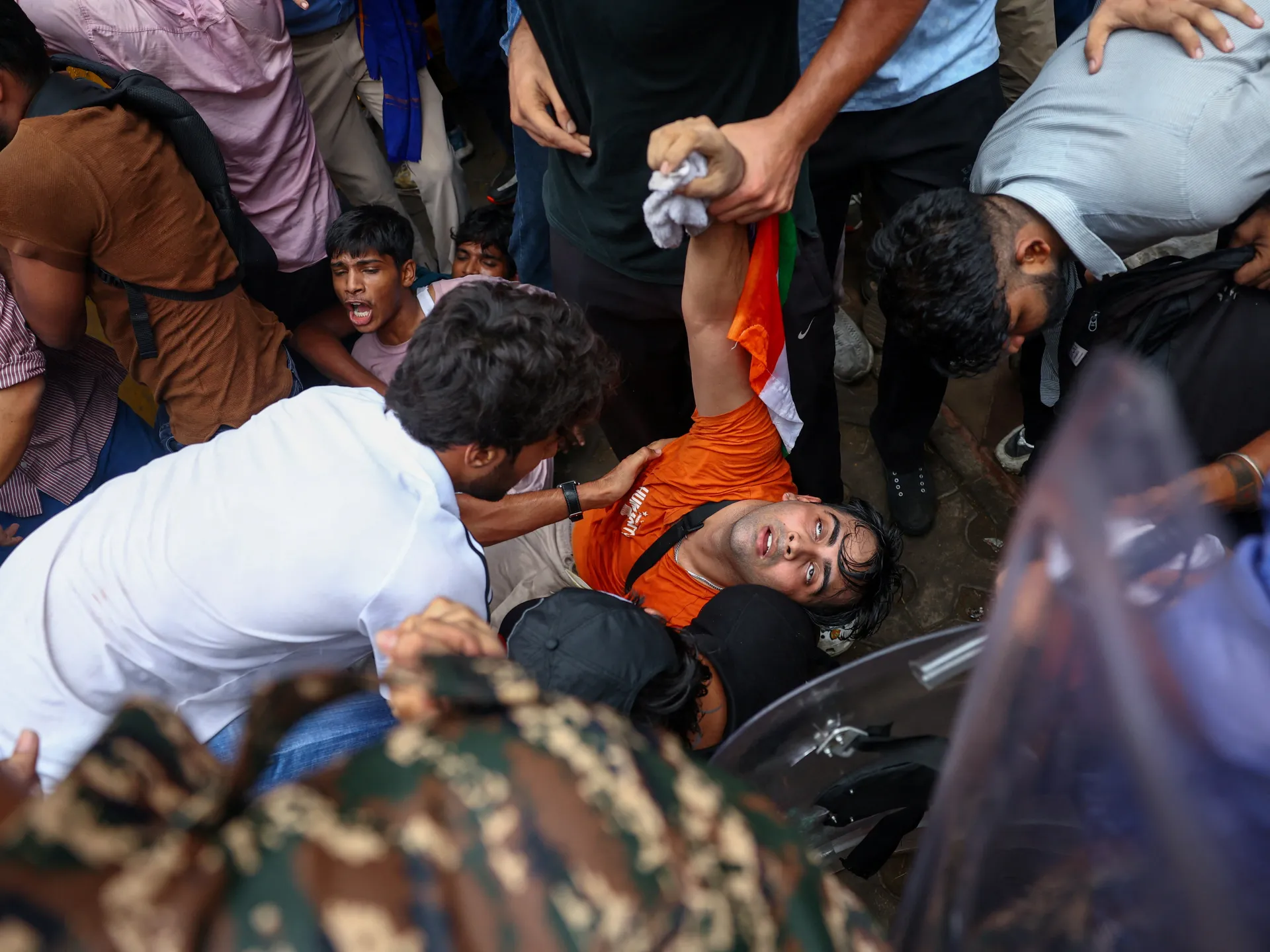
Thousands of student protesters have returned to New Delhi on Tuesday, resuming their occupation near Jantar Mantar following a violent police crackdown on Monday that left more than 100 individuals injured. The demonstrations, organised by the Cockroach Janta Party (CJP), were initially directed at Parliament Street and Connaught Place, where demonstrators sought to pressure the government over compromised national entrance examinations.
The aftermath of the Monday march revealed scenes of significant disruption, with blood spots on walls, overturned barricades, and scattered personal belongings marking the area. Delhi police have filed at least five criminal cases against protesters, citing allegations of violence, stone-throwing, and vandalism during the attempt to reach the parliament complex. Despite the physical toll on demonstrators, including students with bandaged limbs, the CJP leadership has pledged to maintain the sit-in.
Central to the protesters’ demands is the immediate resignation of Education Minister Dharmendra Pradhan, following revelations of leaked exam papers and wrongful grading that have contributed to at least 20 student suicides. The movement also requires the release of activist Sonam Wangchuk, who was forcibly removed from the protest site and restricted to a government-run hospital. Wangchuk, who had paused his hunger strike, announced plans to resume it following the police brutality witnessed during the march, although the Delhi High Court has refused to grant immediate relief regarding his detention.
Political engagement between the protesters and the government has yielded little progress. CJP spokespeople reported a meeting with Health Minister JP Nadda, which they described as a waste of time after waiting four hours for a ten-minute audience. Nadda stated the meeting was cordial and urged protesters to end their sit-in to restore normalcy, while the CJP maintained that their three core demands—Pradhan’s resignation, Wangchuk’s discharge, and compensation for bereaved families—remain unaddressed.
Prime Minister Narendra Modi has not publicly addressed the escalating unrest, despite being present in parliament near demonstrators at one point. Political analysts note that the government’s refusal to concede to demands reinforces criticisms of authoritarian governance. The protests, which have coalesced around the CJP moniker adopted from a controversial remark by the Chief Justice, have expanded beyond exam integrity to include direct calls for the Prime Minister’s resignation, presenting a significant challenge to the administration’s stability.