Student abductions in Borno and Oyo states expose governance gaps in rural Nigeria
Dozens of pupils were taken in Borno State in an incident bearing the hallmarks of Boko Haram, while a separate abduction occurred in Oyo State, prompting calls for urgent government intervention.
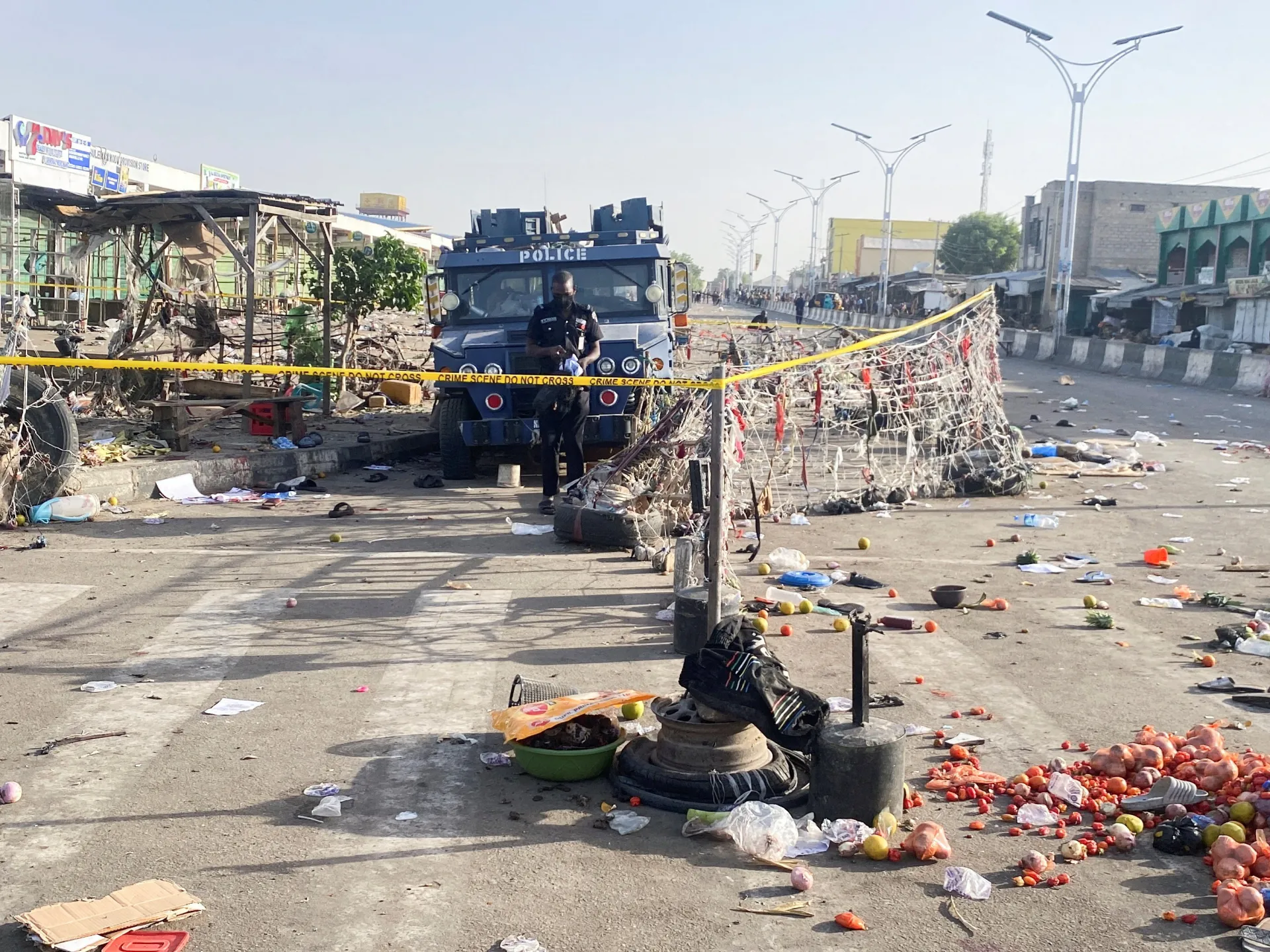
Gunmen abducted dozens of students from Mussa Primary and Junior Secondary School in Askira-Uba Local Government Area, Borno State, on Friday morning. The attack occurred at approximately 09:00 local time while classes were in session, with armed attackers arriving on motorcycles. Ubaidallah Hasaan, a resident near the school, confirmed to Reuters that many students were taken, although some managed to escape into the surrounding bushes.
The incident bears the hallmark of the Boko Haram group, although no organisation has claimed responsibility. The community of Mussa is located near the Sambisa Forest, a longstanding stronghold of rebel fighters who have waged a campaign of violence in northeast Nigeria for more than a decade. Borno State and neighbouring areas have seen repeated attacks on schools and communities despite ongoing military operations, raising concerns about persistent security gaps in rural areas.
In a separate incident on the same day, gunmen abducted students at Baptist Nursery and Primary School in the southwestern state of Oyo. Oyo State authorities have ordered school closures in the affected area and launched a police manhunt for the abductors. The simultaneous nature of the attacks in the north-east and south-west has intensified scrutiny over the government’s ability to protect educational institutions across the country.
Local lawmaker Midala Usman Balami described the Borno attack as heartbreaking and urged authorities to act swiftly. Nigeria, Africa’s most populous country, has been battling an armed rebellion for 17 years, initiated by Boko Haram’s 2009 uprising. Mass kidnappings have become a common tactic for armed groups and gangs to generate revenue, particularly in rural areas with minimal state presence.
Analysts and public servants have warned of a potential increase in attacks since 2025, particularly in rural areas with limited government presence. Gimba Kakanda, a Nigerian writer and public servant, told Al Jazeera that the expansion of territory in which these groups operate matters because insurgencies are sustained not by ideology alone, but by terrain, supply routes, local economies, and the ability to move men and materiel through spaces where the state is weak or absent.
Kakanda noted that violence in northern Nigeria is sustained by a combination of doctrinal extremism, chronic poverty, educational exclusion, and a state whose presence is often too limited to command confidence in the communities where armed groups seek recruits. This follows a previous incident a few weeks ago, where gunmen raided an orphanage in Lokoja, Kogi State, kidnapping at least 23 children from an isolated area.