Structural neglect and censorship define response to Black Sea oil disaster
Repeated strikes on Tuapse infrastructure in April triggered refinery fires and widespread pollution, exposing gaps in Russia's war economy and international legal frameworks
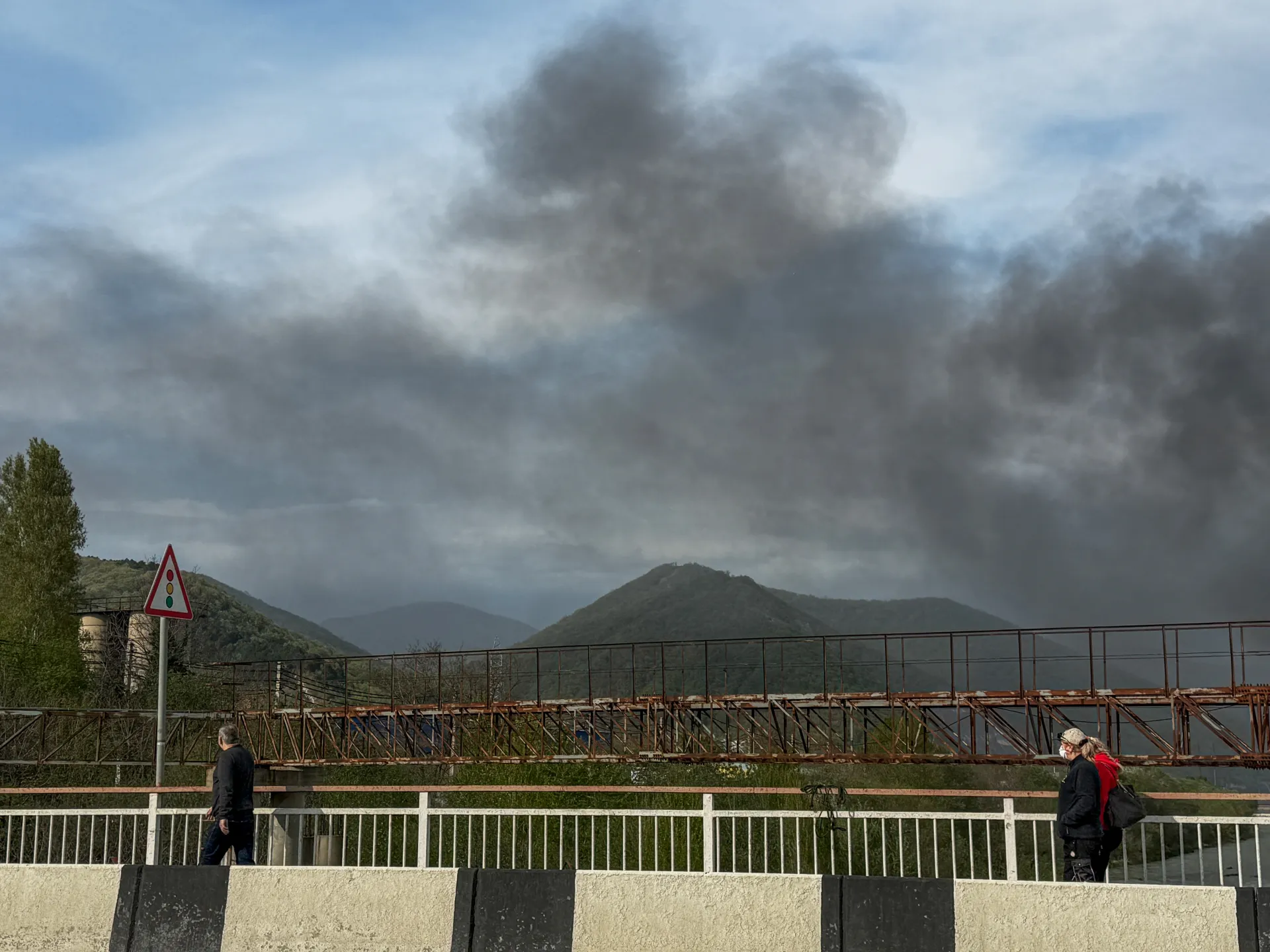
Repeated Ukrainian strikes on oil infrastructure in Tuapse during April 2026 ignited massive refinery fires and caused significant oil spills along Russia's Black Sea coast. The contamination spread rapidly towards Sochi, resulting in widespread pollution, the death of wildlife, and the deposition of petroleum residue that locals described as "black rain" falling from the sky.
In the aftermath, Russian authorities have focused less on addressing the scale of the catastrophe than on silencing those speaking out about it. Despite the ongoing environmental damage, officials are already discussing reopening the beaches to launch the tourist season, while volunteers attempting to rescue wildlife report facing obstruction and harassment. Journalists documenting the situation have faced detention, and the space to discuss the event remains tightly controlled.
This incident highlights a structural lack of environmental oversight within Russia's war economy, where safeguards have been increasingly cancelled to sustain military production. Recent legislative changes affecting the protection of Lake Baikal are cited as part of a broader trend of deregulation that has intensified during the full-scale invasion. For years, independent environmental movements have been dismantled, with organisations labelled as "foreign agents" or "undesirable," forcing activists into exile.
The catastrophe has triggered an unusual wave of discussion within Russia itself, much of it unfolding on banned platforms like Instagram via VPNs. Rather than turning primarily into accusations against Ukraine, much of this discourse has been directed at the Russian authorities, questioning the lack of coordination and the political system that allows such crises to occur. This represents a rare channel through which criticism can surface in a country where even calling the conflict a war is effectively prohibited.
The event underscores a fundamental gap in international law regarding large-scale environmental destruction during wartime. Ukraine has been a leading advocate for recognising ecocide as an international crime, yet the concept remains uncodified. Previous conflicts, such as the destruction of the Kakhovka Dam, caused massive ecological damage without generating sustained international legal or political accountability.
Long-term health impacts on local populations from the residue remain unquantified due to restricted access and censorship, while the precise timeline for declaring the beaches safe for tourism is unclear. The situation exposes a deep sense of helplessness regarding how root causes are addressed, with international attention often absorbed by larger geopolitical narratives rather than the political and economic structures sustaining environmental destruction inside Russia.