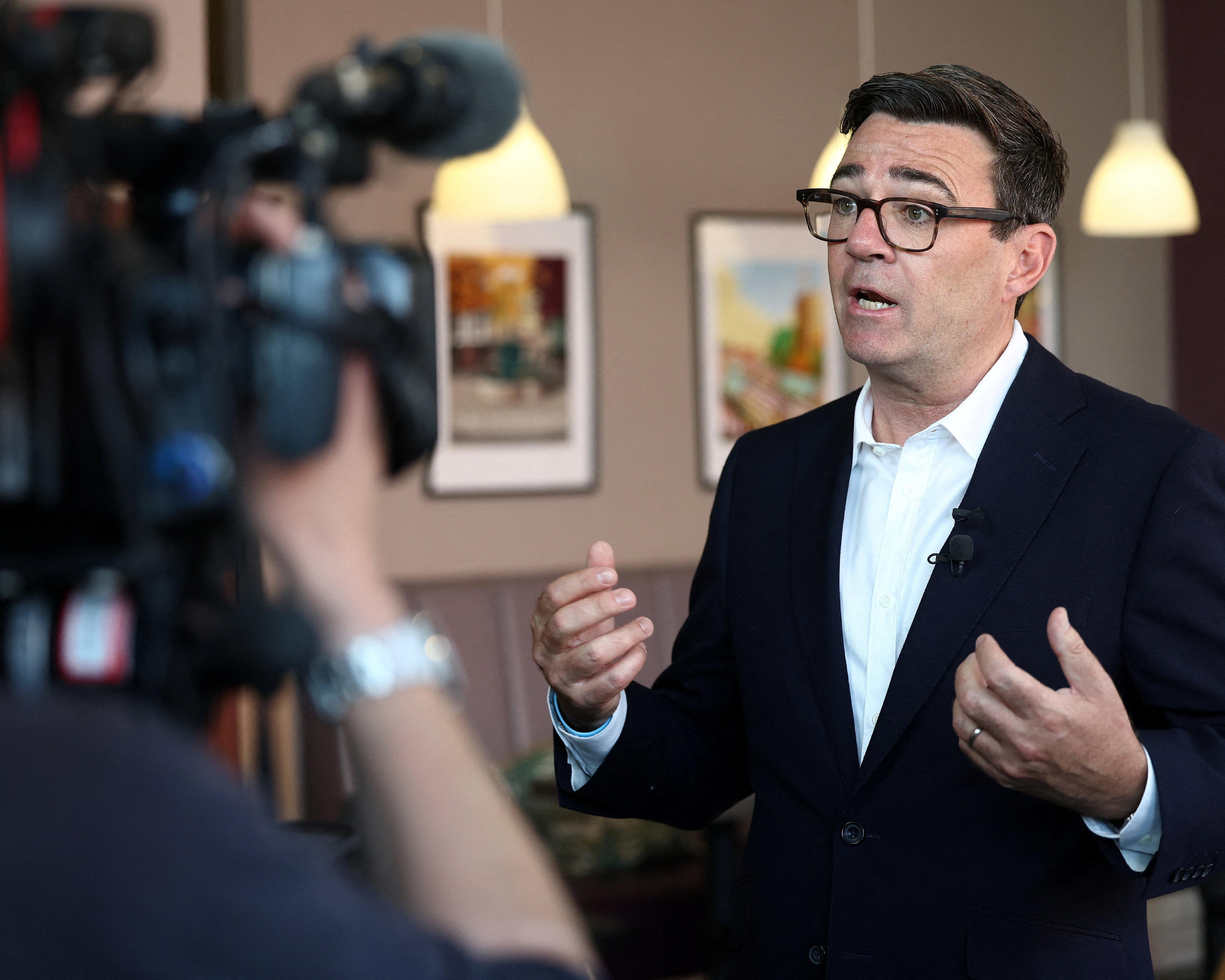
Streeting Ties Defence Spending to Reindustrialisation Amid Policy Shift
Speaking at the Farnborough airshow, Streeting reaffirmed the Burnham government’s commitment to raise defence spending to 3.5% of GDP by 2035, a target supported by Chancellor John Healey.

New UK Defence Secretary Wes Streeting has declared that increased military expenditure will make an "enormous contribution" to economic growth and reindustrialisation, positioning the armed forces as a primary spending priority for Prime Minister Andy Burnham’s government. Speaking at the Farnborough airshow, Streeting acknowledged that the shift in fiscal focus would create "opportunity costs across government," but insisted that the Ministry of Defence must demonstrate it is spending existing resources wisely to justify the investment.
The announcement aligns with Burnham’s pledge to raise defence spending from 2.6% to 3.5% of gross domestic product by 2035, a trajectory that implies a real-terms increase of more than £25bn over less than a decade. Chancellor John Healey, a former defence secretary who resigned from the previous administration over spending disputes, now supports the target, signalling a strong alignment between No 10 and the Treasury in rebalancing the UK economy towards defence. This marks a notable departure from traditional Labour priorities, which have historically favoured spending on health and education.
During his address, Streeting unveiled the first British prototype "loyal wingman" drone, designed and assembled by BAE Systems in Warton, Lancashire. The mini jet, costing approximately £15m, is intended to operate in groups around a controlling Typhoon fighter to enhance reconnaissance capabilities. Streeting stated that the government’s goal is to provide the arms industry with "clarity and confidence," contrasting with the instability that contributed to the fall of the previous leadership.
Despite the enthusiasm from the defence sector, critics argue that military spending is an inefficient mechanism for job creation compared to other forms of state investment. A thinktank study suggested that infrastructure cuts required to fund the new defence plan could cost the UK 10,000 jobs, while other research indicates that investing in health generates more growth per pound spent than defence. Streeting did not address these concerns directly, focusing instead on the potential for defence investment to transform lives and support growth in every postcode.
In a separate briefing, Streeting addressed his previous comments regarding Israel’s conduct in Gaza and the West Bank, reaffirming his stance that the country had "fallen short" of international standards. While he strongly supported Israel’s right to self-defence, he stated that he holds the nation to the same standard applied to the UK. Streeting was appointed shortly before 11pm on Monday, replacing Dan Jarvis after an "agonising wait," having previously resigned as health secretary in May.