Streeting cites institutional progress amid online criticism of first openly gay defence secretary
The new defence secretary frames his appointment as a test of institutional resilience, contrasting minimal mainstream media attention with a surge in digital hostility.
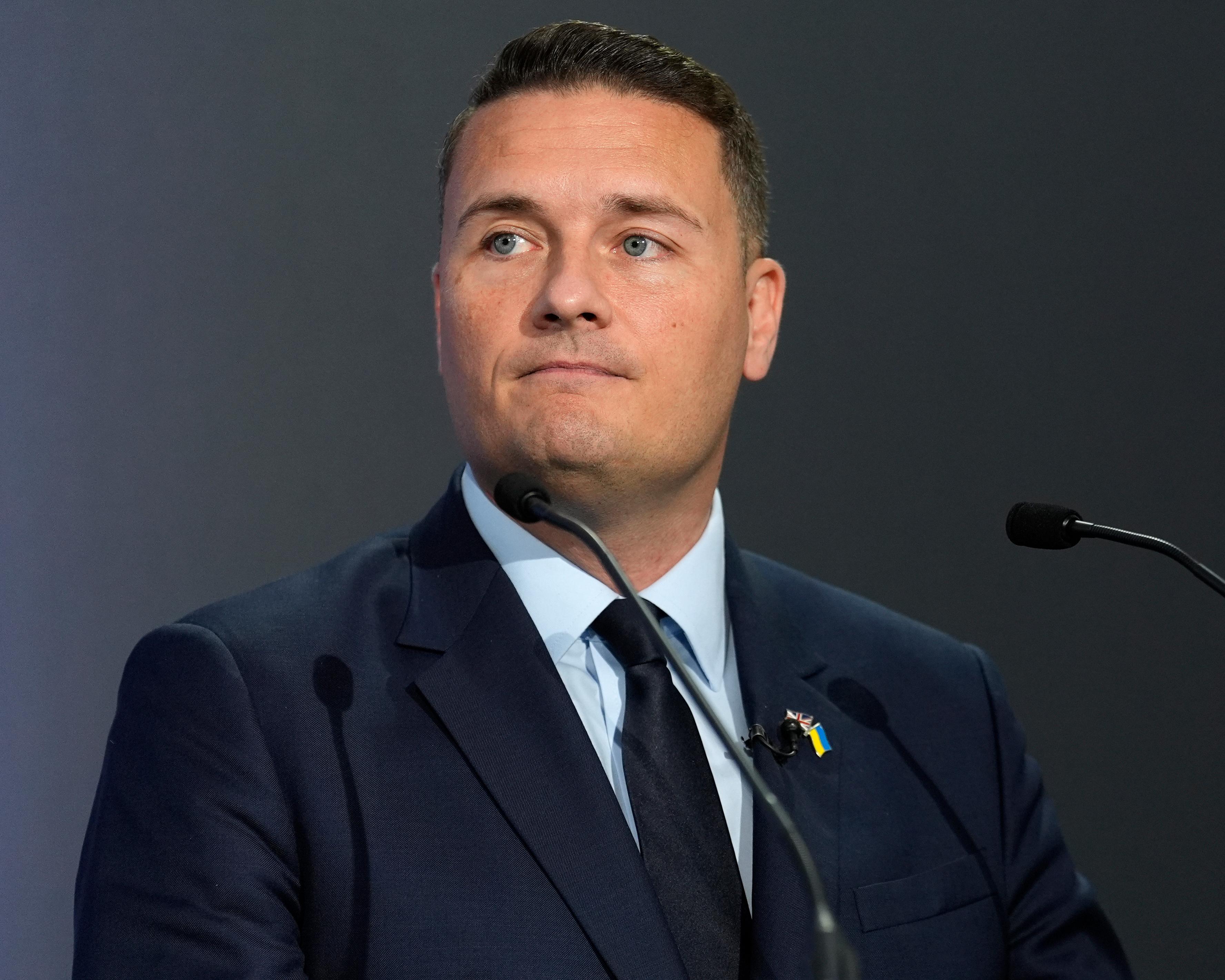
Wes Streeting, the first openly gay UK defence secretary, has characterised his tenure as a period of significant institutional contrast. Speaking on the All Talk podcast, Streeting noted that while his sexuality was largely unremarked upon in mainstream media, it has provoked a substantial volume of online criticism since his appointment last month.
Streeting described the digital response as an “unbelievable volume” of homophobic abuse, suggesting that some observers struggle with the concept of a gay individual leading the United Kingdom’s armed forces. He framed his position as an opportunity to demonstrate strength and challenge stereotypes that he described as persisting in the “dark corners of the internet.”
The appointment follows a long history of exclusion within the Ministry of Defence. Until 2000, gay men and lesbian women were banned from serving in the UK military, with an estimated 200-plus personnel discharged each year due to their sexuality. Streeting highlighted this trajectory, noting the shift from a formal ban to his current leadership role as a marker of progress for the LGBT community.
Institutional support for this shift is evident in recent policy measures. The Keir Starmer government established the LGBT Financial Recognition Scheme in 2024, allowing personnel dismissed or discharged under the 1967–2000 ban to apply for payments of up to £70,000. However, the scheme has faced scrutiny, with some MPs raising concerns over the slow pace of claim processing and two veterans initiating legal action regarding lower payments for those forced to resign rather than being formally dismissed.
Streeting also pointed to internal morale within the Ministry of Defence, recounting an interaction in his first week where an employee expressed pride in having a gay defence secretary. The unnamed personnel member cited the appointment as a meaningful change for those who remembered the earlier era of exclusion.
The role also involves diplomatic liaison with the United States, where defence secretary Pete Hegseth has recently unveiled plans to test US service personnel for testosterone levels. Hegseth, a noted opponent of equality and inclusion initiatives, previously ordered the renaming of a US navy ship named after Harvey Milk, a gay rights activist and navy veteran.