Strategic stability tested as US and Iran exchange fire in Strait of Hormuz
CENTCOM confirms interception of Iranian attacks while Tehran alleges US strikes on vessels and coastal areas; energy markets react to renewed volatility
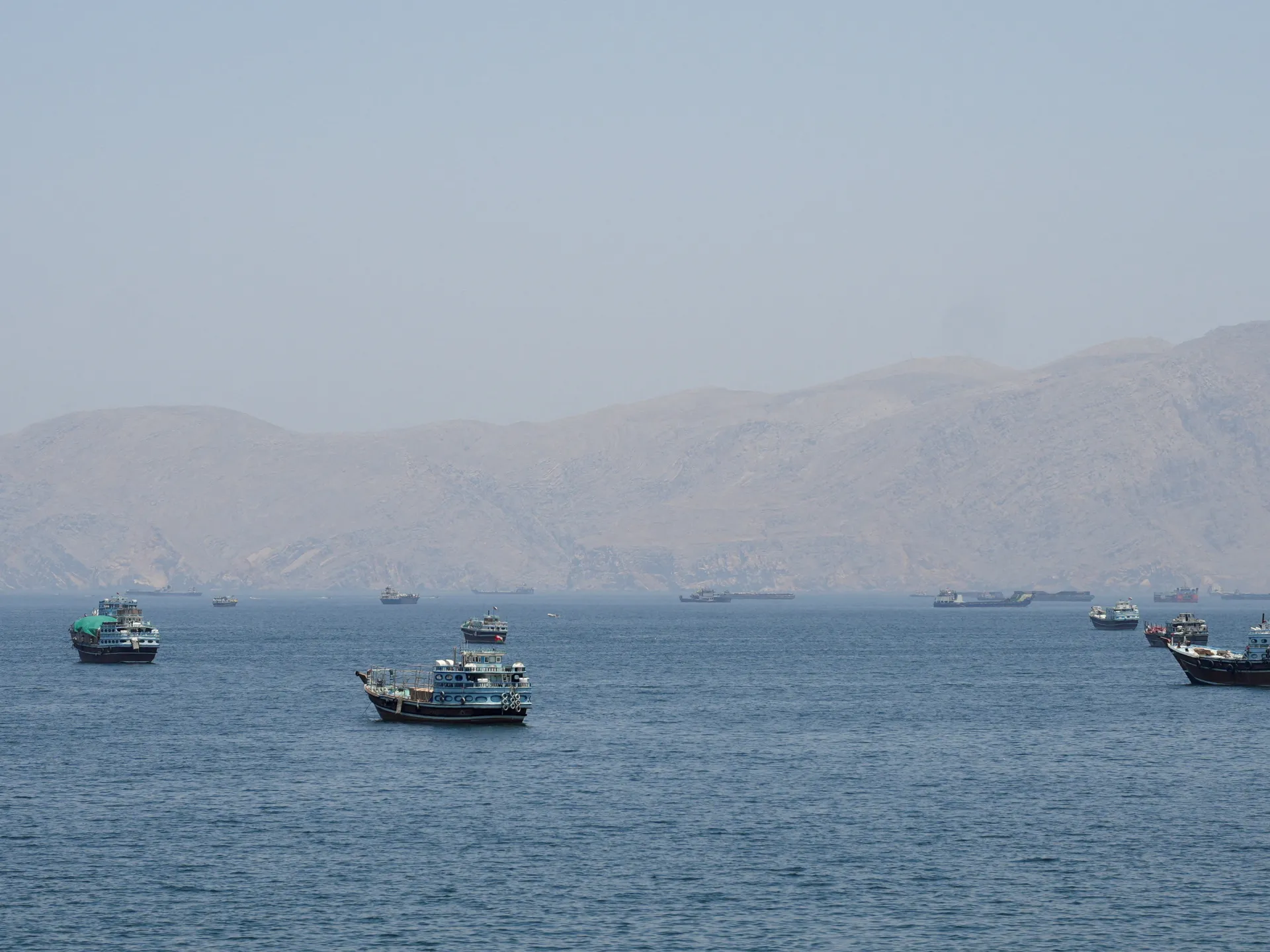
On the seventy-day mark of the ongoing conflict, the United States and Iran have engaged in a direct exchange of fire within the strategically critical Strait of Hormuz. The incident marks a significant test of the ceasefire formally announced on 7 April, with both nations issuing immediate and contradictory accounts of the engagement.
Iranian state media has reported explosions on Qeshm Island, a location analysts identify as the primary platform for Tehran's asymmetric naval power at the entrance to the waterway. Reports indicate that air defence systems intercepted several drones over the area, while Tehran accuses the United States of breaching the truce by targeting two ships and striking civilian areas along its southern coast.
In response, US Central Command (CENTCOM) stated that its forces intercepted what it described as unprovoked Iranian attacks involving missiles, drones, and small boats. The command confirmed that its actions were self-defence strikes taken to neutralise the threat posed by the incoming projectiles.
The escalation occurs against a backdrop of conflicting diplomatic signals. US President Donald Trump recently indicated that a peace deal could be within reach following what he termed very good talks with Tehran. However, this optimism is juxtaposed with a simultaneous warning that the United States would resume bombing operations if a deal is not secured.
The operational hazards in the region appear to undermine diplomatic progress, evidenced by the suspension of a ship-guidance operation less than forty-eight hours after the announcement of peace talks. This disconnect between high-level negotiations and on-the-ground military activity highlights the fragility of the current ceasefire framework.
Market volatility followed the exchange of fire, with Brent crude futures surging by up to 7.5 per cent. This reaction underscores the sensitivity of global energy markets to disruptions in the Strait of Hormuz, a critical conduit for international oil supplies.