Strait of Hormuz tensions escalate as US and Iran trade strikes on 100th day of conflict
Diplomatic efforts led by Pakistan’s Interior Minister Mohsin Naqvi struggle to stabilise a fragile ceasefire as violence spreads to Lebanon.
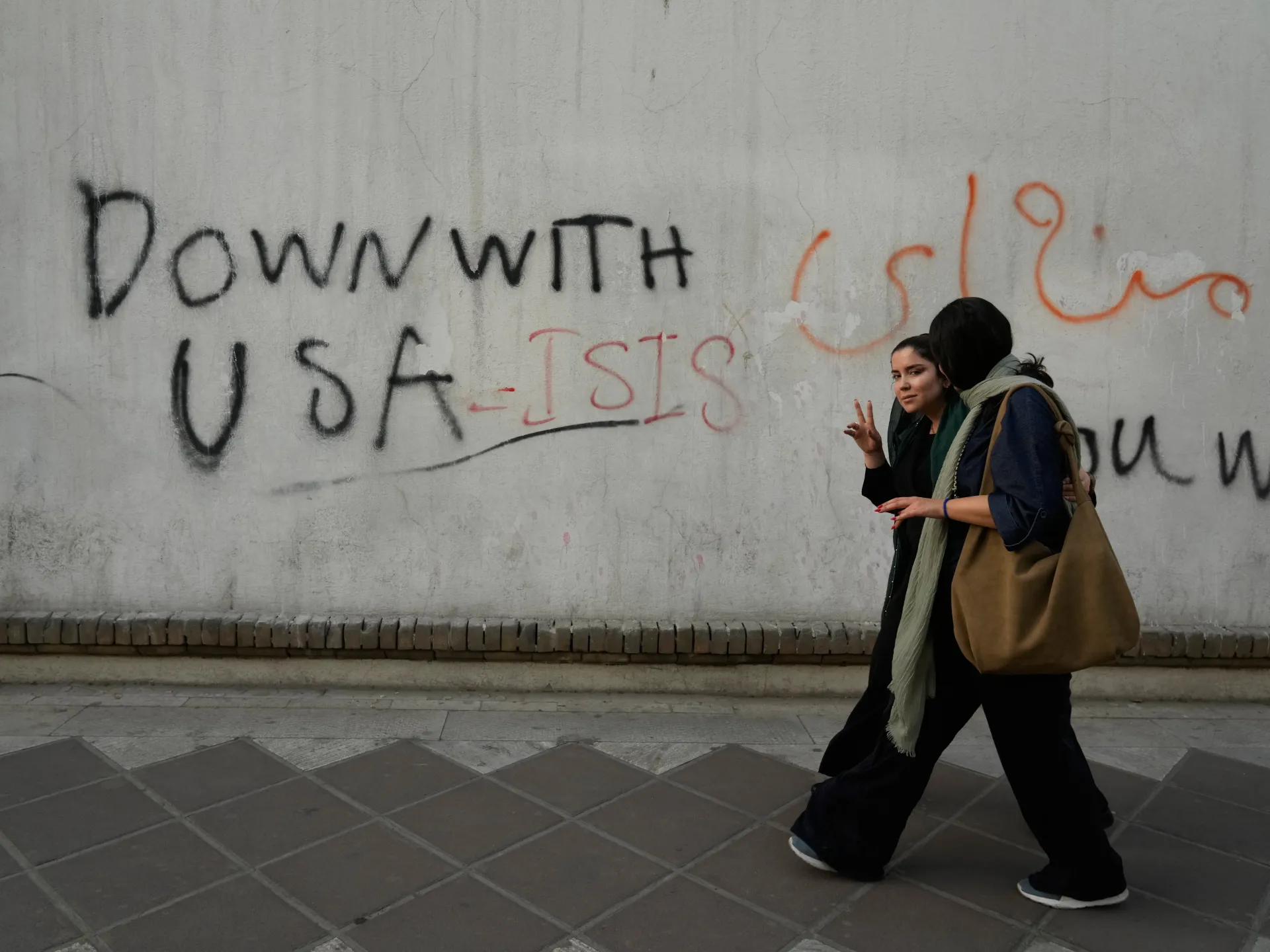
Tensions between the United States and Iran intensified significantly on the 100th day of the conflict, following a series of military exchanges that have further undermined a fragile ceasefire. The United States Central Command (CENTCOM) confirmed on Saturday that it had shot down a pair of Iranian drones threatening the Strait of Hormuz, a critical chokepoint for international maritime traffic and Gulf energy exports.
In direct response to the aerial interception, Iran launched a salvo of missiles targeting the US allies Bahrain and Kuwait. The strikes drew immediate condemnation from Gulf nations and placed additional pressure on a ceasefire agreement that was initially agreed upon on 8 April. The escalation marks a significant deterioration in the security landscape, with diplomatic channels struggling to contain the violence.
The conflict, which commenced with joint strikes on Tehran on 28 February 2026, has seen weeks of indirect talks fail to secure a comprehensive peace deal. Key points of contention, including the status of the Strait of Hormuz and Iran’s nuclear programme, continue to derail negotiations. Despite these stalled efforts, Pakistan’s Interior Minister, Mohsin Naqvi, arrived in Tehran on Saturday as part of new diplomatic initiatives aimed at de-escalating the situation.
Parallel to the direct US-Iran hostilities, violence continued in Lebanon, where an Israeli strike on a military vehicle in the south resulted in casualties. According to the Lebanese army, the attack killed two Lebanese army officers and one soldier. This development highlights the broader regional instability, with multiple actors engaged in simultaneous conflicts that complicate any potential diplomatic resolution.
As the 100th day of the war concludes, the combination of military strikes, a broken ceasefire, and stalled diplomatic talks suggests that the path to stabilising the region remains uncertain. The ongoing violence in the Strait of Hormuz and Lebanon underscores the persistent risks to global security and regional stability.