Strait of Hormuz Standoff Enters Fourth Month as Economic Costs Mount for US and Iran
Diplomatic efforts led by Pakistan stall while both nations face domestic pressure, with Iran enduring hyperinflation and the US confronting recession fears ahead of mid-term elections.
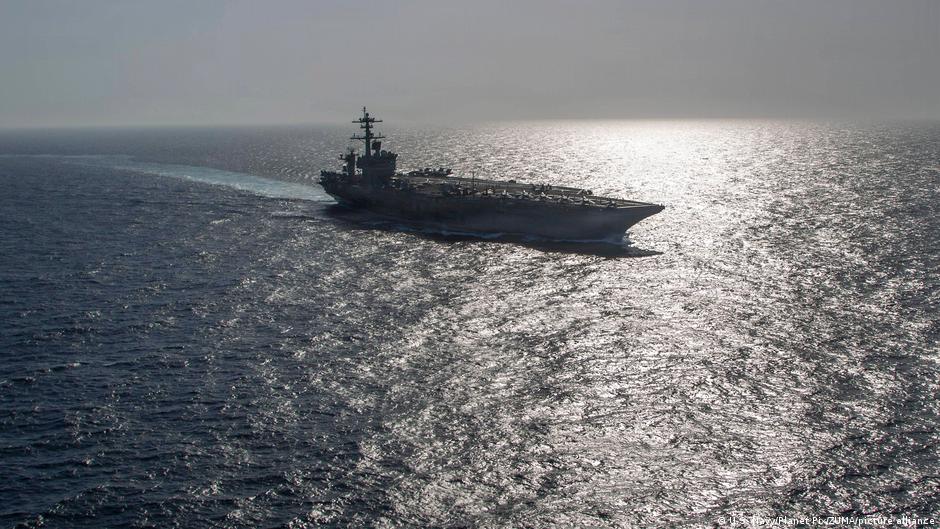
The crisis in the Strait of Hormuz has persisted for four months, defined by a mutual blockade between the United States and Iran. Tehran has instituted passage tolls of up to US$2 million for safe transit, while the US maintains a naval embargo on Iranian oil exports. This deadlock has severely impacted both economies; Iran has incurred an estimated US$17 billion loss in public finances, alongside domestic hardships including inflation exceeding 54% and an internet blackout lasting over 80 days. Conversely, the US faces rising inflation and recession risks, with economic confidence hitting its lowest level since 2022. Gulf states, including Saudi Arabia, the UAE, and Qatar, are advocating for restraint and supporting Pakistan-led mediation to reopen the strait without tolls, warning that the frozen conflict jeopardises their economic diversification away from fossil fuels.
Miad Maleki, a senior fellow at the Foundation for Defense of Democracies, estimates that Iran is losing approximately US$435 million per day in trade, with nearly two-thirds derived from crude oil exports. This figure translates to the US$17 billion loss in public finances over the 39-day blockade period. Burcu Ozcelik, a senior research fellow at the Royal United Services Institute, noted that while Iran has gained leverage through missile attacks, its economy is suffering significantly from disrupted oil exports. Ozcelik emphasised that despite Tehran’s rhetoric on regime resilience, the economy is not blockade-proof, and the country faces a protracted period of hardship regardless of future sanction relief.
In Washington, the political pressure is intensifying ahead of the November mid-term elections. The Gallup Economic Confidence Index dropped to -45 on 22 May 2026, marking the lowest level since 2022 and driven by widespread pessimism over current economic conditions and the Iran conflict. Only 16 percent of Americans view the economy as good or excellent. US Secretary of State Marco Rubio stated that the US requires a "Plan B" if Iran does not compromise, emphasising demands for the cessation of nuclear enrichment and full strait reopening. Rubio made these remarks to NATO foreign ministers in Sweden, highlighting the administration’s insistence on major concessions without immediate sanctions relief.
Dania Thafer, executive director of the Gulf International Forum, suggested that President Trump’s intermittent military threats may have backfired. She argued that Iran interprets these actions as a lack of US will to escalate, rather than a credible deterrent. Thafer noted that Iran’s ambitions extend beyond immediate war victory, seeking to reshape the regional order by pushing Gulf states to expel US influence and establish an Iranian security framework. However, this long-term strategy clashes with the immediate economic survival needs of the Iranian population, who are grappling with annual inflation above 54% and food prices that have doubled in some categories.
The Gulf states, including Saudi Arabia, the UAE, and Qatar, are increasingly frustrated with the deadlock. Privately, they have warned that a frozen conflict jeopardises their economic transition away from fossil fuels, having spent hundreds of billions on industrial and tourism projects. These nations are urging restraint and supporting Pakistan-led mediation efforts to reopen the strait without Iranian tolls. Despite fragile negotiations and a proposed one-page memorandum, neither side has blinked, leaving the region in a dangerous waiting game where civilian infrastructure risks remain high and diplomatic breakthroughs appear distant.