Strait of Hormuz shipping grinds to a halt as US-Iran ceasefire nears expiry
Geopolitical tensions escalate ahead of Monday’s deadline, with Iran rebuffing US territorial claims and reports of a ship strike adding to market uncertainty.
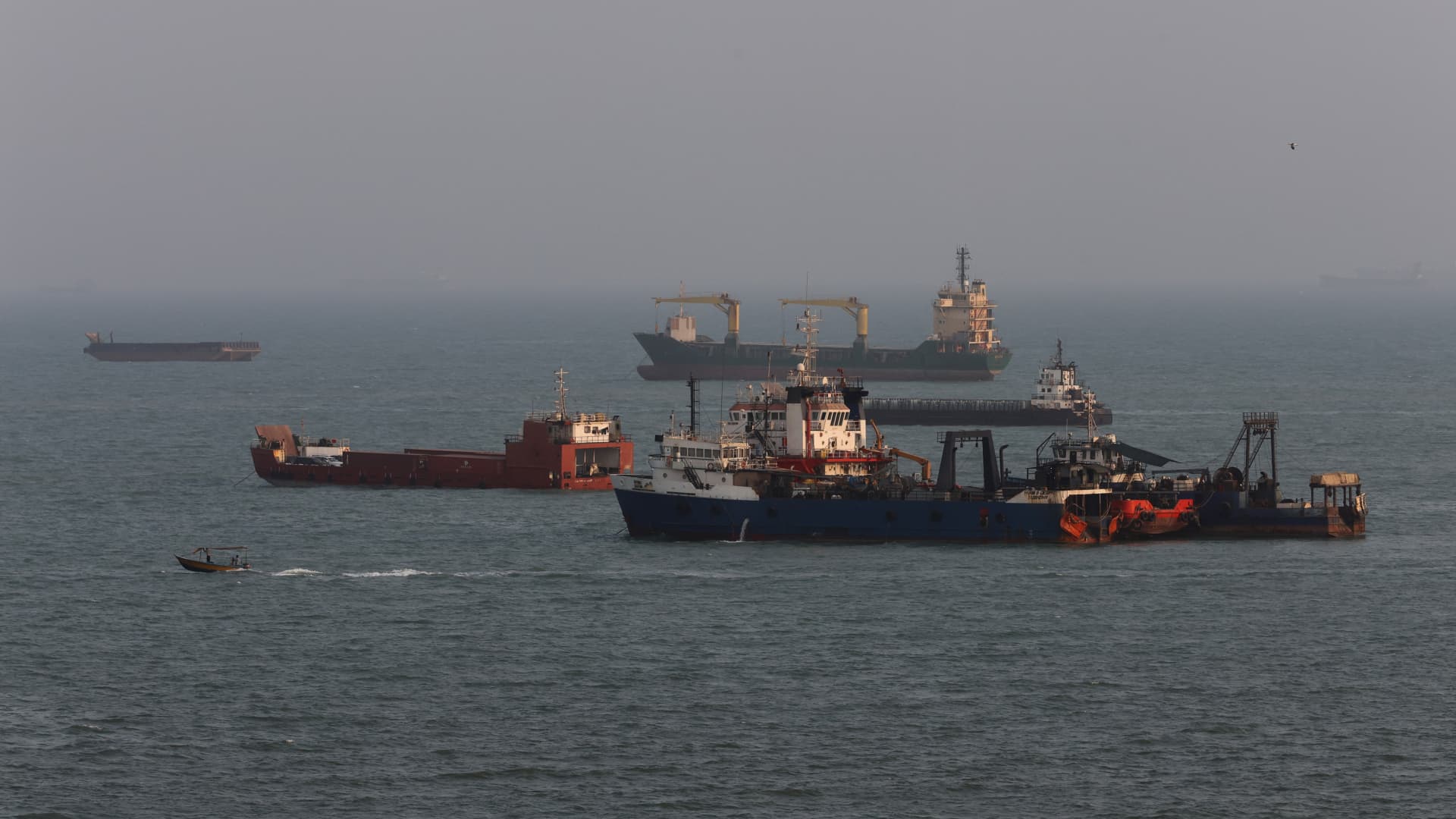
Shipping traffic through the Strait of Hormuz has sunk to a new low as the ceasefire between the United States and Iran approaches its expiration on Monday, with no replacement agreement currently in place. The halt in maritime movement underscores the deepening diplomatic impasse between the two nations as the window for a renewed deal closes.
The situation has been further complicated by recent geopolitical developments, including reports of a ship strike in the region. These incidents have contributed to a volatile environment for global energy markets, which rely heavily on the strategic waterway for the transport of crude oil and liquefied natural gas.
Tensions were heightened earlier this week when President Donald Trump declared an intention to designate the Strait of Hormuz as United States territory. The claim has been met with immediate resistance from Tehran, with Iran reportedly rebuffing the assertion. The conflicting positions have added a layer of political risk to an already fragile security situation in the Gulf.
CNBC reported on the sharp decline in shipping activity, noting that the lack of a new agreement leaves the region in a state of limbo. The absence of a diplomatic framework to succeed the current ceasefire has led to a significant reduction in commercial vessel movements through the chokepoint.
Analysts are closely monitoring the situation as the Monday deadline passes. The combination of halted shipping, unresolved territorial disputes, and the potential for further military escalation poses substantial risks to global supply chains and energy prices.