Strait of Hormuz closure risks 100 million barrels weekly loss, says Saudi Aramco
The CEO of Saudi Aramco has quantified the economic impact of a potential Strait of Hormuz shutdown, while President Trump's comments on the fragile peace deal with Iran contribute to rising oil prices.
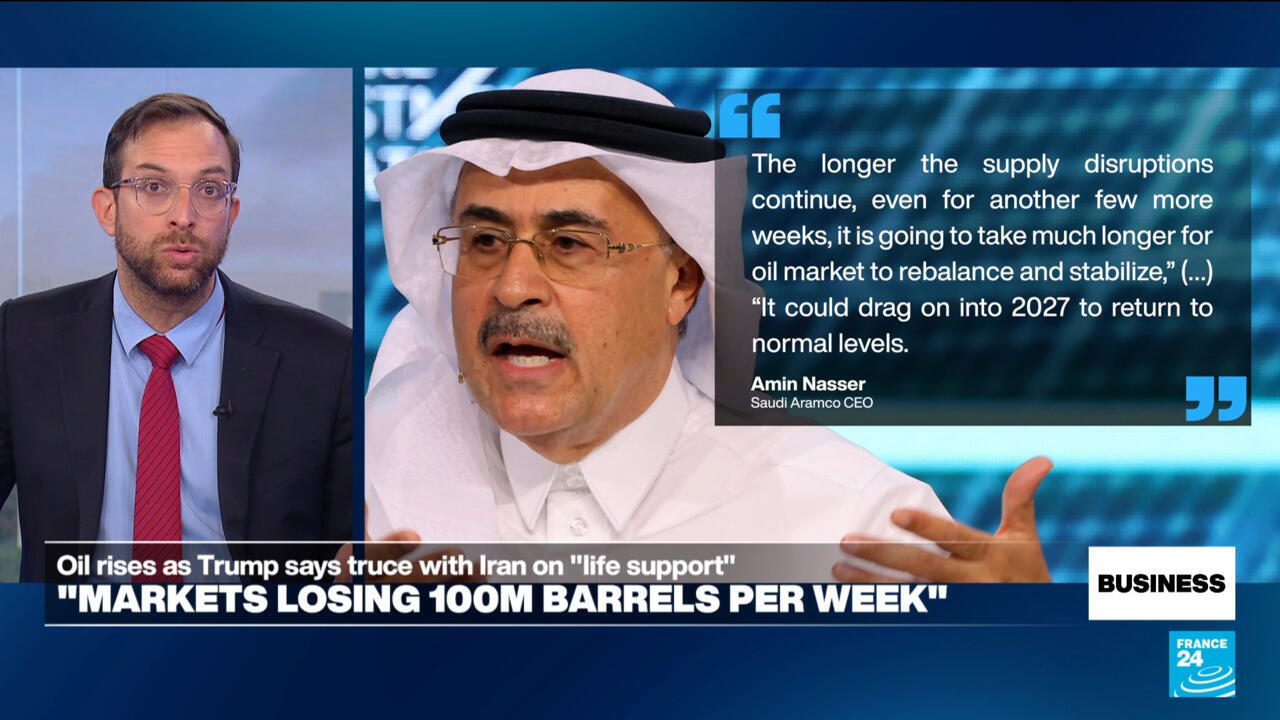
Global energy markets faced renewed pressure on Tuesday as the threat of closure at the Strait of Hormuz came into sharper focus. The CEO of Saudi Aramco, the world's largest oil company, stated that a shutdown of this critical shipping chokepoint would result in a loss of 100 million barrels of oil every week.
This assessment from the Saudi national oil giant underscores the severe vulnerability of global supply chains to regional instability. The Strait of Hormuz remains a vital artery for international energy trade, and any disruption poses an immediate risk to the flow of crude oil to markets worldwide.
Adding to the market volatility, US President Donald Trump remarked that the current ceasefire with Iran is "on massive life support". This characterisation of the diplomatic situation suggests that the truce is unstable and could collapse at any moment, further exacerbating fears of supply disruption.
The combination of these geopolitical developments has driven oil prices higher. Market observers note that the uncertainty surrounding both the physical security of the Strait and the political durability of the ceasefire is creating a challenging environment for energy consumers and traders alike.
In response to the rising costs, President Trump has expressed a desire to scrap the US federal gas tax. The administration argues that removing this levy will assist consumers in dealing with the financial impact of the ongoing tensions in the region.
While the focus remains on the energy crisis, other diplomatic proceedings continue elsewhere. King Charles's four-day state visit to the United States is proceeding as planned, despite a recent shooting incident at the White House. The itinerary includes a private meeting with the President, aiming to strengthen bilateral relations.