Strait of Hormuz blockade triggers energy and fertiliser crisis across Africa
Surging input costs and fuel shortages force African governments to consider emergency subsidies while AU explores long-term production strategies under AfCFTA
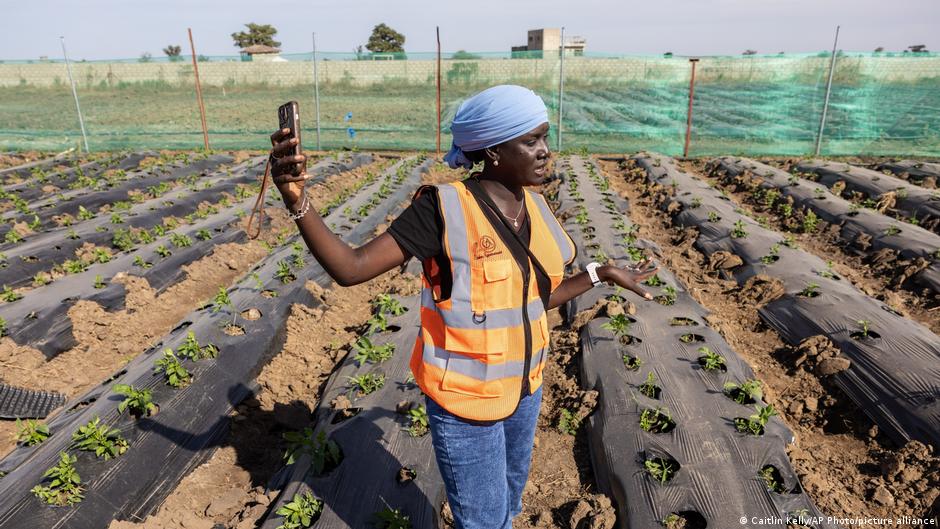
The ongoing blockade of the Strait of Hormuz has precipitated a severe crisis for African nations, disrupting maritime traffic essential for the import of fuel and chemical fertilisers. With merchant ships scarce in the strait for over two months, the continent faces critical shortages of kerosene, diesel, and ammonia, leading to flight cancellations, rolling blackouts, and the risk of national bankruptcies.
Market volatility has intensified the pressure on agricultural sectors, with ammonia prices in South Africa reported to be more than 75 per cent higher than a year ago, while urea prices have risen by approximately 60 per cent. These supply chain disruptions mirror the challenges faced during the 2022 conflict in Ukraine, prompting African institutions to operate in crisis mode to prevent famine and economic collapse.
Governments are already implementing emergency measures to mitigate immediate impacts. In The Gambia, authorities have allocated over €5.8 million in tax revenue to subsidise fuel costs, while Zimbabwe is blending fossil fuels with ethanol. Meanwhile, rolling blackouts are being enforced in Juba, South Sudan, to reduce output from oil-fired power plants, and diesel is being prioritised for public transportation in Ethiopia.
To address the fertiliser shortage, UN Secretary-General Antonio Guterres has called on warring parties to allow transit for developing countries through the strait, modelling the request on the Grain Agreement used during the Ukraine conflict. However, this initiative remains unimplemented, leaving African importers to explore alternative procurement strategies to secure supplies for the upcoming planting season.
Experts suggest that African nations could pool their fertiliser procurement efforts to leverage market power, a strategy supported by the African Development Bank. This approach aims to replicate the success of the European Union in securing vaccine supplies during the pandemic, ensuring that technical capacities and financing are not the primary barriers to implementation.
Looking toward long-term resilience, the Dangote Group is planning to open new urea plants in Nigeria and Ethiopia, while regional advocates push for large-scale industrial production hubs. The African Union believes that accelerated implementation of the African Continental Free Trade Area will facilitate the cross-border movement of goods, allowing select countries to supply the wider region and build more robust value chains.