Stellantis to deploy Mobileye Level 2 autonomous systems from 2027
The automotive giant will integrate EyeQ chips and Road Experience Management data to enable hands-free driving, marking a strategic shift in its advanced driver assist capabilities.
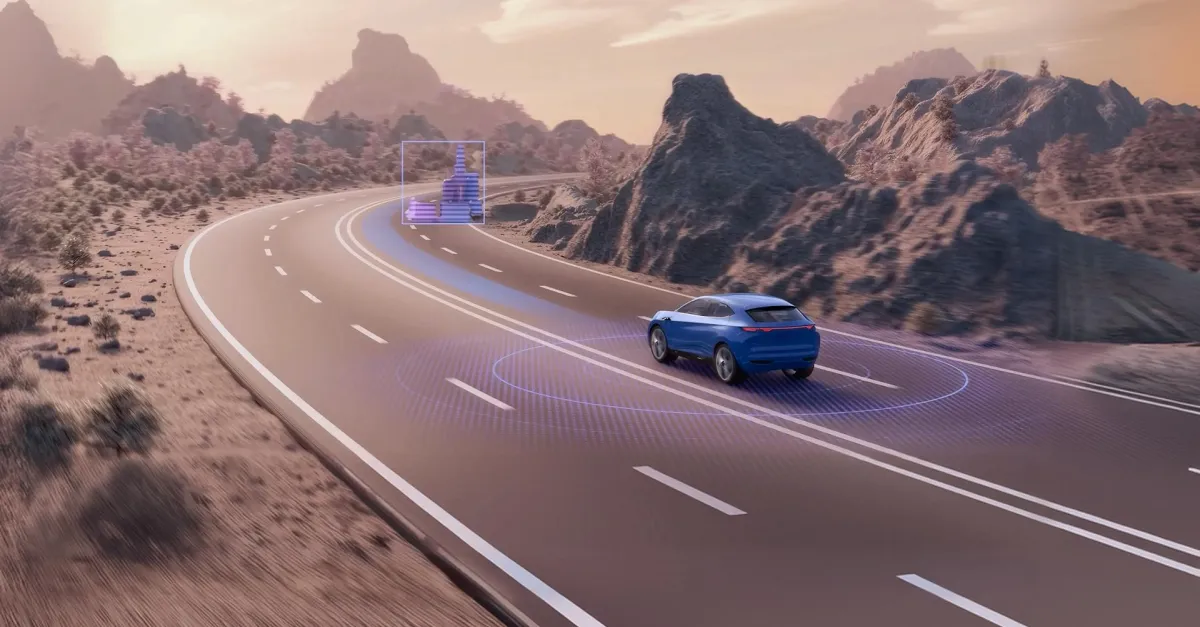
Stellantis has announced a partnership with Mobileye, a subsidiary of Intel, to integrate Level 2 hands-free driving technology into its vehicle lineup starting in 2027. The agreement centres on the use of Mobileye’s EyeQ system-on-a-chip and the Road Experience Management (REM) data crowdsourcing programme. This initiative aims to enhance the manufacturer's advanced driver assist systems (ADAS) by enabling intelligent lane keeping and hands-free operation in designated areas and conditions.
The REM programme utilises real-time data from Mobileye-equipped vehicles to construct a global 3D map, facilitating hands-free, eyes-on driving on unmarked roads. Mobileye reported that its network now covers more than 95 per cent of public roads in the United States and Europe. The company noted that over eight million vehicles have contributed data, collectively logging 34 billion miles in the previous year alone.
This collaboration significantly expands Mobileye’s data footprint, bringing the total number of the world’s ten largest automakers contributing to REM to five. The move underscores the growing importance of data crowdsourcing in the development of autonomous driving capabilities. Mobileye’s financial performance has reflected this momentum, with the company reporting revenue of $558 million in the first quarter of 2026, representing a 27 per cent year-over-year increase.
Stellantis, which owns brands including Jeep, Ram, Chrysler, Dodge, Fiat, Peugeot, and Citroën, did not immediately specify which of its marques will receive the Mobileye systems initially. The company has previously offered a "Hands-Free Active Driving Assist" feature in select Jeep and Ram models but has been less aggressive in adopting this technology compared to rivals such as Ford and General Motors.
The automotive sector is increasingly viewing ADAS as a significant revenue stream, with estimates predicting the market could reach $90 billion over the next decade. While these systems are often perceived as convenience features for highway driving, they are also seen as a precursor to higher levels of automation. Stellantis is simultaneously developing a separate "hands-free, eyes-off" system called STLA AutoDrive in partnership with UK-based self-driving company Wayve, which is expected to launch in 2028.