Starmer to unveil under-16 social media ban amid legal and privacy concerns
Prime Minister Keir Starmer is set to announce a ban on under-16s accessing high-risk social media applications, alongside restrictions on 'safe' platforms and a prohibition on romantic AI chatbots for under-18s.
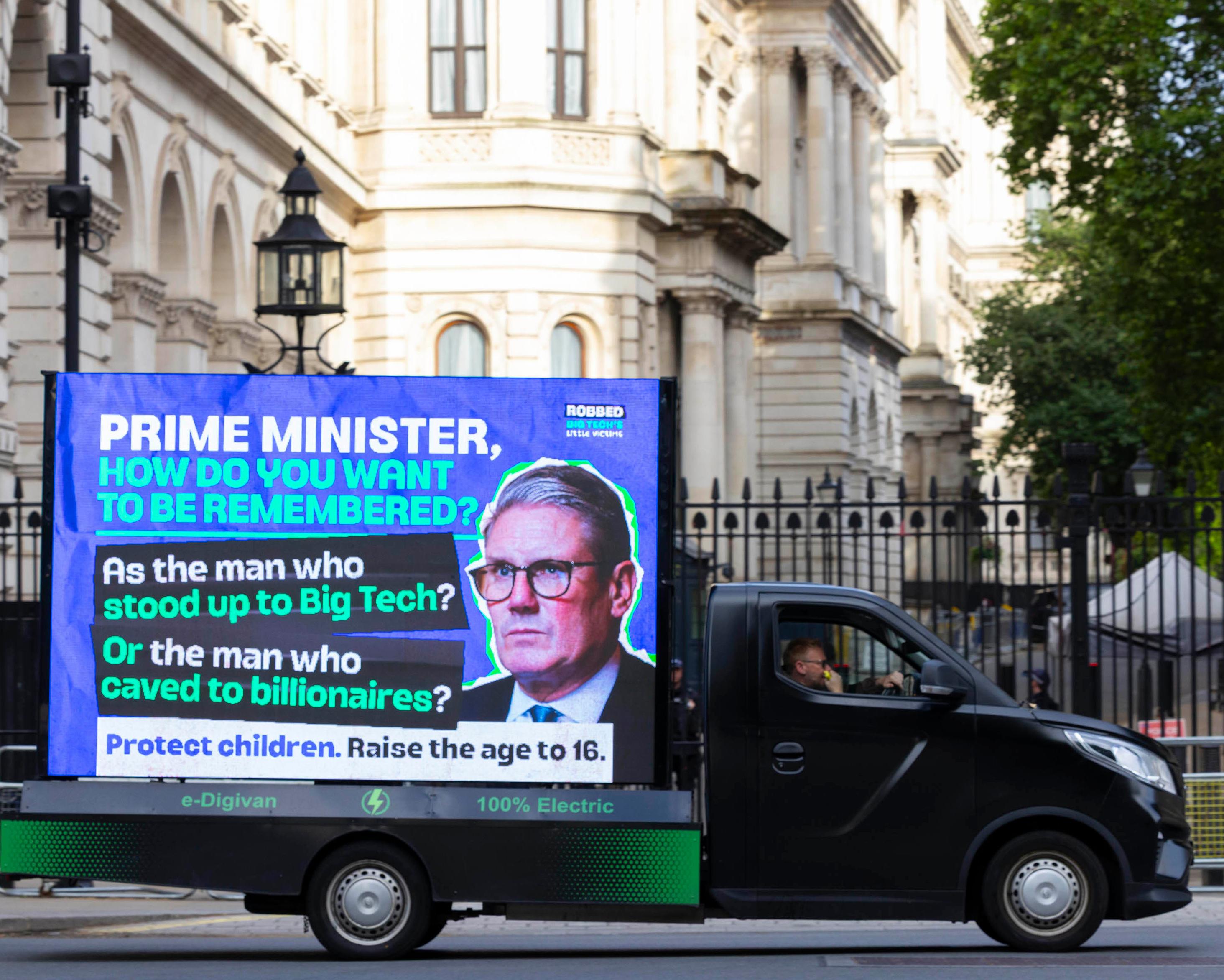
UK Prime Minister Keir Starmer is preparing to announce a comprehensive ban on under-16s accessing high-risk social media applications, with specific platforms to be identified at a later date. The government will also impose restrictions on safe social media platforms for this age group, including prohibitions on disappearing messages, chats with adult strangers, and livestreaming. Additionally, under-18s will be barred from using romantic or sexual AI chatbots.
The announcement follows a government consultation that closed on 2 June and received over 116,000 responses, with nine out of 10 parents supporting an under-16 ban. The government’s response was released less than a fortnight after the consultation closed, a turnaround described by some sources as rushed. A Downing Street source stated the Prime Minister views the action as a gamechanger and not half measures, emphasising the need to protect children from huge tech giants.
Technology Secretary Liz Kendall has been reported to have repeatedly stated she would stand up to global technology companies. Government sources denied reports that the definition of social media was still being debated at the last minute, asserting the policy was properly thought through. However, legal experts, including Mark Jones of Payne Hicks Beach, note that while the speed of the decision is notable, it may not be sufficient grounds for a successful judicial review, which requires proof of irrationality, procedural unfairness, or illegality.
The ban raises significant questions regarding age verification methods, potentially requiring platforms to collect and store more extensive user data, which could impact privacy. In Australia, an existing under-16 ban applies to any service allowing social interaction between two or more users where material can be posted, covering apps such as TikTok, YouTube, Snapchat, X, Instagram, and Facebook.
Sources close to the pro-ban camp expressed cautious optimism about the announcement but questioned whether the government had the stomach for a fight against big tech, including Google-owned YouTube. Critics argue that simply stating sites have tools to keep children safe is insufficient given research suggesting these platforms are addictive and harmful to young users.