Starmer resigns as UK prime minister; Burnham poised to lead Labour transition
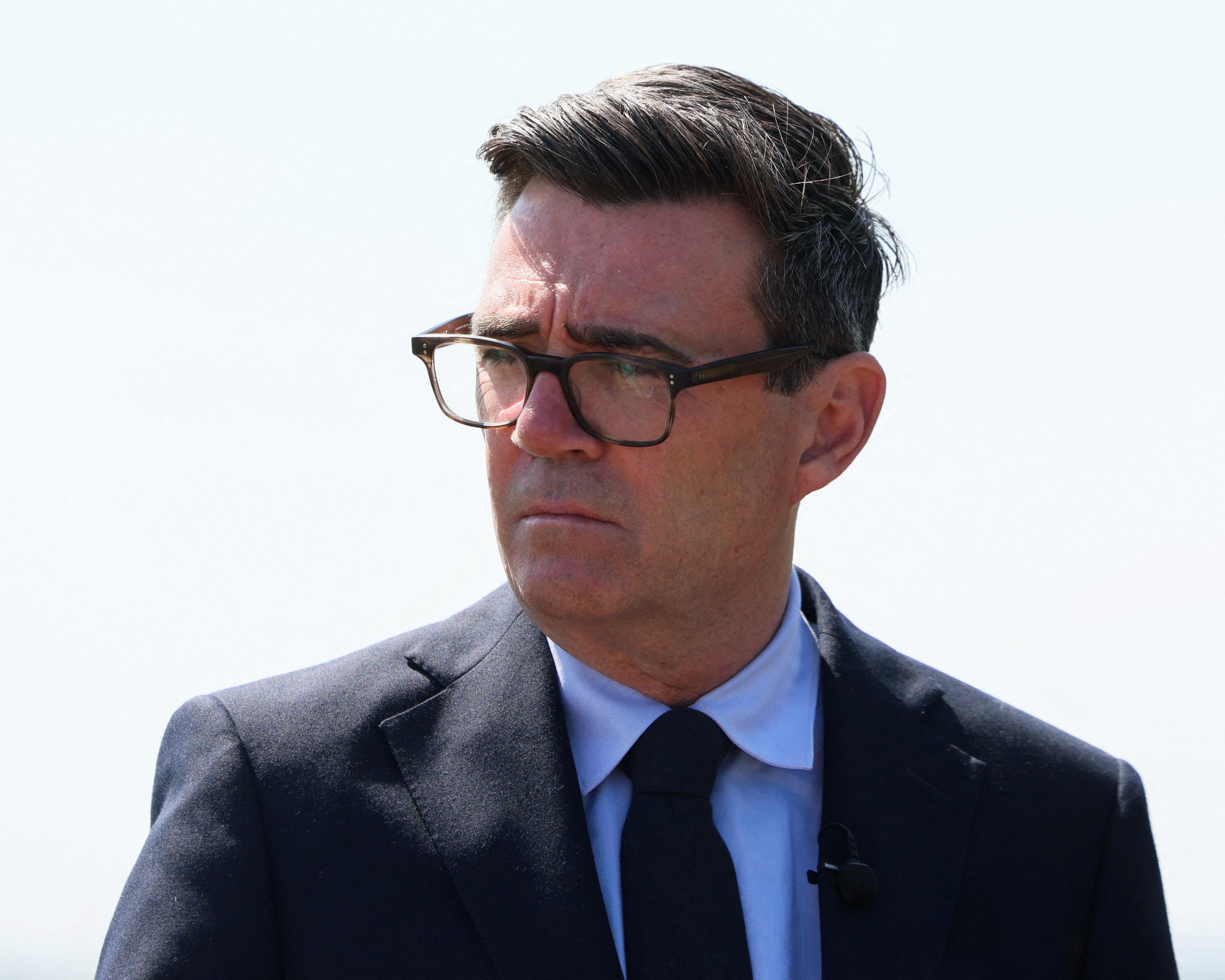
Andy Burnham, Mayor of Greater Manchester, is widely tipped to succeed Keir Starmer following the Prime Minister’s announcement of resignation on Monday.
Keir Starmer has formally announced his resignation as Prime Minister of the United Kingdom, effective immediately following his statement on Monday. The departure concludes a tenure marked by a landslide 2024 general election victory followed by mounting pressure from Labour MPs and declining public support. Starmer cited the need for a new direction as the party faces electoral setbacks against the Reform UK party and internal criticism over policy missteps.
Andy Burnham, the Mayor of Greater Manchester, is widely expected to succeed Starmer as the new Labour leader and Prime Minister. Burnham’s path to the leadership was cleared by his significant victory in the Makerfield byelection, where he defeated the Reform UK candidate by a substantial margin. This result resurrected Labour’s standing in the constituency and demonstrated his capacity to counter populist challenges, positioning him as the party’s preferred candidate to stabilise its support base.
The transition process is scheduled to be completed by mid-July, with Burnham anticipated to form a new government before Parliament reconvenes in early September. Former Health Secretary Wes Streeting has publicly endorsed Burnham, making a formal leadership contest unlikely. This endorsement paves the way for what observers describe as a “coronation” style transition, minimising disruption as the UK prepares for its seventh prime minister in a decade.
Starmer’s time in office was characterised by controversies, including the appointment and subsequent dismissal of Peter Mandelson as Ambassador to the US due to his links to Jeffrey Epstein. Additional friction arose from policy decisions regarding winter fuel subsidies and welfare reforms, which drew criticism from within his own party. Despite entering office with the largest parliamentary majority in 100 years, Starmer struggled to maintain cohesion amid growing unpopularity and electoral losses in municipal elections.
Burnham, associated with the policy framework known as “Manchesterism,” advocates for greater devolution of power to cities and regions. He is also noted as the first practising Catholic expected to become Prime Minister. As he prepares to take office, Burnham faces immediate challenges including funding for the military, welfare system overhaul, and economic management amidst global instability. The next general election must be held by August 2029, though the Prime Minister retains the power to call an earlier vote.