Starmer orders inquiry as UK police face backlash over handcuffing of dying student
Widespread protests erupt following the sentencing of Henry Nowak’s killer and the release of video evidence that has drawn national condemnation.
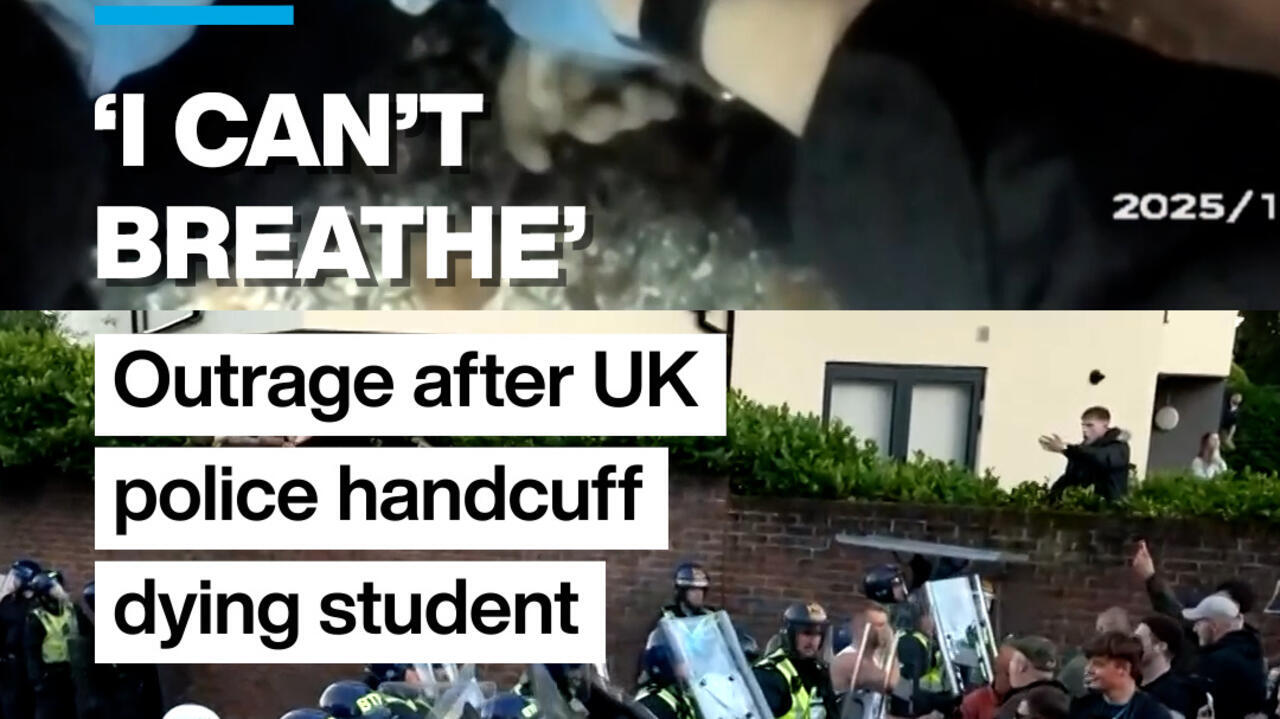
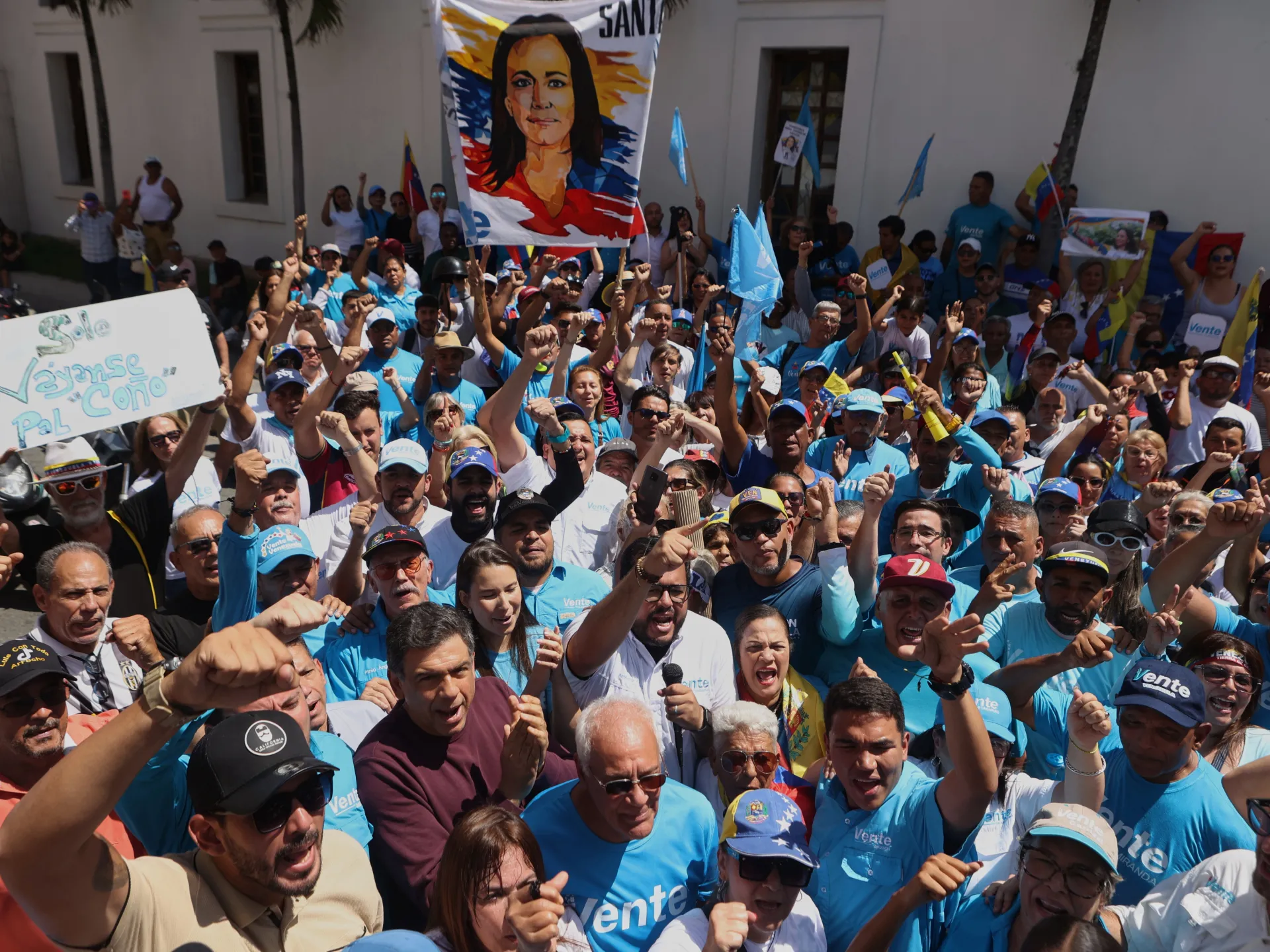
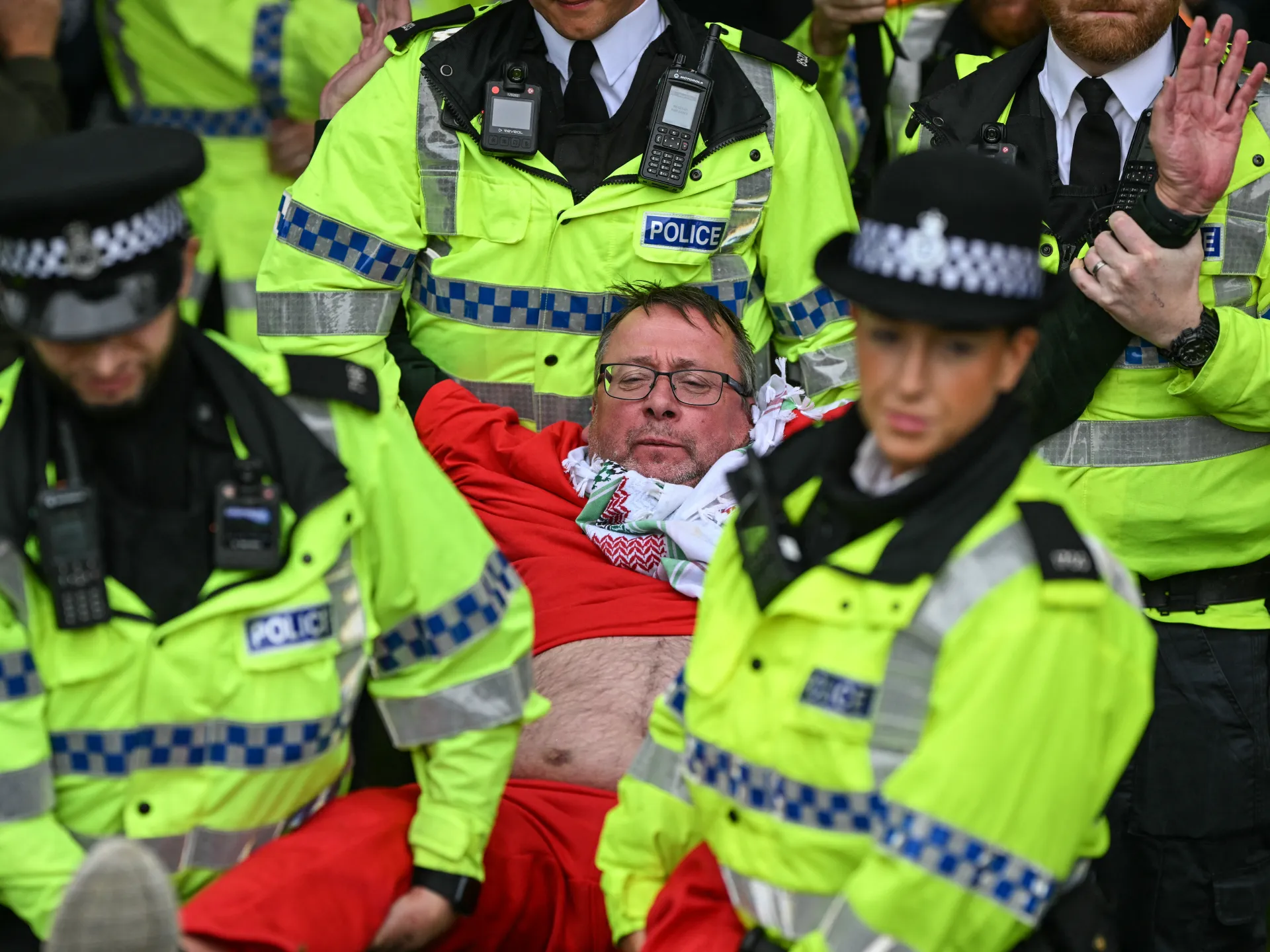
British police are confronting a national crisis of confidence after bodycam footage revealed officers handcuffing 18-year-old student Henry Nowak as he lay dying from stab wounds in December. The incident has triggered widespread protests across the United Kingdom, with public outrage intensifying following the sentencing of Nowak’s killer to life in prison on Monday.
The released video evidence has drawn sharp criticism for depicting responding officers who appeared to disregard Nowak’s claims that he had been stabbed. This dismissal occurred despite the perpetrator having falsely alleged that the attack was motivated by racism. The footage suggests a significant disconnect between the victim’s pleas for help and the police response, fueling accusations of institutional failure.
Prime Minister Keir Starmer has confirmed that an investigation into police conduct will be launched in response to the controversy. Describing the footage as "harrowing," Starmer’s intervention marks a direct governmental acknowledgment of the severity of the situation. The Prime Minister’s statement comes as tensions escalate over the handling of the incident by the officers on the scene.
The case has remained in the public eye since the stabbing occurred in December, but it has gained renewed momentum following the recent judicial proceedings. The combination of the killer’s life sentence and the subsequent release of the video evidence has transformed a local tragedy into a focal point for broader debates regarding policing standards and racial bias in the UK.
Critics argue that the visual record of Nowak being restrained while suffering from fatal injuries undermines trust in law enforcement. The false racist narrative initially propagated by the killer has now been juxtaposed against the stark reality captured on camera, leading to demands for accountability and systemic reform within the police force.
As the investigation proceeds, the government faces pressure to address the specific failures identified in the bodycam footage. The outcome of the inquiry will likely influence future protocols for emergency response and the treatment of victims in critical condition, particularly in cases involving potential hate crimes.
The ongoing unrest reflects a deeper societal concern about the adequacy of police responses to violent crime. With the Prime Minister pledging a formal review, the focus now shifts to determining whether the officers’ actions constituted negligence or a breach of established duty of care.