Starmer Defies Leadership Revolt With Ambitious Policy Agenda
Over 80 MPs have called for resignation following local election losses, but Starmer uses King’s Speech to outline plans for EU ties and nationalisation.
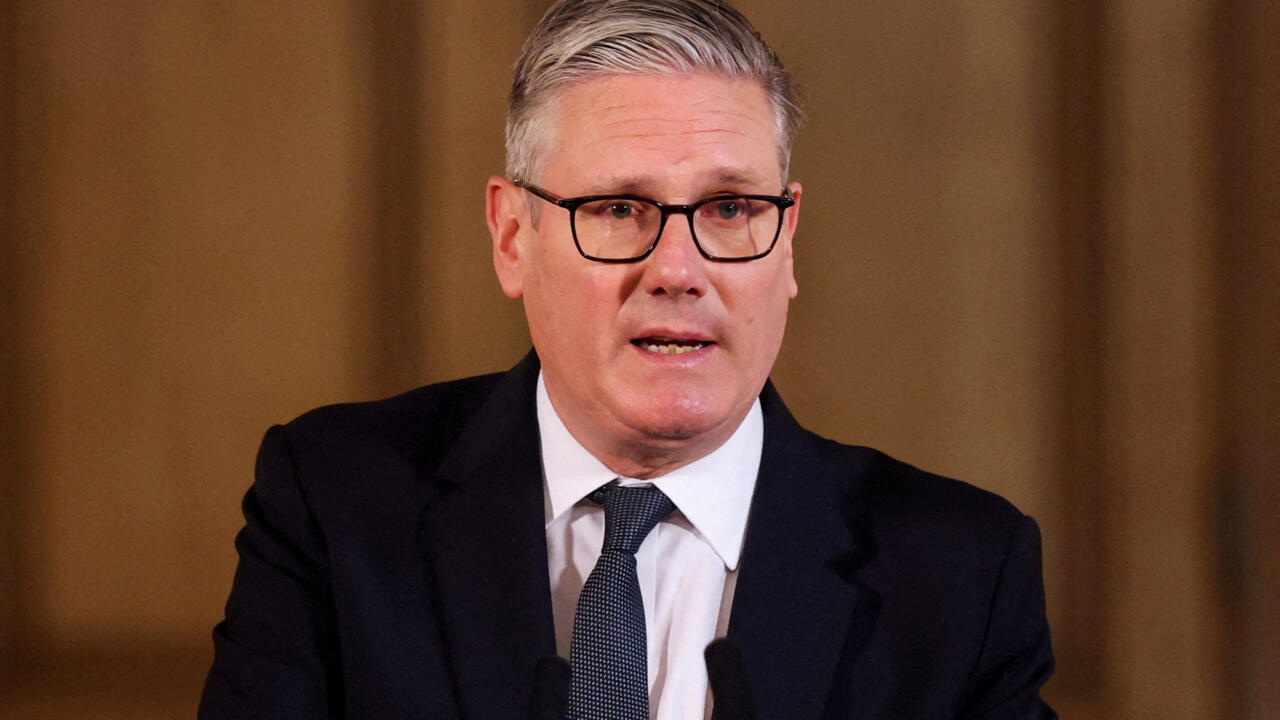
British Prime Minister Keir Starmer is confronting a severe leadership crisis within the Labour Party, with more than 80 members of his own caucus calling for his resignation. The internal revolt follows crushing losses in recent local elections and polling data that identifies Starmer as the most unpopular British Prime Minister in history. Despite the mounting pressure, the Prime Minister has refused to step down, choosing instead to utilise the upcoming King’s Speech to advance a bold legislative agenda.
Recent surveys indicate that 70 percent of the British public believes Starmer is performing badly, with only 19 percent holding a positive opinion of his premiership. This sentiment has permeated public discourse, with football stadiums echoing chants insulting the leader and focus groups describing him using terms such as “doormat” and “jellyfish”. The latter reference alludes to a 2023 op-ed by former political rival Michael Gove, who characterised Starmer as transparent and spineless.
The dissent within the party was highlighted by the resignation of Cabinet minister Jess Phillips, who accused Starmer of stalling on critical technology solutions to prevent online child sex abuse. Phillips described the government’s approach as “incremental change” lacking boldness. She noted in her resignation letter that while Starmer is fundamentally a good man, his measured leadership style has become a political handicap in an era defined by polarisation.
Voter disillusionment extends beyond Westminster, with 29 percent of former Labour voters who have defected since the 2024 election citing unmet promises on the cost of living and lack of progress as key reasons for their departure. Critics argue that despite a landslide victory two years ago, the government has failed to deliver tangible improvements in public services, with healthcare waiting lists remaining above pre-pandemic levels and local governments under-resourced.
In response to the crisis, Starmer is using the King’s Speech to outline an ambitious programme aimed at making Britain “stronger and fairer”. Proposed policies include deepening Britain’s relationship with the European Union, fully nationalising British Steel, reforming the asylum system, lowering the voting age to 16, and cracking down on ticket touts. Starmer vowed to move with “greater urgency” on these issues, attempting to reframe the narrative ahead of the parliamentary opening.
Political analysts suggest that Starmer’s refusal to resign may be a strategic move to secure his policy legacy before any potential leadership contest. However, experts warn that the economic outlook remains bleak, with high inflation and exposure to global energy shocks complicating governance. Some commentators argue that Starmer has become “toxic” to the party’s electoral prospects, potentially handing the premiership to Reform UK leader Nigel Farage if he remains in charge.
Despite the severity of the challenge, Starmer maintains that his government will deliver on its pledges. The success of this strategy remains uncertain, as any successor would likely face similar structural headwinds, including the lingering effects of Brexit and the pandemic. The coming months will test whether Starmer’s policy pivot can restore public confidence or if the internal revolt will ultimately force his departure.