Starmer appoints Brown and Harman as advisers amid pressure to resign
Downing Street moves to ease speculation on leadership transition after Labour suffers significant losses in England, Wales, and Scotland
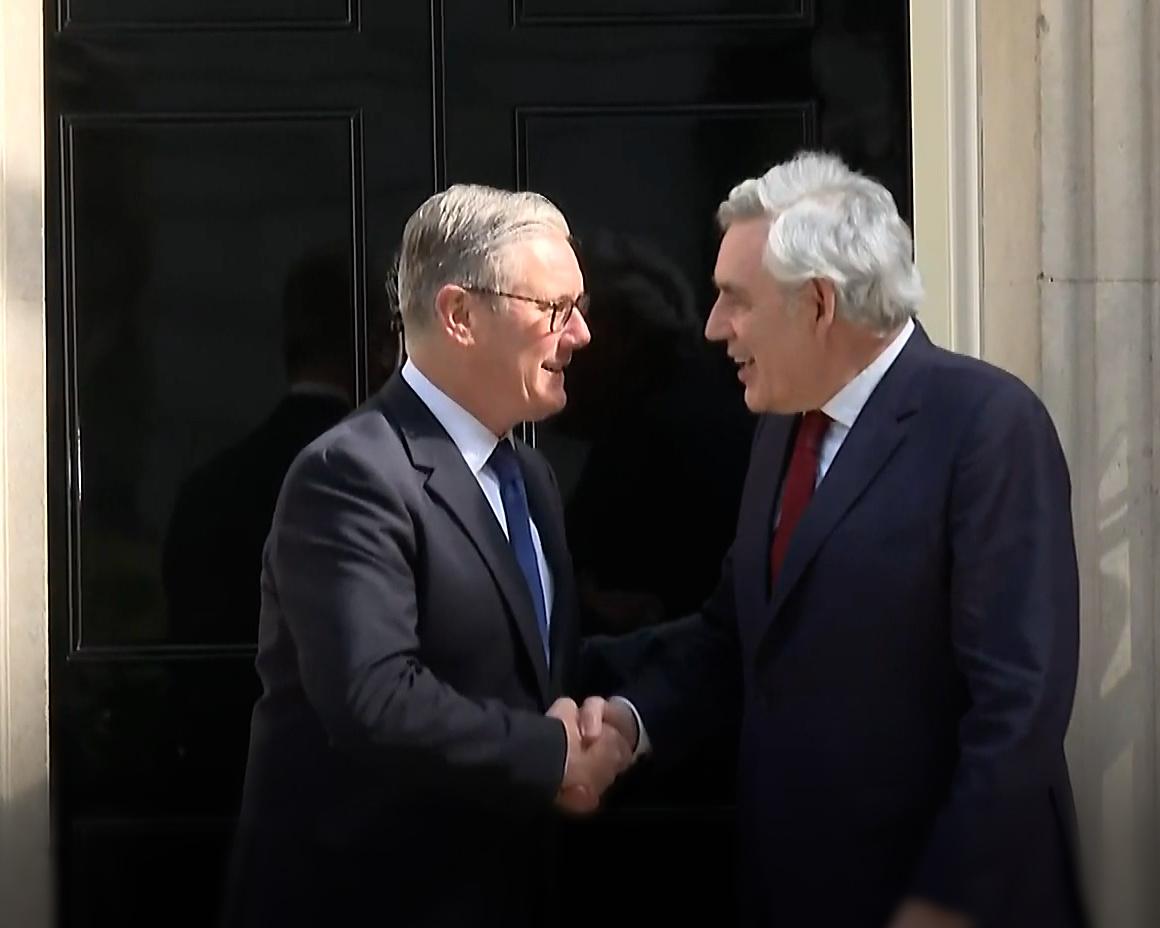
Prime Minister Keir Starmer has appointed former Prime Minister Gordon Brown as his envoy on global finance and Harriet Harman as his adviser on women and girls. The appointments, which are part-time and unpaid, are designed to ease mounting pressure on the Prime Minister to resign following Labour's disastrous election results.
The new roles were announced as part of a broader effort to stabilise the government's position after significant losses in England, Wales, and Scotland. Labour shed more than 1,400 councillors across England to Reform UK and the Greens, while the party lost power in Wales for the first time and lost ground in the Scottish parliament.
Gordon Brown has been tasked with developing new international finance partnerships to support defence and security-related investment. His remit specifically aims to underpin the UK's relationship with Europe, aligning with the Prime Minister's expected call for closer ties with the EU in an upcoming speech.
Harriet Harman will advise the Prime Minister on galvanising government action to tackle violence against women and girls. Her role also includes unlocking economic opportunities and improving representation, with a focus on driving an impactful agenda across government departments.
The appointments include deliberate symbolic optics, with Brown pictured alongside Starmer at Downing Street. While some Members of Parliament have called for an orderly leadership transition, Deputy Leader Lucy Powell has defended the Prime Minister and urged against setting a timetable for his departure.
MPs Clive Betts and Debbie Abrahams have called for Starmer to set a date for leadership transition, with Abrahams suggesting it could be a matter of months. Tony Vaughan has also called for an orderly leadership transition well before next year's local elections. Powell argued that setting a timetable would distract from the party's work and fuel incessant speculation about the Prime Minister's position.
Deep scepticism remains among Labour members regarding Starmer's ability to reverse the party's fortunes, with a Compass poll showing 51 per cent of members do not believe he can defeat Reform UK. The extent to which these advisory roles will successfully mitigate the pressure for Starmer to resign remains unproven.