Starbucks South Korea chairman issues second apology over 'Tank Day' controversy
The chairman of the local majority owner of Starbucks in South Korea has issued a second public apology following sustained backlash over a promotional campaign interpreted as referencing a historical military crackdown.
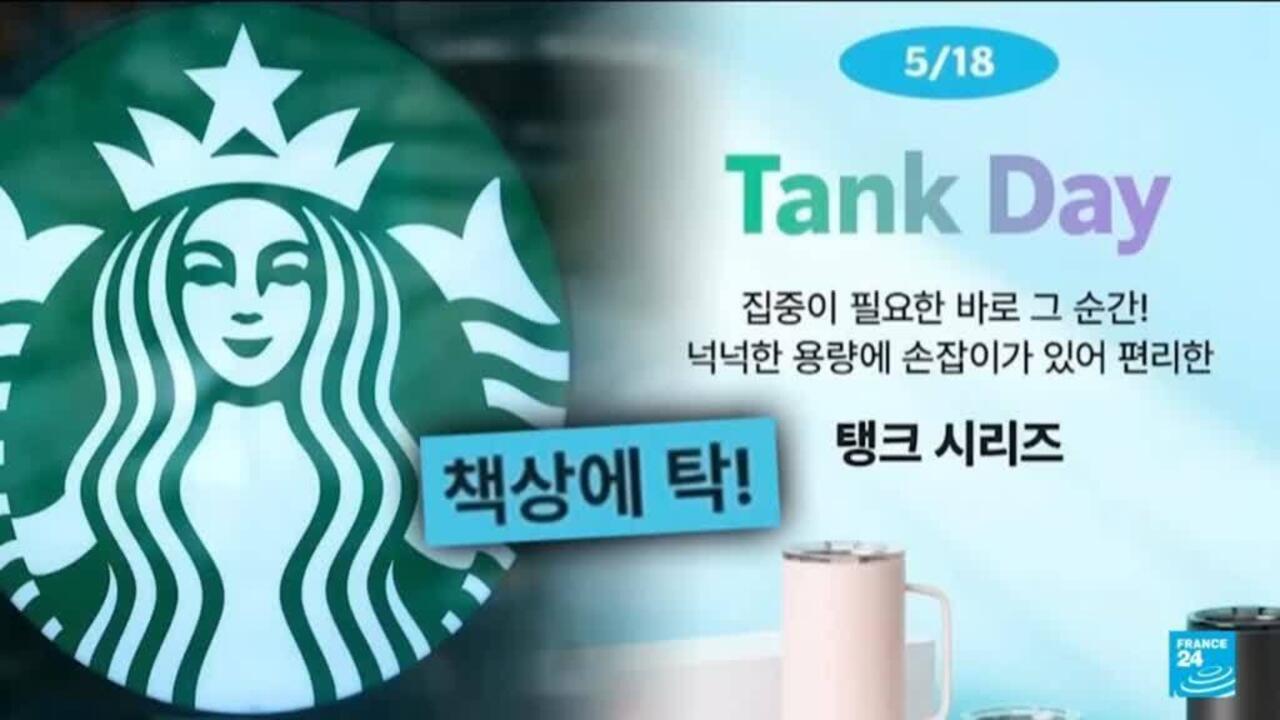
The chairman of the local corporate majority owner of Starbucks in South Korea has issued a second public apology, marking a significant escalation in the governance response to a controversial promotional campaign. The apology follows sustained public outrage regarding a "Tank Day" promotion launched earlier this month, which has drawn sharp criticism for its perceived insensitivity to South Korea’s political history.
The campaign was quickly scrapped and withdrawn shortly after its launch, but the removal of the promotion has not quelled public furor. According to the source, the incident has become a persistent scandal for the coffee chain in the region, highlighting the challenges multinational corporations face in navigating local historical sensitivities.
Many South Koreans interpreted the name "Tank Day" as a direct reference to a deadly crackdown by the country's military dictatorship on pro-democracy protesters. The source material indicates that this historical event, described in the body text as a 1980 crackdown, resulted in the deaths of hundreds of protesters.
The discrepancy between the original headline, which referenced a 1987 massacre, and the body text, which cites a 1980 crackdown, underscores the complexity of the historical references involved. Despite the campaign's removal, the persistence of the backlash suggests that the initial communication strategy failed to adequately address the gravity of the perceived historical violation.
The requirement for a second apology indicates that the initial response was deemed insufficient by the public and potentially by the board of the local majority owner. This ongoing controversy places the corporate leadership under continued scrutiny as they attempt to manage the reputational damage and restore trust with the South Korean consumer base.