Stanford study reveals Apple Watch calorie tracking deviates by up to 93 per cent from medical standards
A 2024 investigation by the Stanford University School of Medicine found that while heart rate monitoring is reliable, calorie counting on devices like the Apple Watch Series 11 remains an estimate rather than a precise measurement.
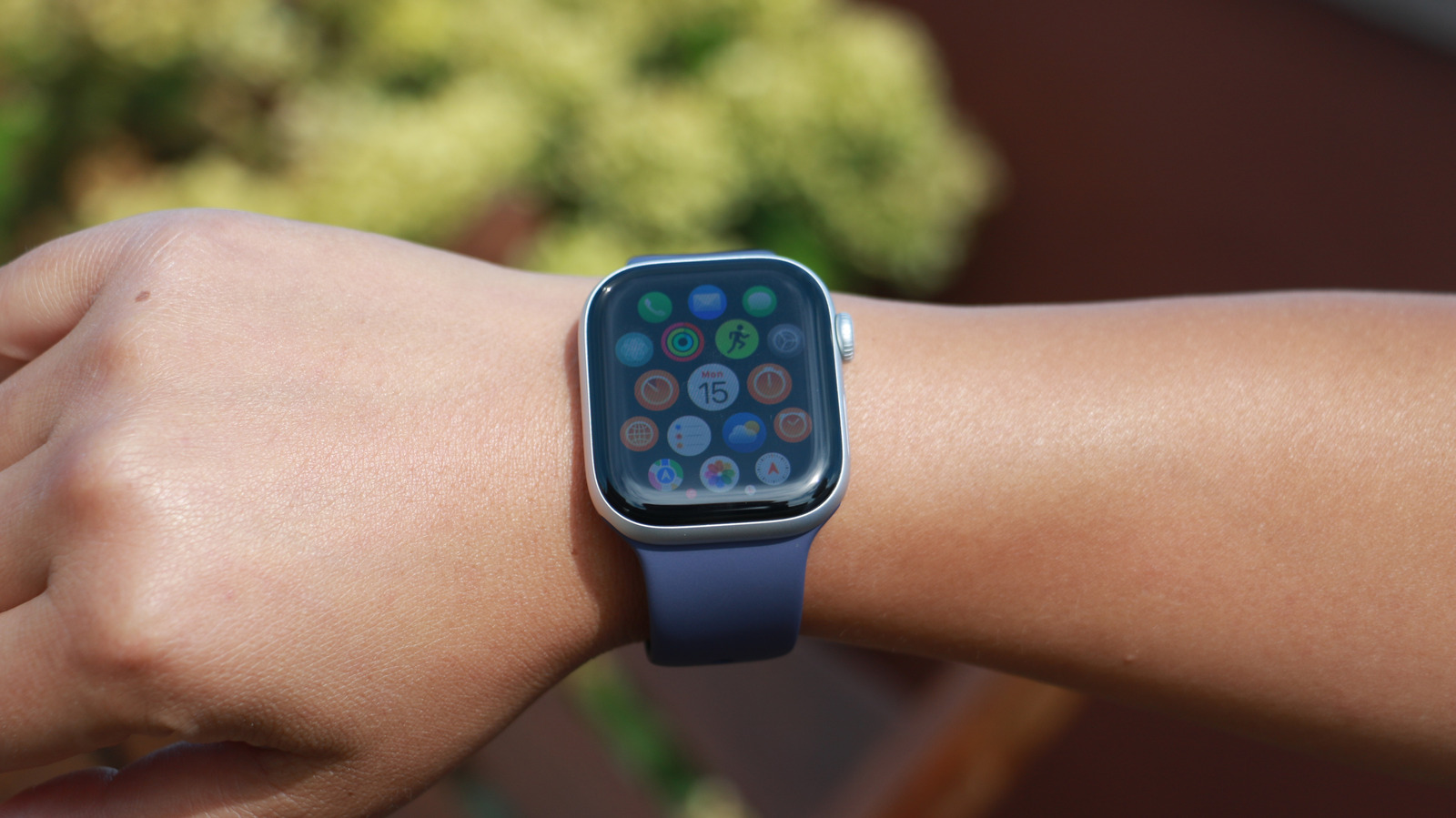
Research conducted by the Stanford University School of Medicine has cast doubt on the reliability of calorie tracking data provided by leading smartwatches, including the Apple Watch Series 11. The 2024 study, published in the Journal of Personalized Medicine, found that while wrist-based devices accurately monitored heart rate, their ability to measure energy expenditure was significantly flawed, with some devices deviating by as much as 93 per cent from medical-grade measurements.
The investigation involved 60 volunteers and tested seven different wearables, including the Apple Watch, Fitbit Surge, Microsoft Band, and Samsung Gear S2. Dr Euan Ashley, the senior author of the study, noted that the magnitude of the errors surprised researchers. The most accurate fitness tracker in the trial was off by an average of 27 per cent, while the least reliable device showed the substantial 93 per cent deviation when compared to data gathered from a medical-grade electrocardiograph.
Experts attribute these inaccuracies to the fundamental limitations of wrist-based sensors, which cannot directly measure human metabolism. Instead, devices rely on proxy algorithms that combine data from motion sensors, such as accelerometers and gyroscopes, GPS information, and heart rate readings. These metrics are processed through machine learning models to estimate energy expenditure, a method that introduces variables such as skin tone, moisture levels, fitness levels, height, and weight, which can cause sensor errors to compound.
Anna Shcherbina, an assistant professor involved in the Stanford study, highlighted the difficulty in training algorithms to remain accurate across diverse populations. She explained that energy expenditure varies significantly based on individual physiological factors, making it challenging for a single algorithm to provide precise calorie counts for all users. While providing personal data such as height and weight can improve estimates, the inherent variability of human metabolism means results remain approximations.
Further corroborating these findings, a separate study published in Nature indicated that the use of multiple sensors to estimate burnt calories is problematic due to the potential for compounded errors from individual inputs. The research concluded that factors such as skin tone and moisture levels further impact a wearable's ability to measure energy expenditure accurately. Consequently, while smartwatches are effective at identifying workout types through step cadence and movement speed, their calorie tracking features should be viewed as educated guesses rather than factual data.