Spirit Airlines halts all operations following failed government bailout talks
The airline attributes its collapse to rising oil prices driven by the war in Iran, rejecting a final proposal for taxpayer funding
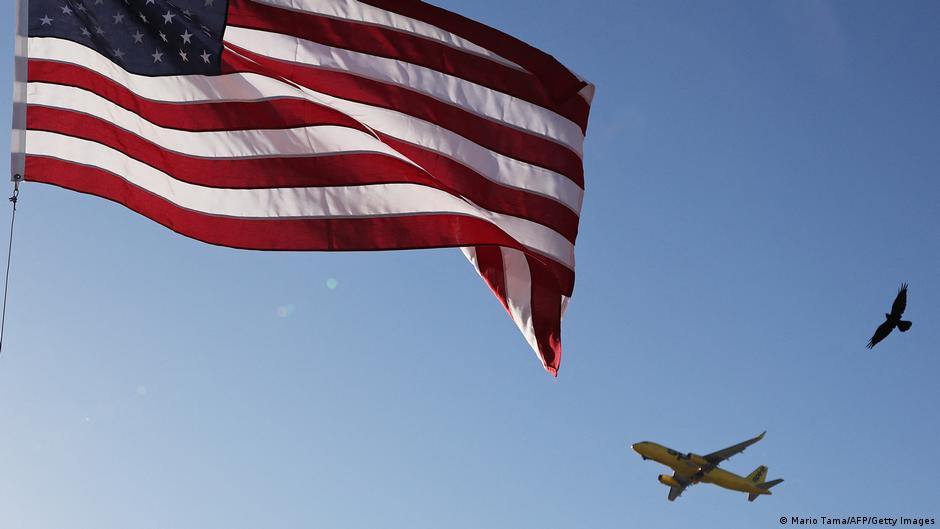
Spirit Airlines has announced the immediate cessation of all flight operations, marking the end of service for the ultra-low-cost carrier after negotiations for a government bailout failed. The company stated it is commencing an orderly wind-down of its business effective immediately, with all flights cancelled and customer service suspended. Passengers are advised to utilise the airline's automatic refunding process to recover funds for their tickets.
The carrier cited rising oil prices, driven by the ongoing war in Iran, as a primary factor impacting its financial outlook. The text notes fuel prices have risen to over $4.50 per gallon by the end of April, a figure significantly higher than the company's 2026 predictions. This surge in operational costs has placed unsustainable pressure on the business model that has defined the airline for 34 years.
Although President Donald Trump had previously floated a proposal involving $500 billion in taxpayer funding in exchange for a government stake in the airline, no agreement was reached. While a final proposal was reportedly offered on Friday, the talks with the Trump administration did not result in an agreement, prompting the carrier to cancel all services effective immediately.
The broader geopolitical context involves the war in Iran, which the airline cites as a driver for soaring fuel costs. Diplomatic efforts regarding the conflict remain stalled, with the US administration expressing dissatisfaction with recent negotiating proposals from Iran. The impasse in these diplomatic channels has directly contributed to the economic pressures forcing Spirit Airlines out of the market.
The specific details of the final proposal offered by the Trump administration on Friday remain unconfirmed officially, relying on US media reports. The exact timeline for the orderly wind-down of operations is not specified beyond the immediate cancellation of flights, leaving the full scope of the company's exit uncertain.
In a separate development involving the Trump administration's nominees, the US Justice Department has recently closed a criminal probe into Federal Reserve Chair Jerome Powell regarding cost overruns on headquarters renovations. This decision removes a legal obstacle to the confirmation of Kevin Warsh, President Donald Trump's nominee for head of the central bank, though it stands unrelated to the airline's collapse.