Spirit Airlines Commences Immediate Wind-Down Following Failed White House Bailout
The collapse marks the first liquidation of a US carrier of this magnitude in two decades after a proposed $500m rescue package from the Trump administration failed to secure agreement.
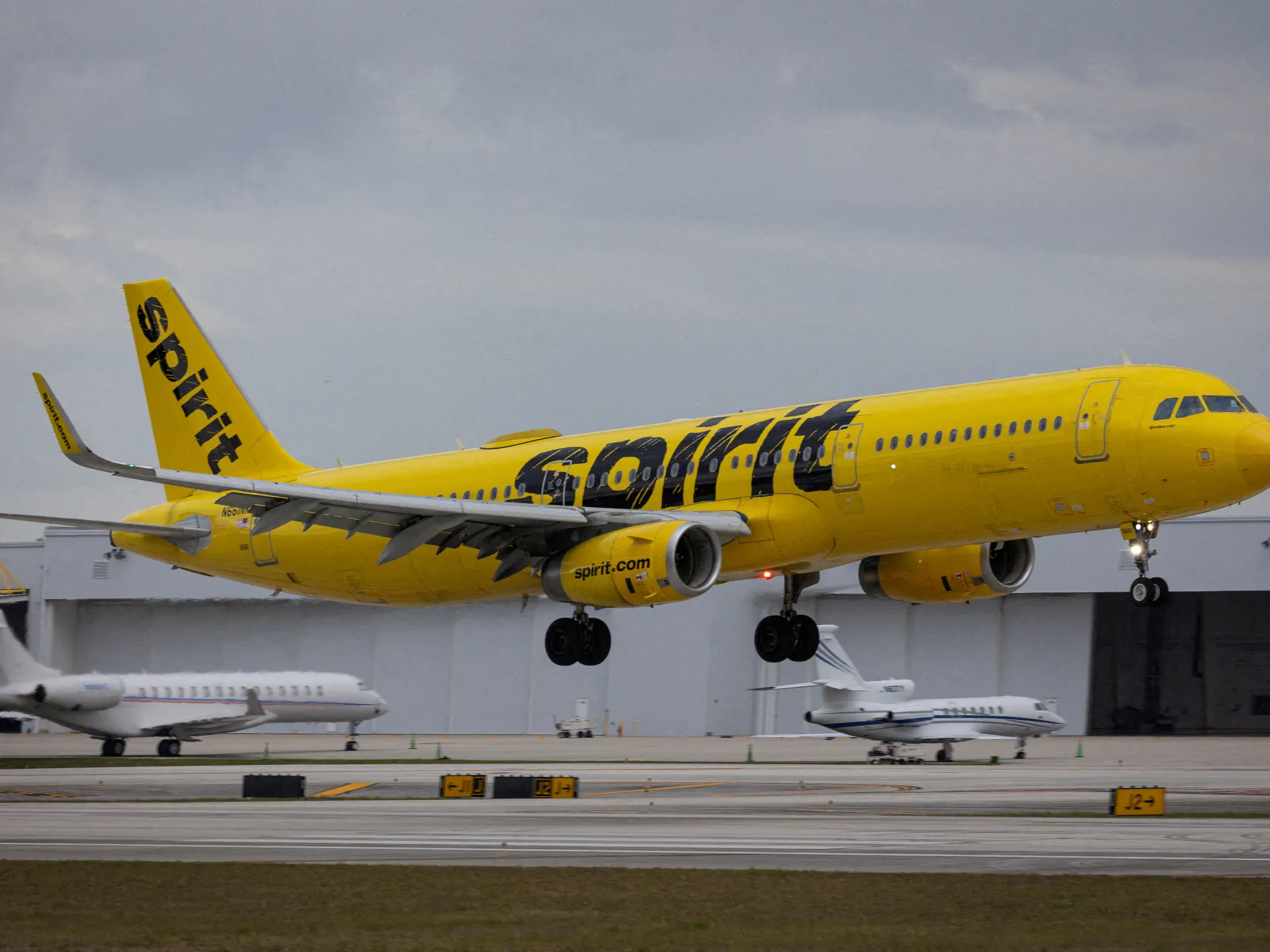
Spirit Aviation Holdings Inc., the parent company of the US budget carrier Spirit Airlines, has announced an immediate and orderly wind-down of all operations. In a statement released in the early hours of Saturday, the airline confirmed that all scheduled flights have been cancelled and advised guests not to proceed to the airport. This decision follows the failure of a final rescue proposal put forward by the White House, which effectively leaves the carrier without a path to emerge from its second bankruptcy.
The primary catalyst for this collapse is a sharp increase in jet fuel prices driven by the ongoing war in Iran. While Spirit's restructuring plan had assumed costs of approximately $2.24 per gallon in 2026, prices surged to roughly $4.51 per gallon by the end of April. This doubling of fuel costs significantly impacted the airline's financial outlook, rendering its previous bankruptcy exit plans unviable and forcing a cessation of service.
The failure of the proposed $500 million rescue package leaves thousands of jobs at risk and represents a significant blow to President Donald Trump's administration. Although the President stated that the White House had offered a final financing package to help the airline survive, negotiations with the Spirit board ended without an agreement. Transportation Secretary Sean Duffy noted that no other carriers were willing to acquire Spirit, leaving the administration with no alternative buyer to facilitate a rescue.
Data from Cirium indicates the scale of the disruption, with Spirit having scheduled 4,119 domestic flights between May 1 and May 15, offering 809,638 seats. The collapse of a carrier that accounted for five percent of US flights at its peak marks the first liquidation of a US airline of this size in two decades. This event underscores how the geopolitical conflict in Iran has exposed the fragility of low-cost carriers dependent on tight cost projections.
Globally, the fuel price shock is forcing similar operational adjustments across the aviation industry. German carrier Lufthansa recently cancelled 20,000 flights to protect against soaring oil costs, while Indian carrier Air India has increased fuel surcharges and cut 100 daily flights. Spirit's demise highlights the broader vulnerability of the sector to external geopolitical pressures that disrupt energy markets.
As the orderly wind-down commences, the focus shifts to the impact on passengers and employees. A creditor close to the deal described the situation as an inability to breathe life into a corpse, suggesting the company should make its intentions clear for the sake of its customers. The incident serves as a stark reminder of the risks inherent in the budget airline model when global energy markets shift unexpectedly.