Spiderwebs and synthetic alternatives emerge as efficient tools for biodiversity monitoring
Researchers in Australia and New Zealand are leveraging the sticky nature of spiderwebs to capture environmental DNA, offering a non-destructive method to track wildlife and detect invasive species.
Counting the creatures in the natural world is critical for conservation efforts, helping scientists gauge biodiversity, track migration, and spot invasive species. However, traditional census-taking often requires humans to tabulate what they see, trap, or otherwise sense. This process can be labour-intensive and costly, and it may still leave gaps in data.
Developments over the last decade have revolutionised eco-surveillance, with biologists tapping into sequencing technology to analyse environmental DNA, or eDNA. This genetic material is shed by living things and can be collected from samples of scat, soil, water, and air. These samples have opened up a new avenue for scientists to monitor endangered species and detect invasive ones before anyone can even lay eyes on them.
More recently, researchers have identified spiderwebs as a highly efficient substrate for collecting eDNA. The naturally sticky material traps bio-detritus such as saliva and pollen from nearby plants and animals, effectively ensnaring the DNA shed by the surrounding ecosystem.
Molecular ecologist Joshua Newton at Curtin University in Perth, Australia, recently compared the biological diversity found in spiderwebs with that found in other sources, including vegetation swabs, water, soil, and a fan outfitted with a filter. The study was conducted near a zoo and wildlife sanctuary outside Perth. While vegetation swabs revealed more forest mammals and water samples identified more fish, no passive tool matched the spiderwebs’ ability to identify vertebrates.
A key challenge with using natural webs is that gathering meaningful data often requires destroying them. In Newton’s study, approximately 40 webs had to be destroyed to collect samples. This approach can conflict with conservation goals, as it involves collecting the home of an organism.
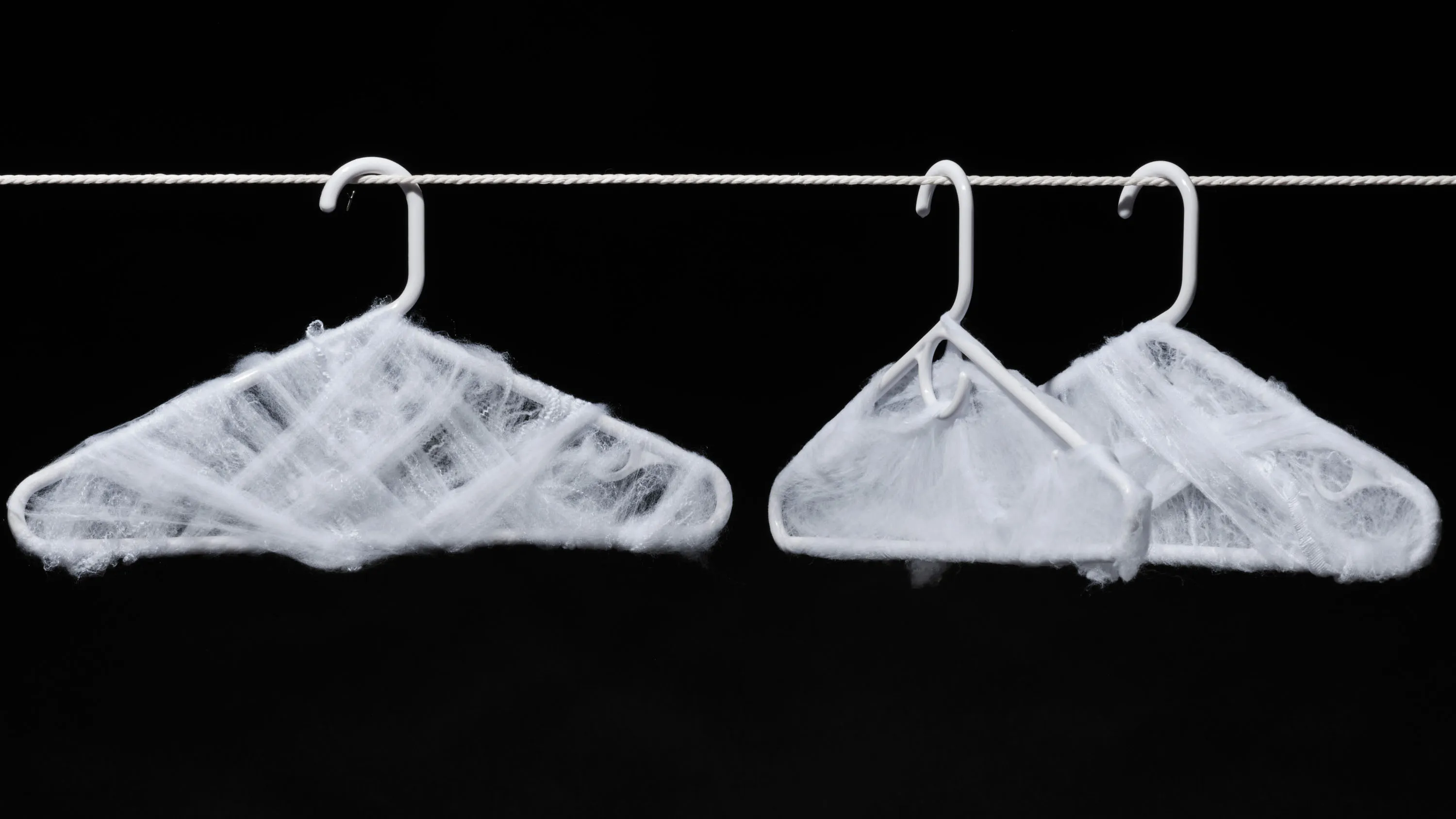
To address this issue, genomicist Angela McGaughran at the University of Waikato in New Zealand developed synthetic webs. By using faux webs from a local Halloween store and wrapping them around coat hangers, her team successfully captured eDNA from nearby cows, sheep, and exotic birds at a local aviary. The synthetic material also detected fungal spores more effectively than real webs, which could be beneficial for plant pathologists monitoring agricultural threats.
McGaughran’s group is now developing larger experiments to determine whether these artificial webs can provide a cheap and efficient method for mimicking the DNA-snagging capabilities of spiderwebs in various environments.