Spain’s World Cup Victory Framed as Political Solidarity Amidst Gaza Divide
As Spain defeated Argentina to claim their second World Cup title, the match became a focal point for geopolitical tensions, with observers linking the result to Madrid’s stance on Gaza and Buenos Aires’ diplomatic positioning.
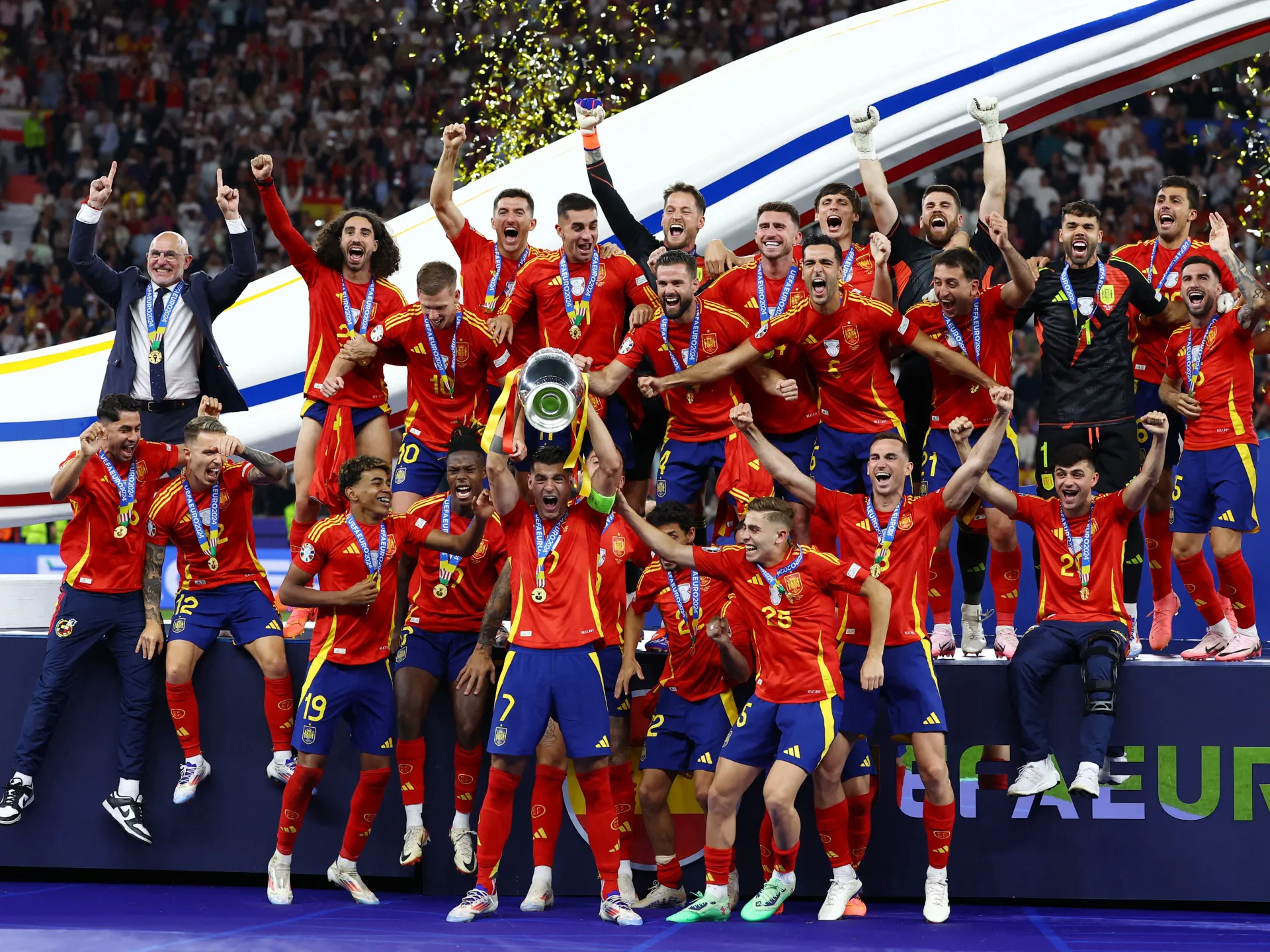
Spain secured their second FIFA World Cup title by defeating Argentina in extra time during the 2026 tournament, co-hosted by the USA, Mexico, and Canada. While the sporting achievement triggered celebrations in Madrid, the victory has been interpreted by many observers as a gesture of solidarity with the Palestinian people. This interpretation stems from the Spanish government’s recognition of the State of Palestine and its imposition of an arms embargo against Israel, a stance that stands in sharp contrast to the political alignments of the opposing nation.
Spanish Prime Minister Pedro Sánchez’s administration has been vocal regarding the conflict in Gaza, with the government explicitly recognising Palestinian statehood and utilising terms such as genocide to describe the situation. This policy framework has led to a perception among some international observers that the national team’s success carries symbolic weight beyond the pitch. The contrast was further highlighted by the actions of Spanish footballer Lamine Yamal, who was noted for waving a Palestinian flag during Barcelona’s La Liga celebrations, a gesture that has been re-contextualised in light of the current geopolitical climate.
On the opposing side, Argentina’s political landscape has drawn scrutiny due to the positions of President Javier Milei. Milei has been described as embracing US President Donald Trump and declaring himself “the most Zionist president in the world.” This alignment has been juxtaposed against the actions of Spanish players and the broader political stance of Madrid, creating a narrative divide for viewers who view global events through the lens of the Gaza conflict. The juxtaposition of symbols, including past images of Lionel Messi at the Western Wall and Yamal’s flag-waving, has intensified the political resonance of the final.
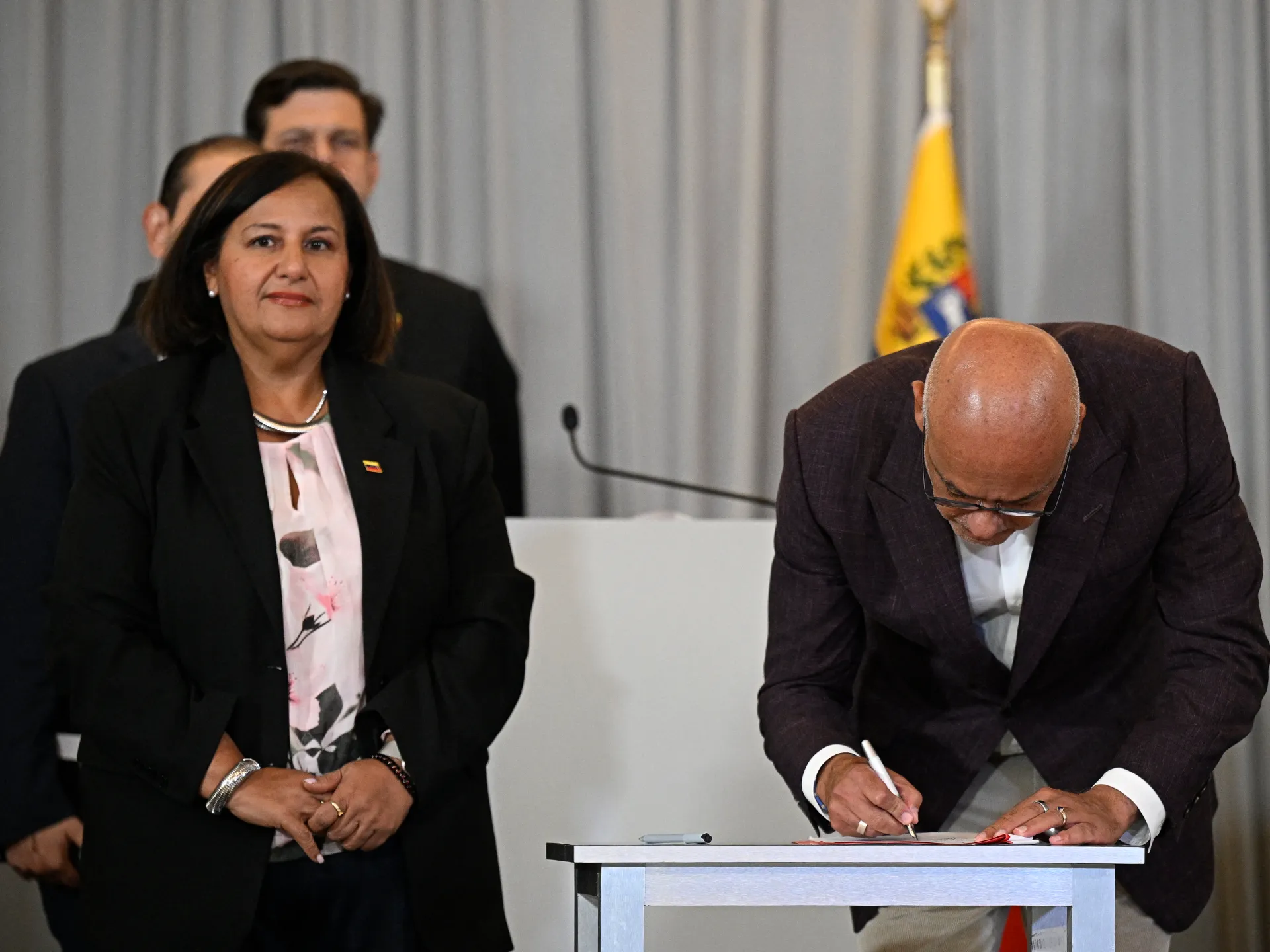
The political divergence between the two nations is also reflected in their voting records on international justice issues. In March, the United Nations General Assembly adopted a resolution on reparatory justice for the transatlantic trafficking and enslavement of Africans. While 123 countries voted in favour, only three nations voted against it: the United States, Israel, and Argentina. This alignment places Argentina in a distinct diplomatic position compared to Spain, which has pledged aid to other regions such as Venezuela following recent earthquakes, alongside the US and China.
Public engagement in the host nation, the United States, remained relatively low, with polls indicating that half of Americans were indifferent to the tournament, partly due to high ticket prices and concurrent interest in the NBA Finals. Despite the lack of local fervour, the final provided a high-profile platform for political expression. Spain’s manager, De la Fuente, noted that the match could have been decided earlier, citing Argentina’s goalkeeper Martinez’s interventions, but the outcome has cemented Spain’s status as a global football power while simultaneously embedding the team within a complex web of international policy and moral positioning.